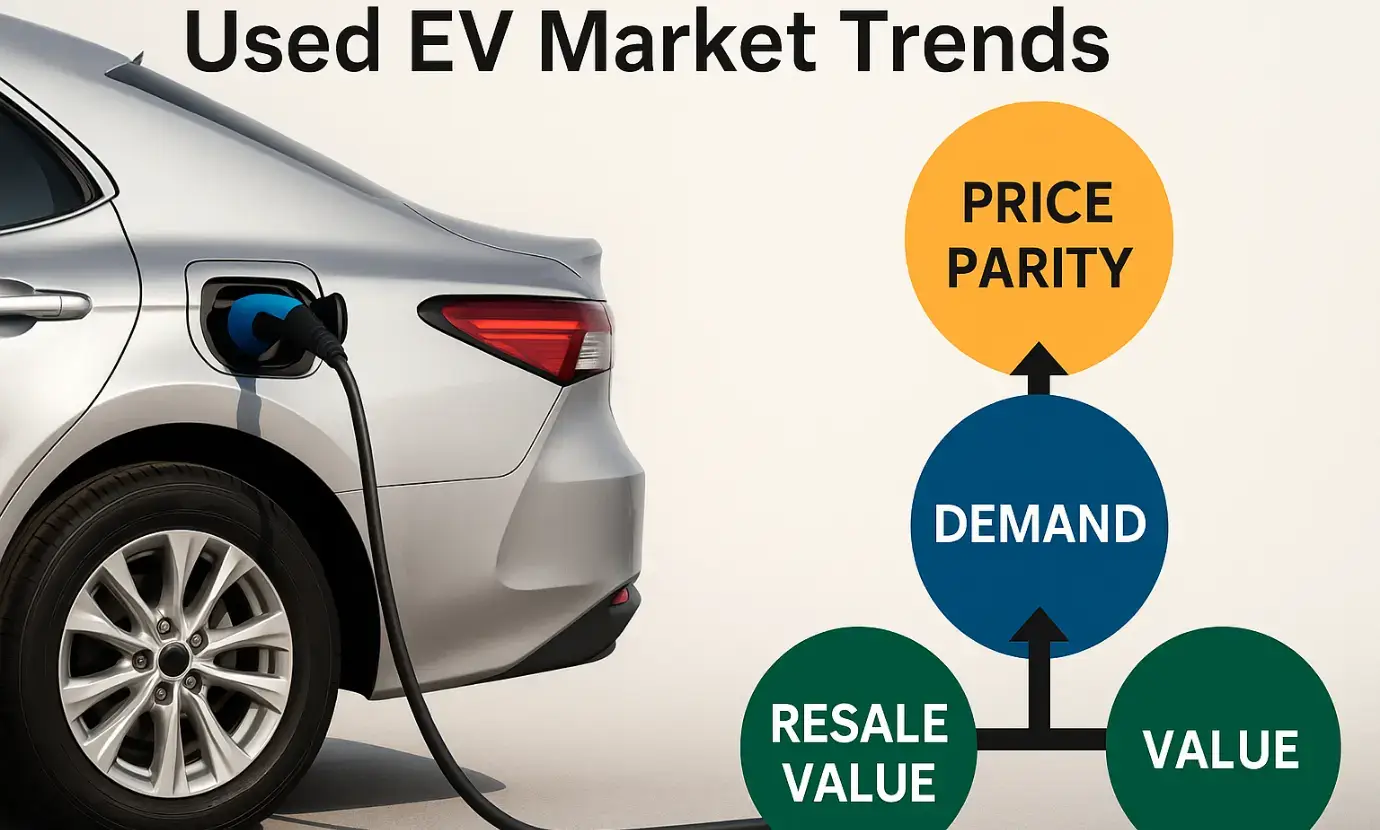
The electric vehicle (EV) revolution is no longer just about shiny new Teslas or futuristic models from automakers like BYD, Hyundai, or Volkswagen. In 2025, the used EV market is emerging as one of the most critical segments of the global automotive industry.
As more early adopters trade in their first- or second-generation EVs, and as leasing programs mature, a larger supply of used electric cars is hitting dealerships and online platforms. For many consumers, especially budget-conscious buyers, this secondary market represents the most realistic way to switch from gasoline to electric. But questions around price parity, demand, and resale value still shape how quickly this shift will accelerate.
Price Parity: Are Used EVs Catching Up With Gasoline Cars?
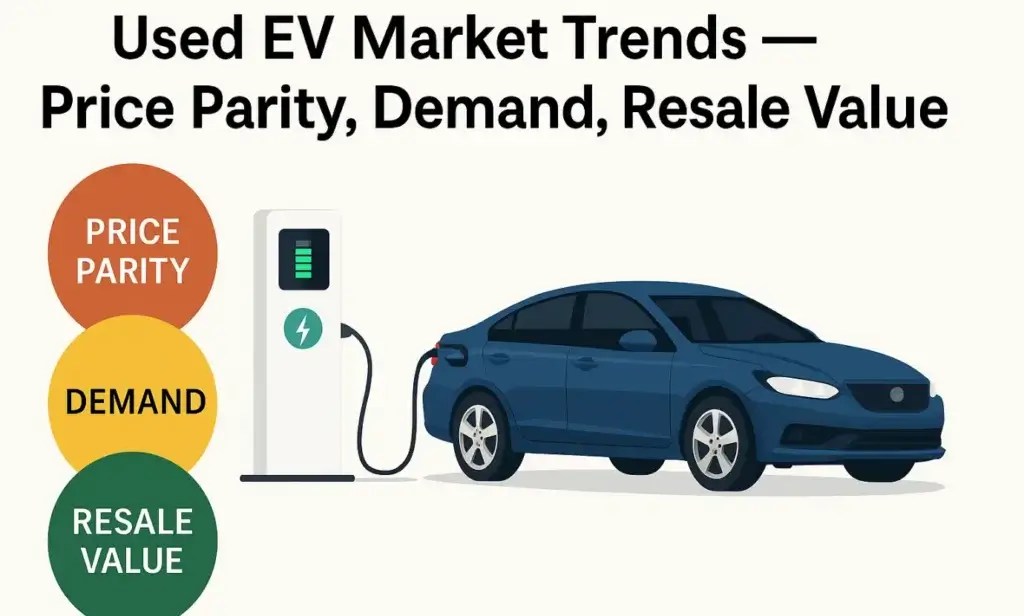
One of the most talked-about issues in the used EV market is price parity—the point at which electric vehicles cost the same as their gasoline-powered counterparts.
- Battery Costs: The cost of EV batteries has dropped significantly in the past decade, making new EVs more affordable and used EVs even more competitive. BloombergNEF projects battery pack costs could fall below $100/kWh within a few years, pushing used prices down further.
- Depreciation: Traditionally, EVs depreciated faster than gasoline cars due to concerns over battery life. However, improved battery warranties (often 8 years or 100,000 miles) and better technology are slowing depreciation rates.
- Government Incentives: In some regions, incentives also apply to used EVs. For example, the U.S. Inflation Reduction Act offers up to $4,000 tax credit on eligible used EV purchases, helping close the price gap.
Key Takeaway: In many markets, used EVs are approaching price parity with mid-range gasoline cars, making them a more attractive option for first-time EV buyers.
Demand: Why More Consumers Want Used EVs?
The demand for used electric cars is being fueled by multiple trends:
1. Environmental Concerns
With growing awareness of climate change, consumers see EVs—new or used—as a way to cut carbon emissions and reduce reliance on fossil fuels.
2. Affordability Factor
Not everyone can afford a brand-new EV. The used market provides an accessible entry point for middle-income households.
3. Government Incentives
- United States: Tax credits for used EVs are boosting adoption.
- United Kingdom: London’s Ultra Low Emission Zone (ULEZ) charges are making EVs—especially affordable used ones—more appealing.
- Germany & EU: Subsidies and charging infrastructure expansion are driving demand across Europe.
4. Global Outlook
- In China, where EV adoption is highest, a rapidly growing secondary market is giving rise to specialized used EV dealerships and platforms.
- In emerging markets, falling prices of imported used EVs are sparking consumer interest.
Key Insight: Rising demand is not uniform but varies by region depending on incentives, fuel prices, and charging infrastructure.
Resale Value: The Big Question For Used EVs
Resale value remains one of the biggest concerns in the used EV market. Unlike gasoline vehicles, which have predictable depreciation curves, EVs introduce new variables:
- Battery Degradation: A 5–10% loss of capacity over several years is typical, but consumer anxiety around range can drive prices lower.
- Warranty Limits: Buyers feel more confident when the EV is still under manufacturer battery warranty. Once expired, resale value drops significantly.
- Technology Leapfrogging: As new EVs arrive with longer ranges, faster charging, and advanced features, older models can lose appeal faster.
Examples:
- A 2018 Nissan Leaf with limited range may see steep depreciation compared to a Tesla Model 3 with strong software updates and longer battery life.
- In Germany, EVs from brands with strong charging networks (Tesla, VW) maintain higher resale values than niche or discontinued models.
Key Takeaway: EV resale value is stabilizing but still lags behind gasoline cars in some markets due to battery concerns and rapid tech advancements.
Future Outlook: Will Used EVs Become Mainstream?
The used EV market is at a tipping point. Moving forward, three factors will decide whether it achieves mainstream adoption:
- Affordability: As price parity improves, more buyers will choose used EVs over gasoline cars.
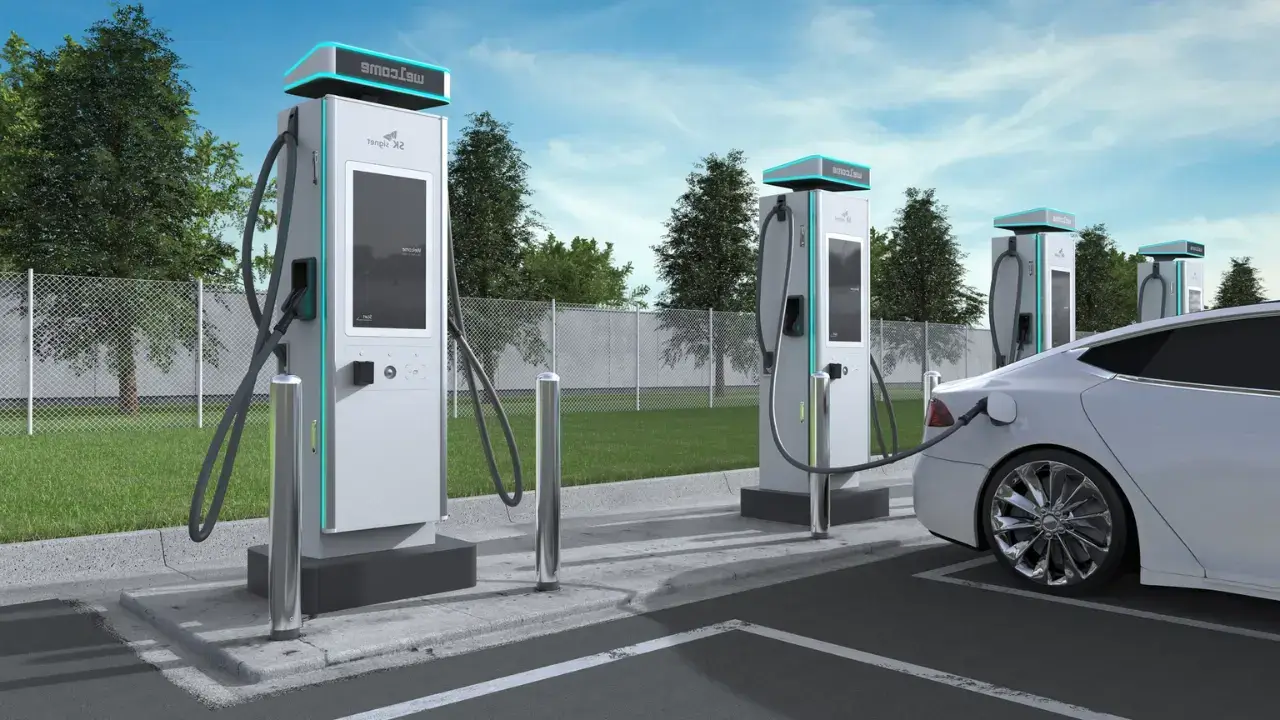
- Charging Infrastructure: Widespread fast-charging networks are essential to boost confidence in older EVs with shorter ranges.
- Consumer Trust: Better transparency on battery health, standard certification systems, and extended warranties will improve resale confidence.
Final Thought
In 2025 and beyond, the used EV market trends suggest steady growth. While challenges remain in EV resale value and technology depreciation, the combination of affordability, government support, and environmental awareness will ensure that used electric cars become a significant part of the automotive landscape.
FAQs About EV Market Trends
Q1: Are used EVs cheaper than gasoline cars?
In many markets, yes—especially when subsidies and tax credits are factored in.
Q2: Do used EVs hold value well?
It depends on the model. EVs with long-range batteries and strong brand support (like Tesla) tend to have higher resale values.
Q3: Is buying a used EV worth it in 2025?
Yes, provided you check the battery health, warranty coverage, and charging compatibility in your region.