The updated Audi e-tron GT starts at approximately £88,605 in the UK and delivers a real-world driving range of roughly 230 to 330 miles depending on conditions.
The Audi e-tron GT is Audi’s electric performance flagship, combining four-door practicality with impressive performance and fast charging. Following its 2024 update, it features a 105kWh battery, up to 320kW rapid charging and a WLTP range of up to 384 miles. It shares its platform with the Porsche Taycan, while offering its own Audi-focused design and technology.
This guide covers the key things UK buyers need to know, including versions, real-world range, charging times, running costs, maintenance and comparisons with the Porsche Taycan, Lotus Emeya and BMW i5.
What Is the Audi e-tron GT?
The Audi e-tron GT is a fully electric, four-door performance saloon that sits above the Q-badged e-tron SUVs as Audi’s dedicated EV sports GT, sharing its platform and battery technology with the Porsche Taycan.
Think of it as Audi’s answer to “what would the R8 look like as an EV, but with room for the family.” It launched in 2020 as a joint engineering project between Audi and Porsche, riding on the J1 platform. In 2024, Audi gave the whole range a substantial update: a bigger, lighter battery, faster charging, more range, and a new S e-tron GT variant slotting in below the RS models.
Key facts:
- Body style: four-door coupé (saloon-like proportions, hatchback boot)
- Drivetrain: dual-motor quattro all-wheel drive (all UK variants)
- Platform: J1, shared with Porsche Taycan
- Battery: 105kWh gross / 97kWh usable, 800V architecture
- On sale in the UK since 2021, with the current generation since summer 2024
Audi e-tron GT UK Price List (2026)
UK prices for the Audi e-tron GT range from around £87,685 for the entry-level quattro to over £142,000 for the range-topping RS e-tron GT Performance:
| Model | Power (PS) | 0–62mph | On-the-road price (from) |
|---|---|---|---|
| e-tron GT quattro | 584 | 4.0 sec | £87,685–£88,555 |
| S e-tron GT | 680 (with launch control) | 3.4 sec | £107,730–£107,825 |
| RS e-tron GT | 856 | 2.8 sec | £126,425 |
| RS e-tron GT Performance | 912–925 | 2.5 sec | £142,925 |
Prices are Audi’s official on-the-road (OTR) figures at the time of writing and include VAT, first-year VED and delivery. They exclude optional extras and Vorsprung trim, which adds a significant premium (entry-level Vorsprung starts at close to £110,000).
A note on trim: Every e-tron GT comes with adaptive air suspension, a glass roof, matrix LED lights and adaptive cruise control as standard. Rear-axle steering and the more sophisticated active suspension, however, are reserved for Vorsprung-spec S and RS models a detail worth knowing before you fall for the base price.
Range: How Far Does It Really Go?
Official WLTP range runs from around 365 miles (RS Performance) to 384 miles (entry-level quattro), but real-world UK driving typically returns 230–330 miles depending on speed, weather and how hard you use the performance.
| Model | WLTP range (official) | Realistic real-world range |
|---|---|---|
| e-tron GT quattro | Up to 384 miles | 260–330 miles |
| S e-tron GT | Up to 367–374 miles | 250–310 miles |
| RS e-tron GT | Up to 365–368 miles | 240–300 miles |
| RS e-tron GT Performance | Up to 365–386 miles | 230–290 miles |
As with any performance EV, motorway driving at 70mph, cold weather, and enthusiastic use of the acceleration will all eat into range faster than the WLTP figure suggests. The e-tron GT does have a standard heat pump and a clever two-speed transmission on the rear axle, both of which help preserve range on long motorway runs something UK drivers doing regular A-road and motorway trips will appreciate.
Battery degradation: based on typical EV battery chemistry, owners can expect roughly 90–95% of original capacity after 3 years and around 84–90% after 8 years of normal use, translating to a modest but manageable drop in usable range over time.
Charging The e-tron GT In The UK

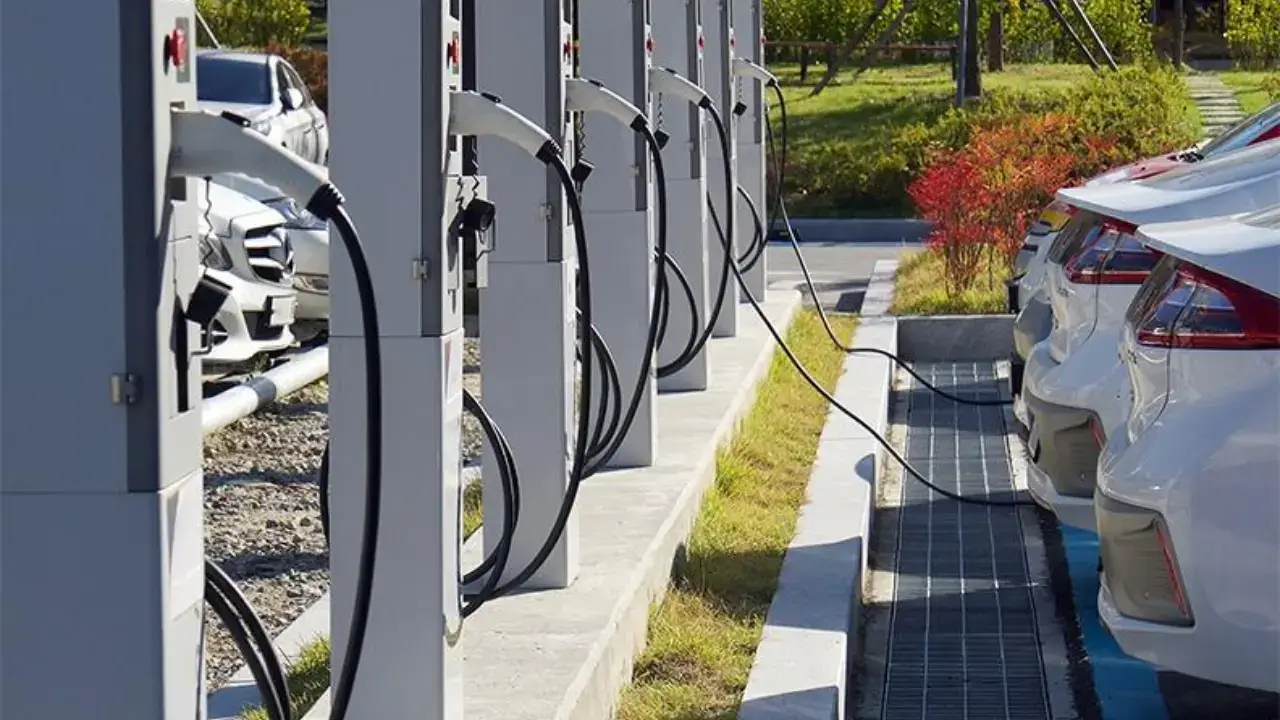
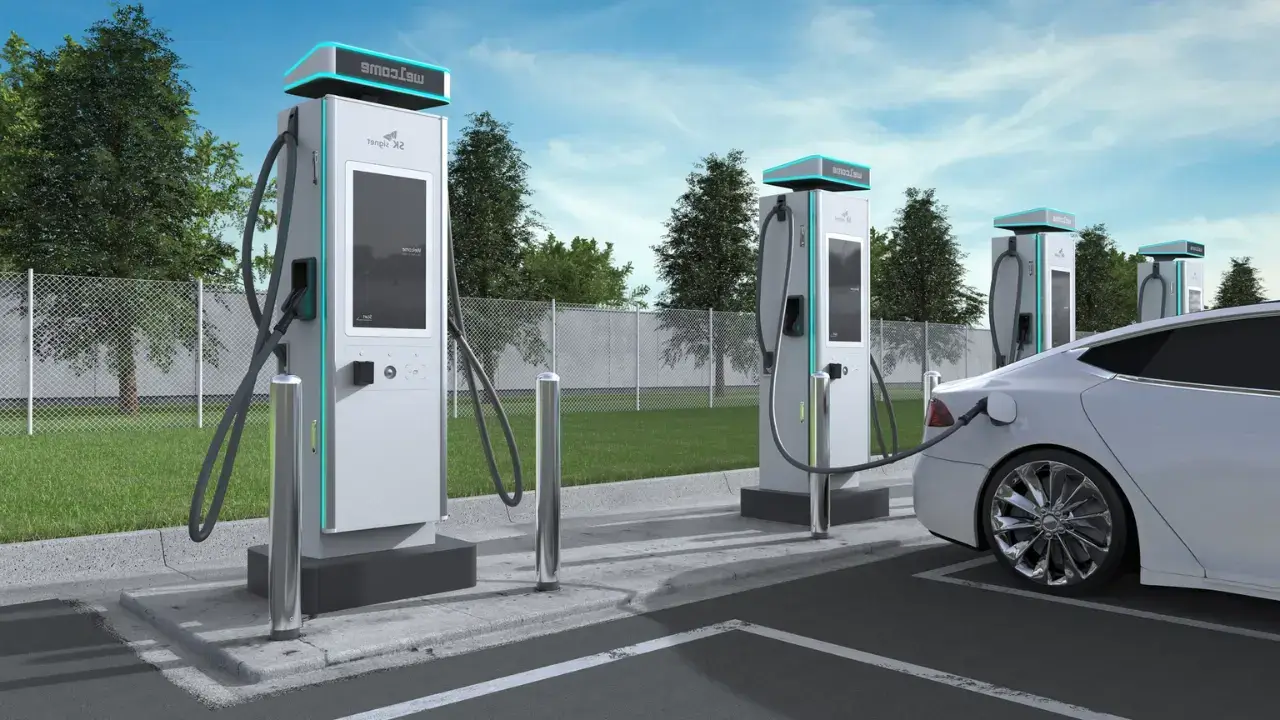
The e-tron GT charges at up to 320kW on a suitable DC rapid charger, taking around 18 minutes to go from 10% to 80%. On a home 7kW wallbox, a full charge takes roughly 14–15 hours overnight.
Charging times at a glance
| Charging method | Power | Approx. time (10–80%) |
|---|---|---|
| Home wallbox (7.4kW AC) | 7.4kW | ~14 hours |
| Public AC charger (11kW) | 11kW | ~9–10 hours |
| Rapid DC charger | Up to 320kW | ~18 minutes |
How it works: Thanks to its 800V electrical architecture (shared with the Taycan), the e-tron GT can accept much higher charging power than most rivals on lower-voltage 400V systems. There are two charge ports, one on each front wing but only the left-hand port supports rapid DC charging via CCS, so it’s worth knowing which side to reverse into at a service station.
Practical tip: For UK owners without a driveway, look for local rapid charging hubs (Ionity, Instavolt, GRIDSERVE) that can deliver near the e-tron GT’s maximum charge rate many public 50kW chargers will only unlock a fraction of the car’s potential.
Performance And Driving Experience

Every e-tron GT is genuinely fast even the “entry-level” quattro hits 62mph in around 4.0 seconds, while the RS e-tron GT Performance does it in 2.5 seconds, rivalling supercar acceleration.
Despite sharing so much with the Taycan, the e-tron GT has its own character. It’s tuned to be a little more comfort-focused and relaxed at a cruise, while still delivering searing in-gear acceleration when needed.
UK road testers consistently describe it as one of the most usable performance EVs for everyday driving refined, quiet, and comfortable on longer journeys, without feeling blunt when you want to have fun.
Standard equipment includes:
- Adaptive air suspension across the range
- Matrix LED headlights
- Digital cockpit and MMI touchscreen infotainment
- Adaptive cruise control
- Heat pump as standard
Running Costs And Company Car Tax
As a fully electric vehicle, the e-tron GT qualifies for the lowest Benefit-in-Kind (BiK) company car tax band in the UK, currently around 3–4%, making it significantly cheaper to run as a company car than an equivalent petrol performance saloon.
Key cost considerations for UK owners:
- Home charging: Charging overnight on a typical domestic electricity tariff is far cheaper per mile than public rapid charging.
- Public rapid charging: Costs considerably more per kWh than home charging, so frequent long-distance drivers should budget accordingly.
- VED (road tax): Electric vehicles are no longer fully exempt from VED, and cars over the luxury car price threshold attract an additional supplement for several years the e-tron GT’s price puts every version into this bracket.
- Insurance: Expect premium-bracket insurance groups given the car’s price and performance.
- Servicing: Generally lower than an equivalent combustion performance car, as EVs have fewer moving parts, no oil changes, and reduced brake wear thanks to regenerative braking.
Common Problems And Reliability
The e-tron GT has generally proven mechanically robust, benefiting from Porsche-shared engineering, though owners should be aware of typical EV wear points and software-related niggles reported by early adopters.
Signs and symptoms to watch for:
- Infotainment or software glitches (common across most modern EVs, usually fixed via over-the-air updates)
- Tyre wear the car’s weight and instant torque can wear front tyres faster than a comparable petrol car
- Brake disc corrosion from underuse, since regenerative braking means the physical brakes are used less often
- 12V auxiliary battery issues, as with most EVs, if the car sits unused for long periods
Causes and solutions:
| Problem | Likely cause | Solution |
|---|---|---|
| Reduced range in winter | Cold battery chemistry, heater use | Precondition the car while plugged in |
| Slower than expected DC charging | Charger not rated for 800V, battery already warm/full | Use a compatible rapid charger, charge to 80% not 100% |
| Software glitches | Infotainment bugs | Over-the-air update or dealer software reset |
| Brake disc surface rust | Infrequent friction braking | Occasional gentle brake use to clean discs |
Maintenance Tips
The e-tron GT needs less routine maintenance than a petrol equivalent, but still requires scheduled servicing, tyre care, and battery-conscious charging habits to stay in top condition.
- Keep the battery between 20–80% charge for daily use; reserve 100% charges for long trips
- Have brakes inspected annually even if wear is low, to catch corrosion early
- Rotate tyres regularly given the car’s torque and weight
- Use Audi-approved servicing to maintain warranty cover and resale value
- Keep software updated for the latest range and charging optimisations
Buying Guide: New vs Used vs Lease
Most UK buyers get the best value from the entry-level e-tron GT quattro bought new or via a manufacturer lease, while used facelifted (2024-onwards) models offer the biggest step up in range and charging speed for the money.
Checklist before buying:
- Decide whether you need RS-level performance or if the quattro’s 584PS is genuinely enough
- Check whether the car has the pre- or post-2024 update battery and charging hardware this is a major difference
- Confirm home charging setup (driveway, wallbox installed or planned)
- Compare PCP, PCH lease, and outright purchase costs against your annual mileage
- Check for Vorsprung trim if you want rear-axle steering and active suspension
- Review battery health report on any used example
- Compare insurance quotes before committing, given the performance bracket
New vs used vs lease:
| Route | Best for | Watch out for |
|---|---|---|
| New purchase | Buyers wanting the latest tech and full warranty | Highest upfront cost |
| Leasing (PCH) | Company car drivers, low BiK tax users | No ownership at the end |
| Used (pre-facelift) | Budget-conscious buyers | Shorter range, slower charging |
| Used (post-2024) | Best value for range/charging | Still commands a premium price |
Audi e-tron GT vs Rivals

The e-tron GT’s closest rival is the Porsche Taycan, which it shares its platform with the Audi is generally the more comfort-biased choice, while the Taycan leans sportier; the Lotus Emeya and BMW i5 M60 are the other key alternatives.
| Model | Starting price (UK) | WLTP range | 0–62mph |
|---|---|---|---|
| Audi e-tron GT quattro | £87,685 | Up to 384 miles | 4.0 sec |
| Porsche Taycan (entry) | From ~£89,000 | Similar order | Comparable |
| Lotus Emeya | Competitive with e-tron GT | Similar order | Very quick |
| BMW i5 M60 | Considerably less expensive | Slightly less range | Slightly slower |
Pros and cons vs the Taycan: The e-tron GT tends to have the edge on ride comfort and everyday usability, while the Taycan is often preferred by driving enthusiasts for its sharper handling and badge cachet.
Pros and Cons
Pros:
- Genuinely quick across the whole range, even in base quattro form
- Up to 320kW charging and a 384-mile WLTP range on the entry model
- Comfortable, refined long-distance cruiser
- Shares proven Porsche-developed engineering
- Distinctive styling that still looks fresh years after launch
Cons:
- High purchase price across the board, before options
- Real-world range noticeably lower than WLTP in cold weather or spirited driving
- Cramped rear headroom for taller passengers due to the sloping roofline
- Active suspension and rear-axle steering restricted to expensive Vorsprung trim
- Higher insurance and running costs than a mainstream EV
Myths vs Facts
| Myth | Fact |
|---|---|
| All EVs charge at the same speed | The e-tron GT’s 800V architecture allows much faster charging than many rival EVs on 400V systems |
| Electric performance cars can’t do long journeys | With up to 384 miles WLTP range and 18-minute rapid top-ups, the e-tron GT is genuinely usable for long UK motorway trips |
| EVs never need brake maintenance | Regenerative braking reduces wear but discs still need periodic inspection for corrosion |
| The e-tron GT is just a rebadged Taycan | It shares a platform and some components, but has its own tuning, styling and character |
Mistakes To Avoid When Buying
- Assuming the WLTP range figure will match real-world motorway driving
- Overlooking that adaptive suspension and rear steering need Vorsprung trim on S/RS models
- Not checking whether a used example has the pre- or post-2024 battery update
- Ignoring public charging network compatibility with 800V rapid charging speeds
- Underestimating insurance costs at the point of budgeting
Expert Tips
- Precondition the battery before a planned rapid charge (via the MMI or Audi app) to reach maximum charging speed sooner
- Charge to 80% for daily driving and save 100% charges for longer trips, to protect long-term battery health
- If comfort matters more than outright handling sharpness, the entry-level quattro is genuinely the pick of the range for most UK buyers
- Budget for tyre replacement sooner than you would on a combustion car of similar performance, given the instant torque
Conclusion

The Audi e-tron GT remains one of the most complete electric performance cars available in the UK fast, comfortable, and now genuinely competitive on range and charging speed since its 2024 update.
For most buyers, the entry-level quattro delivers the best blend of price, performance and everyday usability, while the RS models exist for those chasing outright pace. As with any premium EV, it pays to look past the headline WLTP figures and plan realistically around real-world range and charging infrastructure.
Call to Action
Thinking about making the switch to an Audi e-tron GT? Compare current UK dealer offers, check your local rapid charging network coverage, and take a test drive before deciding between the quattro, S, RS or RS Performance trims.
Frequently Asked Questions
What is the Audi e-tron GT?
It’s Audi’s fully electric performance GT car a four-door coupé built on the same platform as the Porsche Taycan, offered in quattro, S, RS and RS Performance trims.
How much does the Audi e-tron GT cost in the UK?
UK prices start at around £87,685 for the entry-level quattro and rise to over £142,000 for the RS e-tron GT Performance.
What is the range of the Audi e-tron GT?
Official WLTP range is up to 384 miles on the entry-level quattro, with real-world UK driving typically returning 230–330 miles depending on conditions.
How long does it take to charge an Audi e-tron GT?
On a compatible rapid DC charger, it takes around 18 minutes to charge from 10% to 80%. A full home charge on a 7.4kW wallbox takes roughly 14 hours.
Is the Audi e-tron GT worth buying?
For buyers wanting a comfortable, fast, long-range electric GT with strong charging performance, it’s a compelling option though it competes closely with the Porsche Taycan on price and ability.
Is the Audi e-tron GT the same as the Porsche Taycan?
No, but they share the same J1 platform and much underlying engineering. The e-tron GT is generally tuned to be more comfort-oriented.
How fast is the Audi e-tron GT 0–62mph?
Between 2.5 seconds (RS e-tron GT Performance) and 4.0 seconds (entry-level quattro), depending on trim.
What is the battery size in the Audi e-tron GT?
All current UK models use a 105kWh gross battery with 97kWh usable capacity.
Does the Audi e-tron GT have rear-wheel steering?
Only on Vorsprung-spec S and RS models; other trims use adaptive air suspension without rear-axle steering.
How much does it cost to charge an Audi e-tron GT at home?
Costs depend on your electricity tariff, but overnight home charging is significantly cheaper per mile than public rapid charging.
Is the Audi e-tron GT good for long motorway journeys?
Yes its standard heat pump, two-speed rear transmission and fast charging make it one of the more usable performance EVs for long-distance UK driving.
What are the main rivals to the Audi e-tron GT?
The Porsche Taycan, Lotus Emeya, and BMW i5 M60 are its closest competitors in the UK market.
Is the Audi e-tron GT spacious inside?
Boot space is practical for a sports GT, but rear headroom is limited for taller passengers due to the sloping roofline.
What company car tax band is the Audi e-tron GT in?
As a fully electric vehicle, it qualifies for the lowest Benefit-in-Kind tax band, though the vehicle’s high price triggers the luxury car VED supplement.
Should I buy new, used, or lease an Audi e-tron GT?
It depends on budget and usage: leasing suits company car drivers chasing low BiK costs, while used post-2024 examples offer the best range and charging performance for the money.