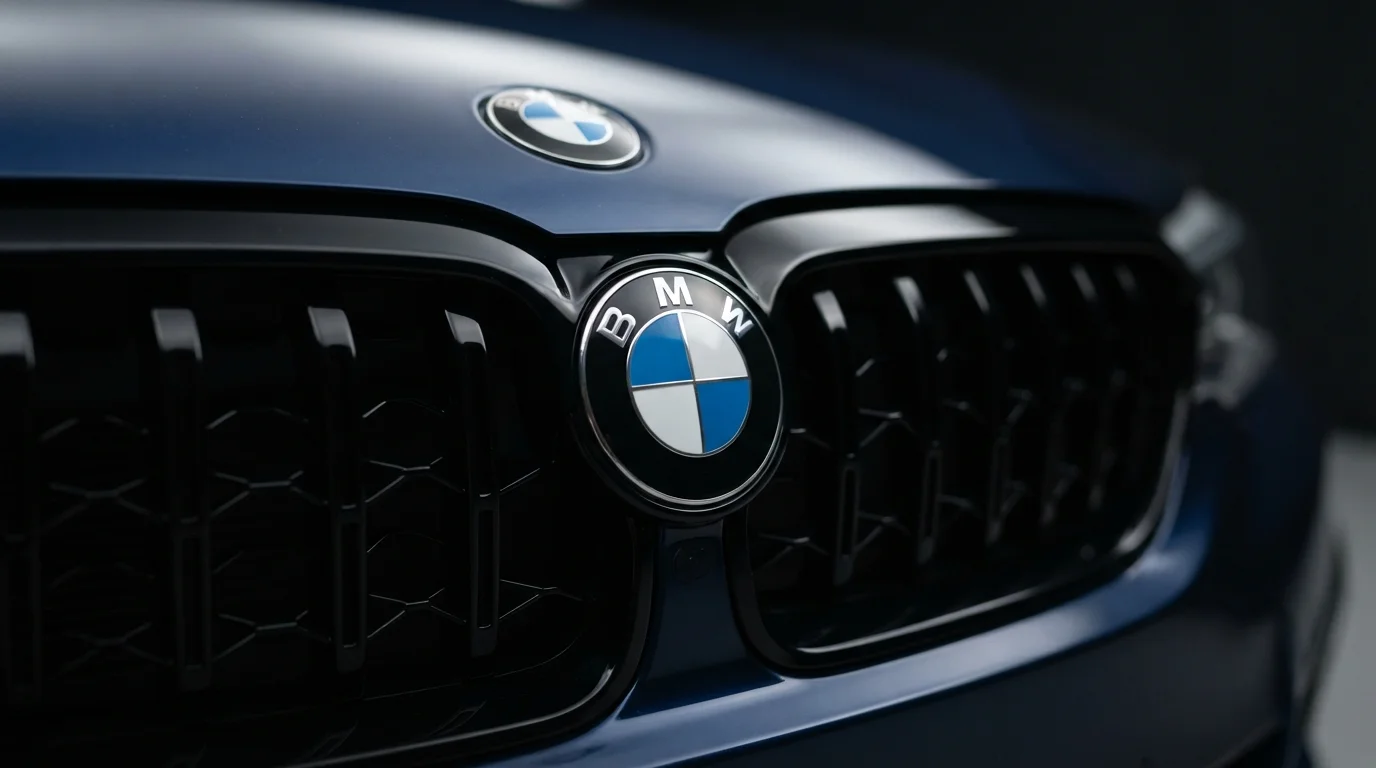
Few car brands carry the instant recognition of BMW. The blue-and-white roundel sits on everything from entry-level hatchbacks to motorsport-bred M cars, but there’s more to the story than the badge suggests. Some of the most interesting facts about BMW have nothing to do with cars at all the company started out building aircraft engines, and its name has changed more than once.
This guide covers BMW’s origins, how the company grew into one of the world’s leading premium manufacturers, what it’s like to own one in the UK today, and the questions British buyers ask most often before signing on the dotted line.
Who Founded BMW And When?
Direct answer: BMW’s official founding date is 7 March 1916, when an aircraft manufacturer called Bayerische Flugzeugwerke was established in Munich. The company didn’t take the name “BMW” until 1917, and didn’t build a car until 1928.
BMW’s roots lie in two separate Bavarian companies:
- Rapp Motorenwerke an aero-engine maker that renamed itself Bayerische Motoren Werke (Bavarian Motor Works) in 1917
- Bayerische Flugzeugwerke (BFW) an aircraft manufacturer founded the same year
In 1922, these two businesses effectively merged, with BFW taking on the BMW name, assets, and engine operations. That’s why historians treat 1916 as the “official” founding year, even though the modern BMW company as we’d recognise it didn’t fully exist until 1922.
The company’s first product wasn’t a car or even a motorcycle it was a straight-six aircraft engine called the BMW IIIa, built for German fighter planes in the First World War.
From Aircraft Engines To Automobiles
Direct answer: BMW didn’t build its first car until 1928, after acquiring a small manufacturer and its licence to build the Austin 7 under the name “Dixi.”
After the Treaty of Versailles banned Germany from producing aircraft engines, BMW pivoted to whatever kept the factory running motorcycle engines, farm equipment, even railway brakes and household items.
Key milestones in this era:
- 1923 -BMW builds its first motorcycle, the R32
- 1928 -BMW buys Fahrzeugfabrik Eisenach and begins building the Dixi, its first car
- 1930s -BMW moves into sports and luxury cars, building a reputation for engineering quality
- 1936 -The BMW 328 debuts, later becoming an icon of pre-war sports car design
During the Second World War, BMW built engines for the Luftwaffe, including some of the world’s earliest jet engines a technically significant, if historically uncomfortable, chapter in the company’s past.
How BMW Nearly Went Bankrupt Twice?

Direct answer: BMW came close to collapse after both World Wars, and by 1959 was on the brink of being sold to rival Daimler-Benz before a shareholder rescue changed its fate.
After 1945, BMW’s factories were dismantled or repurposed under Allied control, and the company struggled to compete with Volkswagen in the small-car market. By 1959, losses were so severe that BMW’s own board was preparing to sell the company outright.
That’s when entrepreneur Herbert Quandt stepped in, buying a controlling stake and backing the launch of the BMW 700 series, followed by the “New Class” saloons that established the sporty-but-practical formula BMW is still known for. The Quandt family (now represented by Stefan Quandt and Susanne Klatten) remains BMW’s largest shareholder group today.
BMW Today: Key Facts And Figures
| Metric | Figure (2025) |
|---|---|
| Headquarters | Munich, Germany |
| Vehicles produced | 2,463,681 cars |
| Motorcycles produced | 202,563 |
| Revenue | €133.45 billion |
| Net income | €7.45 billion |
| Employees | 154,540 |
| Major shareholders | Stefan Quandt (27.7%), Susanne Klatten (22.5%) |
BMW Group now operates over 30 production facilities across roughly 14 countries, including plants in Germany, the UK, the US, China, Brazil, Mexico, South Africa and India giving it genuinely global manufacturing reach rather than a purely German footprint.
BMW Brands And Sub-Brands Explained
BMW Group isn’t just BMW-badged cars. Its portfolio includes:
- BMW core car range, including i (electric), M (performance), X (SUV) and Z (roadster) lines
- Mini acquired in 2001, built primarily in Oxford, UK
- Rolls-Royce acquired in 1998, ultra-luxury cars built in Goodwood, West Sussex
- BMW Motorrad the motorcycle division, tracing back to the 1923 R32
- BMW M GmbH the in-house performance division, established in 1978, responsible for the M2, M3, M4, M5 and X-badged M-SUVs
For UK buyers, it’s worth knowing that both Mini and Rolls-Royce are built on British soil despite being German-owned a point of pride in BMW’s UK manufacturing story.
Interesting and Lesser-Known BMW Facts {#lesser-known}
- BMW’s R32 motorcycle set a world speed record in the 1920s that stood until 1937.
- The famous roundel logo is often mistaken for a spinning aircraft propeller a myth BMW itself has since acknowledged isn’t historically accurate, though it fits neatly with the brand’s aviation origins.
- BMW’s “New Class” saloons of the 1960s essentially saved the company and set the template for every 3 Series that followed.
- BMW builds engines and vehicles for other manufacturers under contract in some markets, a lesser-known part of its industrial business.
- BMW is developing hydrogen fuel cell vehicles in partnership with Toyota, alongside its mainstream EV push.
- The Neue Klasse platform, launched with the iX3 and followed by the i3 saloon, marks BMW’s biggest technical reset since the original New Class cars of the 1960s.
BMW Models: A Quick Guide
| Series | Type | Typical UK Buyer |
|---|---|---|
| 1 Series / 2 Series | Compact hatch/coupe | First premium car buyers |
| 3 Series / 4 Series | Executive saloon/coupe | Company car drivers, enthusiasts |
| 5 Series / 7 Series | Executive/luxury saloon | Business, chauffeur-driven use |
| X1–X7 | SUV range | Families wanting SUV practicality |
| i4, iX, i3 (new) | Electric | EV-focused buyers, company car tax savers |
| M models | Performance | Driving enthusiasts |
Running A BMW In The UK: Costs Explained

Direct answer: Running a BMW in the UK typically costs more than a mainstream brand due to higher parts, labour and insurance costs but electric and plug-in hybrid models can significantly cut company car tax (Benefit-in-Kind) and running costs.
Approximate UK cost considerations (these vary by model, age, and dealer always get a quote for your specific car):
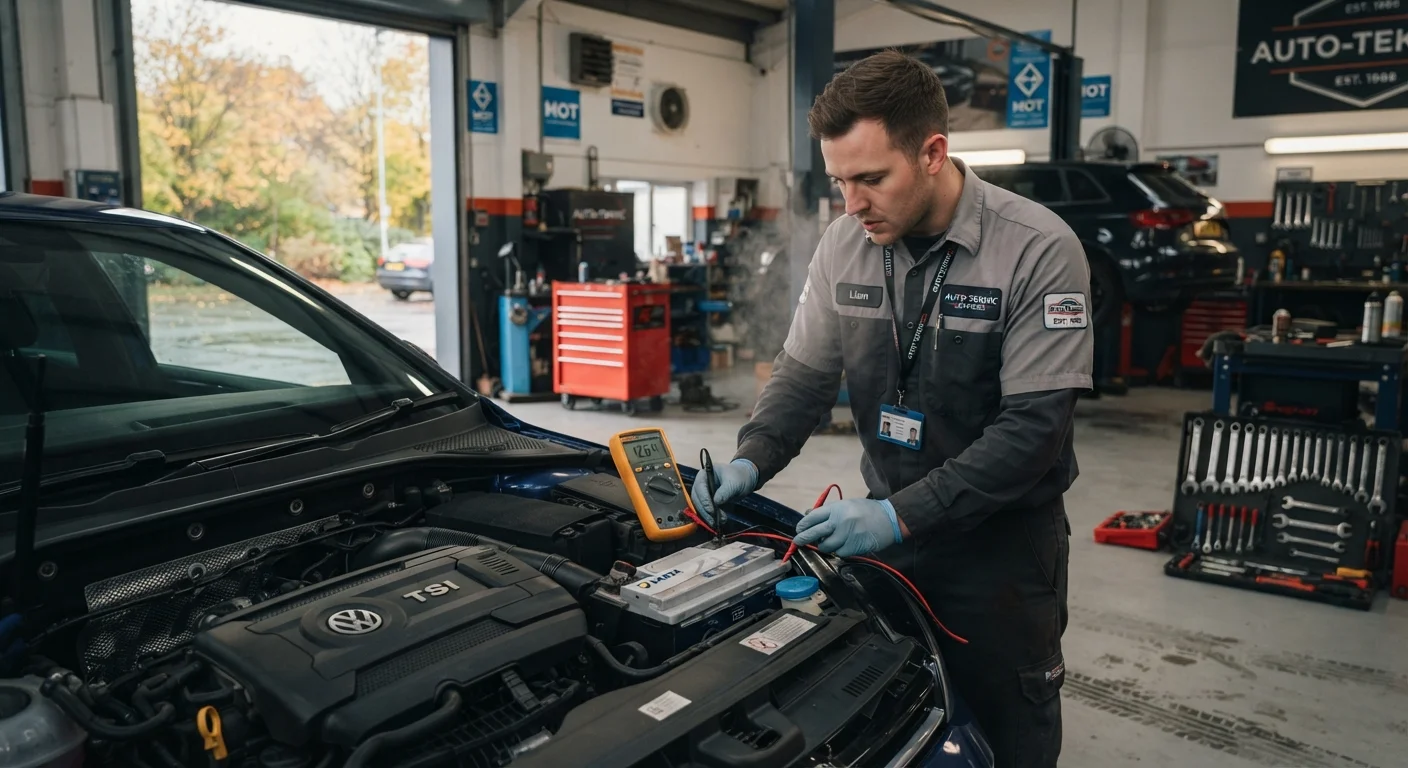
- Servicing: BMW’s Condition Based Servicing system flags intervals based on usage rather than fixed mileage; main dealer servicing generally costs more than independent garages, though BMW-approved independents can offer a middle ground.
- Insurance: Higher insurance groups than equivalent mainstream cars, particularly for M models.
- Road tax (VED): Petrol/diesel models are taxed on emissions; fully electric BMWs currently benefit from lower VED rates, though rules have been tightening check GOV.UK for current rates before buying.
- MOT and repairs: As with any premium brand, out-of-warranty repair bills can be higher than average; an independent BMW specialist is often more cost-effective than a main dealer once the warranty has expired.
Common Problems and Maintenance Tips
Like any manufacturer, BMW models have known wear points that vary by generation and engine. Common areas UK owners and independent garages flag include:
- Timing chain and tensioner wear on certain N47 diesel and N20/N26 petrol engines
- Electric water pump and thermostat failures on some four-cylinder engines
- Software-related electrical faults, often resolved through a dealer software update
Practical maintenance tips:
- Stick to BMW’s recommended service intervals rather than stretching them, even with long-life oil.
- Use a specialist or BMW-trained independent garage for older, out-of-warranty cars it’s usually cheaper and just as capable.
- Keep documented service history, which materially affects resale value.
- Address dashboard warning lights early rather than waiting for the next scheduled service.
This isn’t an exhaustive fault list always get an independent inspection or an AA/RAC vehicle check before buying a used BMW, since issues vary significantly by model year and engine.
Myths vs Facts About BMW {#myths}
| Myth | Fact |
|---|---|
| “BMW” stands for “British Motor Works” | It stands for Bayerische Motoren Werke Bavarian Motor Works, a German company |
| The roundel is a spinning aircraft propeller | This is a popular but disputed origin story; the logo actually reflects Bavaria’s blue-and-white state colours |
| All BMWs are unreliable | Reliability varies significantly by model, engine and age, much like any manufacturer |
| BMW only makes performance cars | The range spans city hatchbacks to SUVs, EVs and ultra-luxury cars via Rolls-Royce |
Buying Guide: New vs Used BMW
Direct answer: New BMWs offer full warranty cover and the latest safety and EV technology, while used BMWs particularly 3–6 years old often provide stronger value once the steepest depreciation has passed.
Checklist before buying a used BMW in the UK:
- Verify full service history through a BMW dealer or approved specialist
- Check for outstanding finance and previous write-off status (HPI check)
- Confirm the timing chain/tensioner history on affected engines
- Test drive for unusual noises from the engine bay at idle
- Check MOT history online via GOV.UK for recurring advisories
Conclusion
From a 1916 aircraft engine maker on the brink of collapse to one of the world’s leading premium car manufacturers, the facts about BMW tell a story of reinvention as much as engineering. The company that nearly sold itself to a rival in 1959 now sells over 2.4 million vehicles a year, owns Mini and Rolls-Royce, and is pushing hard into electric and hydrogen technology with the Neue Klasse platform.
For UK buyers, that history is less important day-to-day than the practical reality: strong engineering and driving dynamics, but running costs that reward doing your research on servicing, insurance, and whether an electric or hybrid model suits your tax and mileage situation better than a traditional petrol or diesel.
Next step: If you’re considering a BMW, get an independent vehicle check or dealer quote before buying, and compare running costs (insurance group, VED band, and servicing) against your specific model and mileage.
Frequently Asked Questions About BMW
What does BMW stand for?
BMW stands for Bayerische Motoren Werke, German for “Bavarian Motor Works.”
Did BMW really start with airplanes?
Yes. Before making motorcycles or cars, BMW’s earliest business was manufacturing aircraft engines.
When was BMW founded?
BMW’s official founding date is 7 March 1916, though the company didn’t take its current form and name until 1922.
Was BMW an early player in electric cars?
Yes. BMW built its first electric car, the 1602e, in 1972 as a demonstration vehicle for the Munich Olympics decades ahead of the mainstream EV boom.
What does the BMW logo represent?
The blue-and-white checkered design echoes the colors of the Bavarian flag, a nod to the company’s regional roots. (Contrary to popular myth, it was never meant to depict a spinning airplane propeller.)
Why did BMW start making cars?
After WWI, the Treaty of Versailles banned German firms from producing aircraft engines. BMW pivoted to motorcycles, then automobiles, eventually becoming one of the world’s leading luxury car makers.
Does BMW still support its older models?
Yes. Through its BMW Classic division, the company still manufactures original spare parts for vintage models a level of legacy support that’s rare in the luxury auto industry.