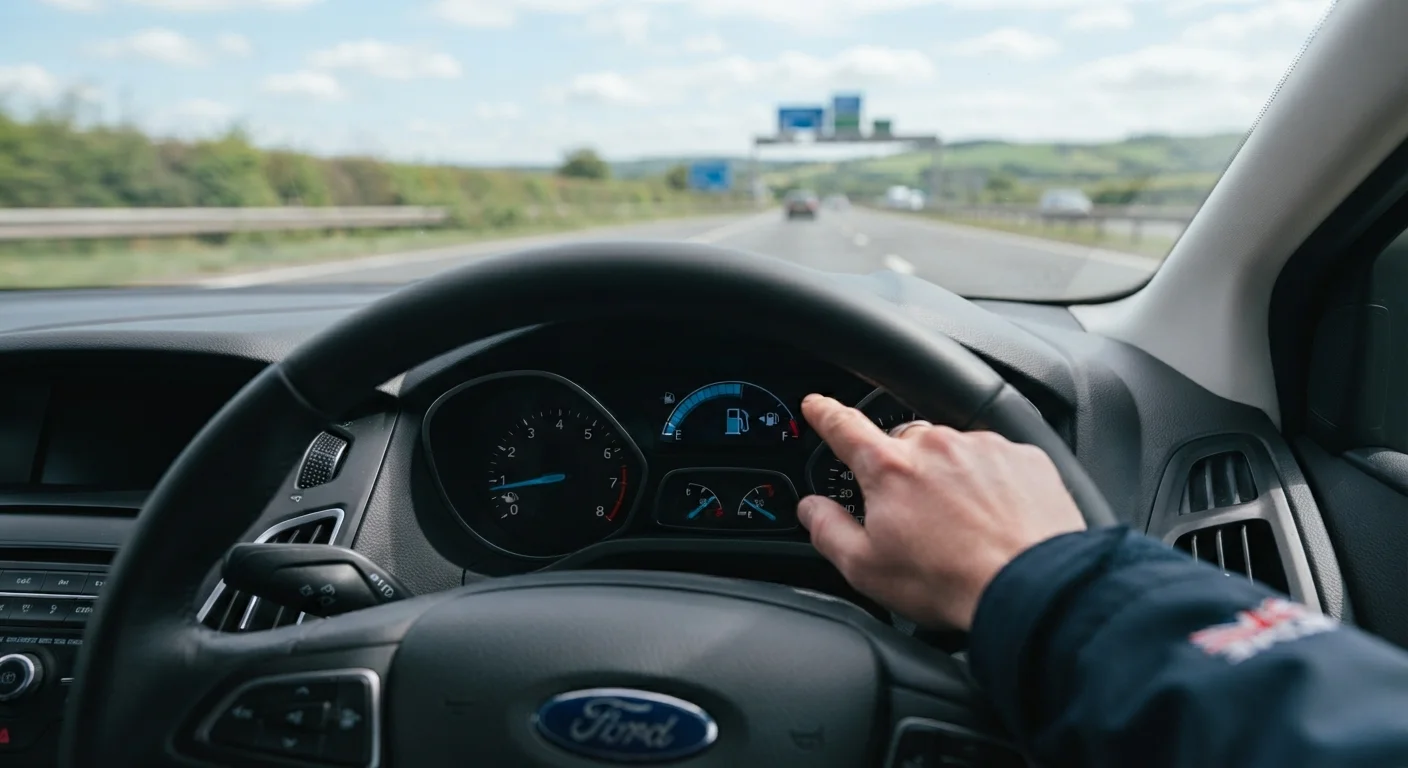
Manual transmission is a type of gearbox that lets the driver choose and change gears themselves, using a gear stick and a clutch pedal. It’s the traditional way of driving, and it’s still hugely popular across the UK, from first cars to work vans.
This guide explains everything you need to know: how a manual transmission works, the most common problems, how much repairs cost in the UK, and how to keep your gearbox healthy for years to come. Whether you’re a learner driver, a car buyer, or someone whose gearbox is making a strange noise, you’ll find clear, practical answers here.
What Is A Manual Transmission?

Quick answer: A manual transmission is a gearbox that requires the driver to manually select gears using a gear stick and clutch pedal, rather than the car changing gears automatically.
In a manual car, the driver controls three things together: the clutch pedal, the accelerator, and the gear stick. Pressing the clutch disconnects the engine from the wheels for a moment, allowing the driver to move the gear stick into a new gear before releasing the clutch again.
Manual gearboxes are also called “stick shifts” in some countries, though in the UK the term manual transmission or simply manual gearbox is far more common.
Key Components Of A Manual Transmission
- Clutch – connects and disconnects engine power from the gearbox
- Gear stick (gear lever) – used to select the desired gear
- Gearbox casing – houses the gears, shafts, and synchronisers
- Synchromesh (synchroniser rings) – help gears mesh smoothly without grinding
- Flywheel – works with the clutch to transfer engine power
How Does A Manual Transmission Work?
Quick answer: A manual transmission works by using a set of gears of different sizes, connected to the engine through a clutch, to control how much power and speed reach the wheels.
Here’s a simple step-by-step of what happens when you change gear.
- You press the clutch pedal, which separates the engine from the gearbox.
- You move the gear stick to select a new gear.
- Inside the gearbox, synchroniser rings match the speed of the gear you’re selecting.
- You release the clutch gradually, reconnecting engine power smoothly.
- Power flows through the chosen gear to the wheels, changing your speed or torque.
Lower gears (like first and second) give more torque and less speed, which is ideal for pulling away or climbing hills. Higher gears (like fifth and sixth) allow higher speeds with less engine strain, which is better for motorway driving and fuel economy.
Types Of Manual Transmission
| Type | Description | Common Use |
|---|---|---|
| Sliding mesh gearbox | Oldest design; gears slide directly into mesh | Rarely used today; vintage vehicles |
| Constant mesh gearbox | Gears are always meshed; dog clutches select them | Older commercial vehicles |
| Synchromesh gearbox | Uses synchroniser rings for smooth changes | Almost all modern manual cars |
| Sequential manual gearbox | Gears change in strict order (up or down) | Motorsport, some motorcycles |
| Manual with overdrive | Extra high gear for reduced revs at speed | Some older UK cars |
Most manual cars driven in the UK today use a synchromesh gearbox, typically with five or six forward gears and one reverse gear.
Manual Vs Automatic: Key Differences
Quick answer: Manual transmissions require the driver to change gear using a clutch, while automatic transmissions change gear on their own using hydraulics, electronics, or dual clutches.
| Feature | Manual Transmission | Automatic Transmission |
|---|---|---|
| Gear changes | Driver-controlled | Automatic |
| Clutch pedal | Yes | No (except some dual-clutch systems) |
| Typical purchase price | Usually lower | Usually higher |
| Fuel economy | Often slightly better | Improving, now often similar |
| Repair costs | Generally lower | Generally higher |
| Driving control | More direct control | More relaxed driving |
| Learning curve | Steeper for new drivers | Easier for beginners |
| Popularity in UK | Still very common | Growing rapidly |
Both systems have improved a great deal in recent years, and the “best” choice really depends on personal preference, budget, and how you use your car.
Benefits Of A Manual Transmission
- Lower upfront cost manual cars are usually cheaper to buy than the automatic equivalent
- Cheaper repairs fewer complex electronics, generally lower labour costs
- More driver control useful in snow, hills, and towing situations
- Often better fuel economy on older models, although this gap has narrowed considerably
- Simpler mechanical design, which can mean fewer things to go wrong long-term
- Engagement and enjoyment many UK drivers simply prefer the feel of changing gear themselves
Pros & Cons Of Manual Transmission
| Pros | Cons |
|---|---|
| Lower purchase and repair costs | More physically demanding in traffic |
| Greater control over gear selection | Steeper learning curve for new drivers |
| Simpler mechanical design | Can be tiring on long motorway journeys |
| Often lighter, aiding fuel efficiency | Fewer manual options in some new car ranges |
| Popular for UK driving tests | Clutch wear if used incorrectly |
Common Manual Transmission Problems
Quick answer: The most common manual transmission problems are worn clutches, difficulty selecting gears, grinding noises, gear stick vibration, and fluid leaks.
- Difficulty getting into gear, especially reverse or first
- Grinding or crunching noises when changing gear
- Clutch slipping (engine revs rise but the car doesn’t accelerate as expected)
- Gear stick feels loose, notchy, or vibrates
- Burning smell, often linked to a worn clutch
- Gearbox oil leaks, sometimes seen as spots under the car
- Popping out of gear while driving
Signs & Symptoms Of Gearbox Trouble

| Symptom | Possible Meaning |
|---|---|
| Grinding noise when shifting | Worn synchroniser rings or clutch issue |
| Gear stick is stiff or hard to move | Low or degraded gearbox oil, worn linkage |
| Burning smell | Overheating or slipping clutch |
| Whining noise in neutral | Worn bearings inside the gearbox |
| Car jumps out of gear | Worn selector forks or synchronisers |
| Clutch pedal feels spongy | Hydraulic clutch system issue |
If you notice any of these signs, it’s worth booking a diagnostic check with a qualified mechanic sooner rather than later, since gearbox problems tend to get worse and more expensive over time.
Causes Of Manual Transmission Failure
- Riding the clutch resting your foot on the pedal while driving wears it out faster
- Skipping gears aggressively or forcing the gear stick
- Low or old gearbox oil that no longer lubricates properly
- Towing heavy loads beyond the vehicle’s rated capacity
- General wear and tear after very high mileage
- Poor clutch control when learning to drive, particularly frequent stalling and clutch slipping
- Water or contamination entering the gearbox casing (less common, but serious)
Repair Options And Solutions
| Problem | Typical Solution |
|---|---|
| Worn clutch | Clutch replacement kit (clutch plate, pressure plate, release bearing) |
| Grinding gears | Synchroniser ring replacement or gearbox rebuild |
| Gearbox oil leak | Reseal gearbox, replace gasket or seal |
| Loose gear stick | Replace bushings/linkage components |
| Complete gearbox failure | Gearbox rebuild or replacement unit |
For most UK drivers, a clutch replacement is the most common manual transmission repair. A full gearbox rebuild or replacement is less frequent but more expensive, usually needed only after very high mileage or serious internal damage.
Manual Transmission Repair Costs In The UK
Quick answer: In the UK, a clutch replacement typically costs between £350 and £900, while a full gearbox rebuild or replacement can range from £800 to over £2,500, depending on the vehicle.
| Repair | Estimated UK Cost (2026) |
|---|---|
| Clutch replacement (parts + labour) | £350–£900 |
| Gearbox oil change | £60–£150 |
| Synchromesh/synchroniser repair | £400–£1,200 |
| Gearbox reseal (leak repair) | £150–£400 |
| Full gearbox rebuild | £800–£1,800 |
| Full gearbox replacement (reconditioned unit) | £1,000–£2,500+ |
Costs vary by garage, region, and vehicle make. Prices are approximate and should always be confirmed with a quote from a local, reputable garage before booking work.
Maintenance Tips To Extend Gearbox Life
Quick answer: Regular oil checks, gentle clutch use, and avoiding excessive towing are the best ways to keep a manual transmission healthy for longer.
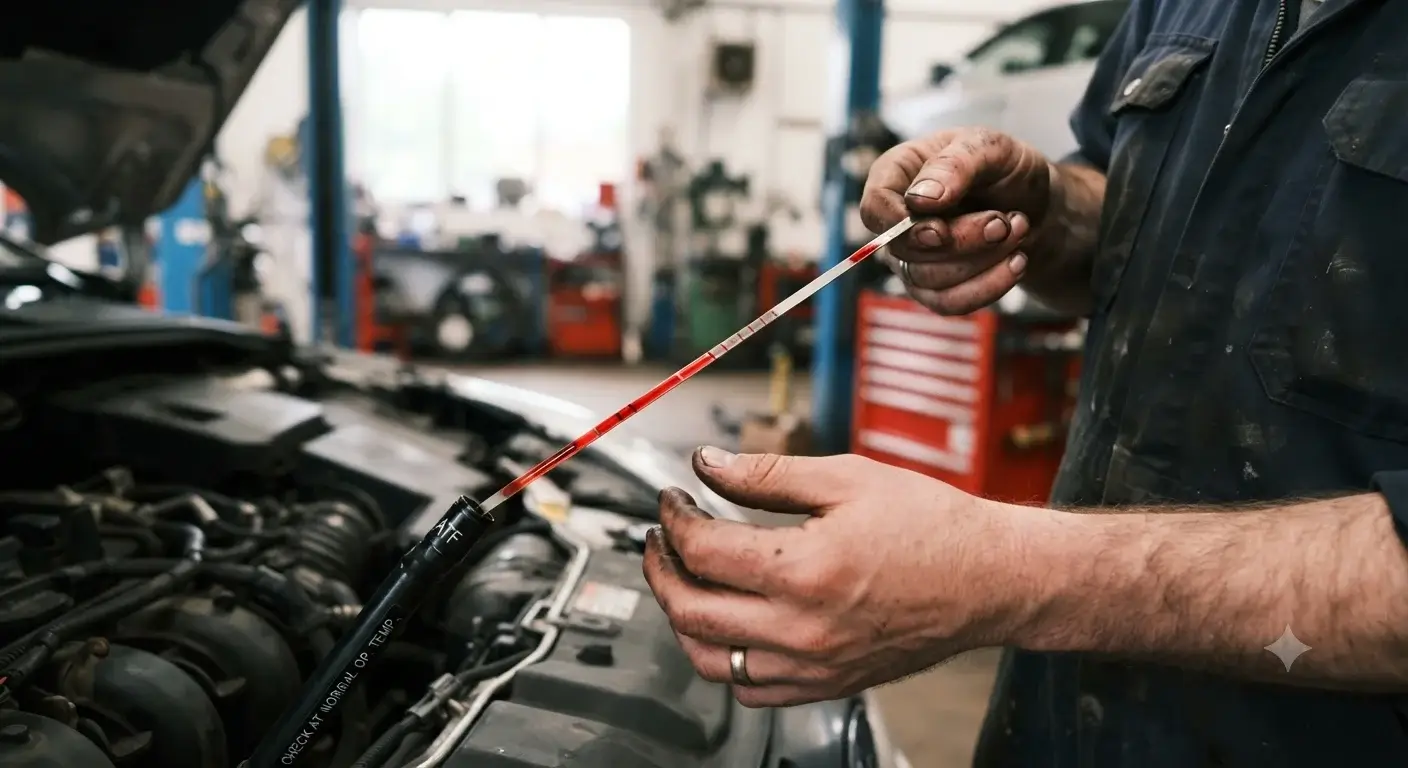
- Check gearbox oil level and condition as part of routine servicing.
- Avoid resting your foot on the clutch pedal while driving.
- Come to a complete stop before selecting reverse gear.
- Don’t rest your hand on the gear stick, as this can add pressure on the selector forks.
- Have the clutch checked if you notice slipping, even mildly.
- Avoid harsh, rushed gear changes, particularly when the engine is cold.
- Follow the manufacturer’s recommended service intervals.
Suggested Manual Transmission Maintenance Schedule
| Interval | Task |
|---|---|
| Every service (annually or per mileage) | Visual inspection for leaks, general condition check |
| Every 40,000–60,000 miles (check manufacturer guidance) | Gearbox oil change, if applicable to the model |
| As needed | Clutch inspection if slipping, noise, or stiffness is noticed |
| Before long journeys | Quick check of gear stick feel and clutch pedal response |
Buying Guide: Choosing A Manual Car
Quick answer: When buying a manual car, test every gear including reverse, listen for grinding, and check the clutch bite point for smoothness.
Manual Transmission Buying Checklist
- Test all gears, including reverse, while stationary and while driving
- Listen for grinding or crunching noises during gear changes
- Check the clutch bite point it should feel smooth, not jerky or high
- Ask for the vehicle’s full service history, including any clutch or gearbox work
- Check for oil leaks underneath the gearbox area
- Take the car on a varied test drive (hills, motorway speeds, stop-start traffic)
- Confirm mileage aligns with wear you’d expect on the clutch and gearbox
This checklist applies whether you’re buying privately, from a dealership, or through an online UK car marketplace.
Mistakes To Avoid
- Riding the clutch in traffic instead of using the handbrake
- Ignoring early warning signs like light grinding noises
- Ignoring gearbox oil as part of routine servicing
- Forcing the gear stick when it feels stiff, instead of investigating the cause
- Buying a manual car without testing every single gear
- Towing beyond the vehicle’s rated limits regularly
Expert Tips
- Change gear decisively but smoothly hesitant, half-hearted changes cause more wear than confident ones.
- If your car has a “bite point” indicator light (some newer manuals do), use it while learning to reduce clutch wear.
- A manual gearbox that’s driven sensibly can easily outlast the rest of the car’s mechanical components.
- Have a qualified, reputable garage carry out any clutch or gearbox work this is a job where labour quality really affects long-term reliability.
- If you’re a new or learner driver, practising clutch control in a quiet car park before driving in traffic can significantly reduce early wear.
Myths Vs Facts
| Myth | Fact |
|---|---|
| “Manual gearboxes never need maintenance.” | They do oil changes and clutch checks matter, even if less frequent than other services. |
| “Automatics are always more reliable than manuals.” | Reliability depends more on the specific vehicle and maintenance than transmission type alone. |
| “You should always double-clutch on modern cars.” | Modern synchromesh gearboxes don’t need double-clutching; it’s mainly relevant to older or non-synchromesh boxes. |
| “A grinding noise always means the gearbox is finished.” | It often signals a clutch or synchroniser issue that can be repaired, not necessarily total failure. |
| “Manual cars are always cheaper to insure.” | This varies by insurer, driver profile, and vehicle it’s not a fixed rule. |
Manual Transmission Checklist (Quick Reference)
- Check gearbox oil at every major service
- Listen for grinding, whining, or crunching sounds
- Avoid riding the clutch
- Come to a full stop before selecting reverse
- Book a diagnostic check at the first sign of trouble
- Get a written quote before agreeing to clutch or gearbox repairs
- Test every gear thoroughly before buying a used manual car
Frequently Asked Questions Manual Transmission
What is a manual transmission?
A manual transmission is a gearbox where the driver selects gears using a gear stick and clutch pedal, rather than the car doing it automatically.
How does a manual transmission work?
It uses a clutch to disconnect the engine briefly, allowing the driver to select a different gear, then reconnects power smoothly as the clutch is released.
How much does a manual transmission repair cost in the UK?
Costs range widely: roughly £350–£900 for a clutch replacement, and £800–£2,500+ for a full gearbox rebuild or replacement, depending on the vehicle.
Is a manual transmission worth repairing?
In most cases, yes repairing a manual gearbox is usually far cheaper than replacing the whole vehicle, especially if the rest of the car is in good condition.
How long do manual transmissions last?
With sensible driving and regular maintenance, many manual gearboxes last well over 150,000–200,000 miles.
What causes a manual transmission to grind?
Grinding is usually caused by worn synchroniser rings, a clutch problem, or incorrect gear selection technique.
Can you drive with a bad clutch?
It’s possible for a short time, but a slipping or failing clutch will get worse and can eventually leave you stranded, so it should be checked promptly.
Is manual or automatic better for beginners?
Automatic is generally easier to learn initially, though many UK driving instructors still recommend manual for the added control it teaches.
Do manual gearboxes need oil changes?
Yes, most manual gearboxes use their own gear oil, which should be checked and changed according to the manufacturer’s schedule.
Why is my gear stick vibrating?
This can be linked to worn engine mounts, gearbox mounts, or internal gearbox wear, and should be inspected by a mechanic.
What does it mean if my car pops out of gear?
This usually points to worn selector forks or synchronisers inside the gearbox and should be checked as soon as possible.
Is a 5-speed or 6-speed manual better?
A 6-speed manual often offers better fuel economy at motorway speeds due to a taller top gear, but both are reliable when well maintained.
Can I change my automatic car to manual?
Technically possible in some cases, but it’s a complex, expensive conversion that’s rarely cost-effective for most drivers.
Do manual cars have better fuel economy than automatics?
Historically yes, though modern automatic and dual-clutch gearboxes have closed much of that gap in recent years.
Is it normal for a clutch pedal to feel different over time?
Some gradual change is normal, but a sudden change in feel, especially sponginess or a high biting point, should be checked by a professional.
Conclusion
A manual transmission remains a reliable, cost-effective, and enjoyable way to drive for millions of people across the UK. Understanding how it works, recognising early warning signs, and keeping up with simple maintenance can add years to your gearbox’s life and save you significant repair costs down the line.
Whether you’re learning to drive, buying a used manual car, or trying to diagnose a strange noise from your gearbox, the key takeaway is this: manual transmissions are generally simple, durable systems but they still deserve regular care and attention.
Call to Action
If you’re experiencing gear changing problems, unusual noises, or clutch issues, book a diagnostic check with a qualified local garage as soon as possible to catch small problems before they become expensive repairs.