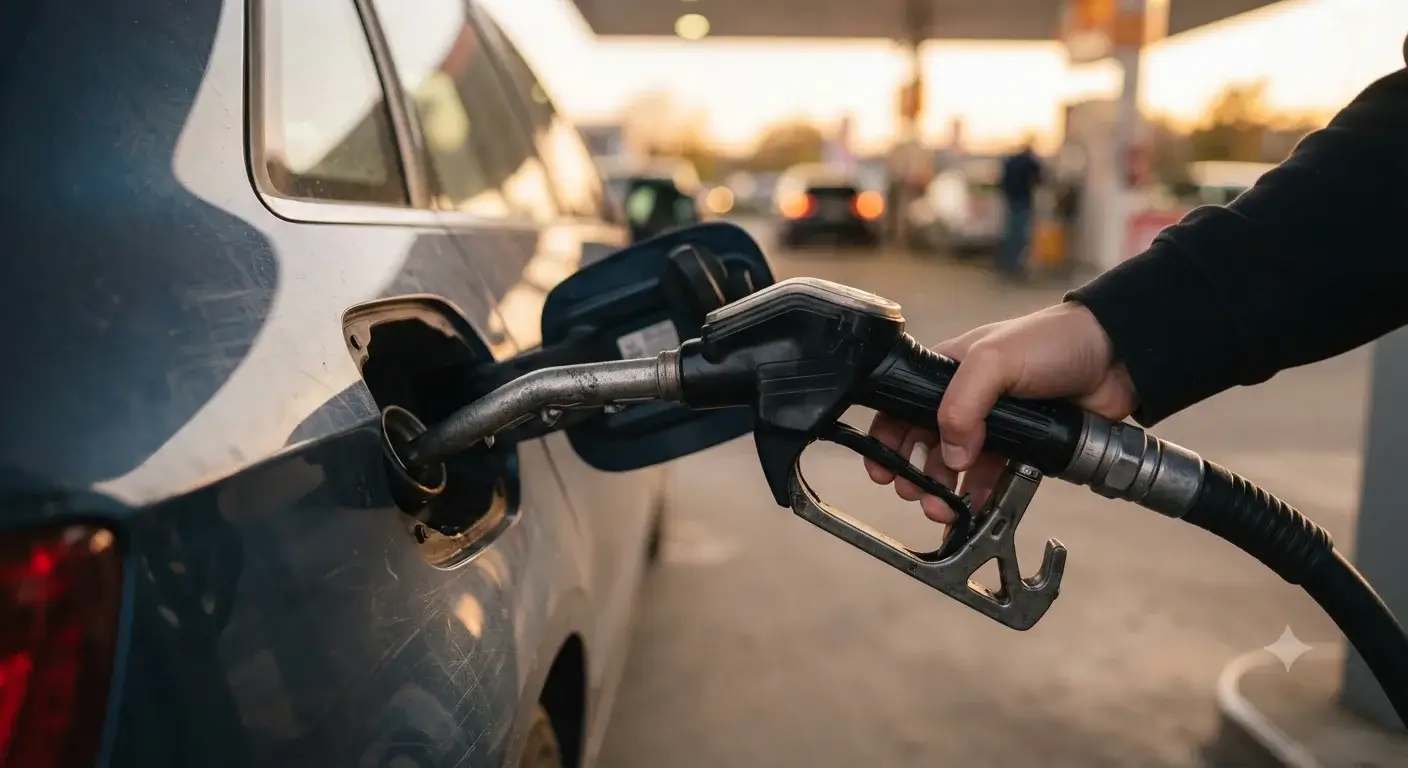
Top Tier gasoline contains a higher concentration of detergent additives than the federal minimum required by the EPA, which keeps fuel injectors, intake valves, and combustion chambers clean of carbon deposits.
In 2026 with fuel prices under pressure from prolonged US-Iran hostilities and repeated disruptions near the Strait of Hormuz running the right fuel isn’t a luxury, it’s a maintenance necessity that directly protects your wallet.
Why “Best Fuel” Matters More in 2026 Than Any Year I Can Remember
I’ve been elbow-deep in engines since long before Gasoline Direct Injection became the industry standard, and I can tell you this plainly: fuel quality conversations used to be a “nice to know.” In 2026, they’re a financial necessity.
The ongoing military tension between the United States and Iran has repeatedly threatened tanker traffic through the Strait of Hormuz — a chokepoint that carries roughly a third of the world’s seaborne oil. Every time hostilities flare, crude benchmarks spike, and that spike lands directly on the price per gallon or per litre at your local station, whether you’re filling up in Houston, London, Dubai, Toronto, or Vienna.
When fuel costs this much, every drop matters. That’s where the science of top tier gasoline stops being marketing talk and starts being genuine engine preservation — because a clean fuel system is a fuel-efficient fuel system.
If you’re still deciding what powers your next vehicle at all, it’s worth stepping back first to our full petrol vs. diesel comparison before diving into gasoline-specific tiers below.
What Is Top Tier Gasoline, Really?

Top Tier gasoline is a voluntary industry standard developed by a group of automakers (including GM, Toyota, Honda, and BMW) in response to widespread carbon deposit problems caused by minimum-additive fuel. It sets a higher detergent additive floor than the EPA’s baseline requirement.
Top Tier Gas vs. Regular Gas: The Technical Difference
- Detergent concentration: Top tier gas stations use fuel with roughly 2–3x the deposit-control additive of EPA-minimum fuel.
- Spray pattern integrity: Higher detergent levels help injectors maintain a consistent atomization pattern instead of a distorted, deposit-clogged spray.
- Intake valve protection: Especially critical on GDI engines, where fuel never physically washes over the intake valves the way it does in port-injected engines.
In my shop, I’ve pulled intake valves from non-Top Tier-fueled GDI engines with carbon crusts thick enough to visibly restrict airflow at under 60,000 miles. On the same engine family run exclusively on Top Tier fuel, the valves look almost factory-clean at twice that mileage.
Top Tier Gasoline Brands: Who Actually Qualifies?

Top tier gasoline brands are certified, not self-declared. The official list changes as brands join or drop certification, so I always tell customers: check the current Top Tier list before assuming your regular station qualifies. Historically, top gasoline brands like Shell, Chevron, Costco, Exxon, Mobil, and Sam’s Club have carried certification, while several regional and budget chains have not.
Is BP Top Tier Gas?
This is one of the most common questions I get at the counter, so let’s answer it directly: BP is a certified Top Tier gasoline brand in the US and has maintained that certification for years. If you’re asking “is BP top tier gasoline” because you’re deciding between stations on a long haul, BP meets the detergent additive standard but always cross-reference the current published list, since certifications are reviewed periodically.
Is Sunoco Gas Top Tier?
Yes Sunoco is Top Tier certified. Sunoco also markets a higher-octane “Ultra 93” tier for performance applications, but even their standard grades meet the Top Tier detergent additive requirement.
Is Shell Top Tier Gas?
Yes. Shell is one of the founding brands behind the Top Tier standard and remains certified across its regular, mid-grade, and V-Power premium fuels.
Is Costco Gas Good? Is It Top Tier?
Yes Costco is a certified Top Tier gasoline retailer. It’s a common question because Costco’s pricing is aggressive relative to other Top Tier stations, and drivers assume cheaper means lower additive quality. That assumption is wrong here: Costco meets the same detergent floor as Shell or Chevron.
Finding a Top Tier Gas Station Near You
Every major Top Tier brand maintains a station finder tool, and it’s worth bookmarking if you travel often certification can vary slightly by region and by individual franchise ownership, so confirming before a long road trip is smart practice, especially if you’re driving through unfamiliar territory in the US, Canada, or the UAE.
The “Top Tier Gas Is a Myth” Argument Debunked
I hear this in the shop constantly: “Top Tier gas is just marketing.” It isn’t, and here’s the mechanical reason why. The Top Tier standard is a real, published detergent additive specification co-developed by automakers not a self-awarded marketing badge. I’ve personally verified the difference with borescope inspections (see my Expert Tip below), and the carbon deposit pattern between Top Tier and non-Top Tier fueled engines is consistent and measurable, not anecdotal.
GDI Engine Injector Care: Why Modern Engines Are Less Forgiving

If you’re driving anything built in the last 12–15 years, there’s a strong chance it’s running Gasoline Direct Injection. GDI improves efficiency and power, but it introduces a specific vulnerability: fuel is injected directly into the combustion chamber under high pressure, which means it never contacts and cleans the back of the intake valves the way older port-injection fuel did.
Practical GDI injector care steps I recommend to every customer
- Run Top Tier gasoline as your default fuel, not an occasional treat.
- Add a manufacturer-approved intake valve cleaning service every 20,000–30,000 miles depending on driving conditions.
- Avoid prolonged idling and short-trip-only driving patterns, which accelerate carbon buildup because the engine rarely reaches full operating temperature.
- Watch for early symptoms: rough idle, hesitation on acceleration, or a check engine light referencing lean fuel trims.
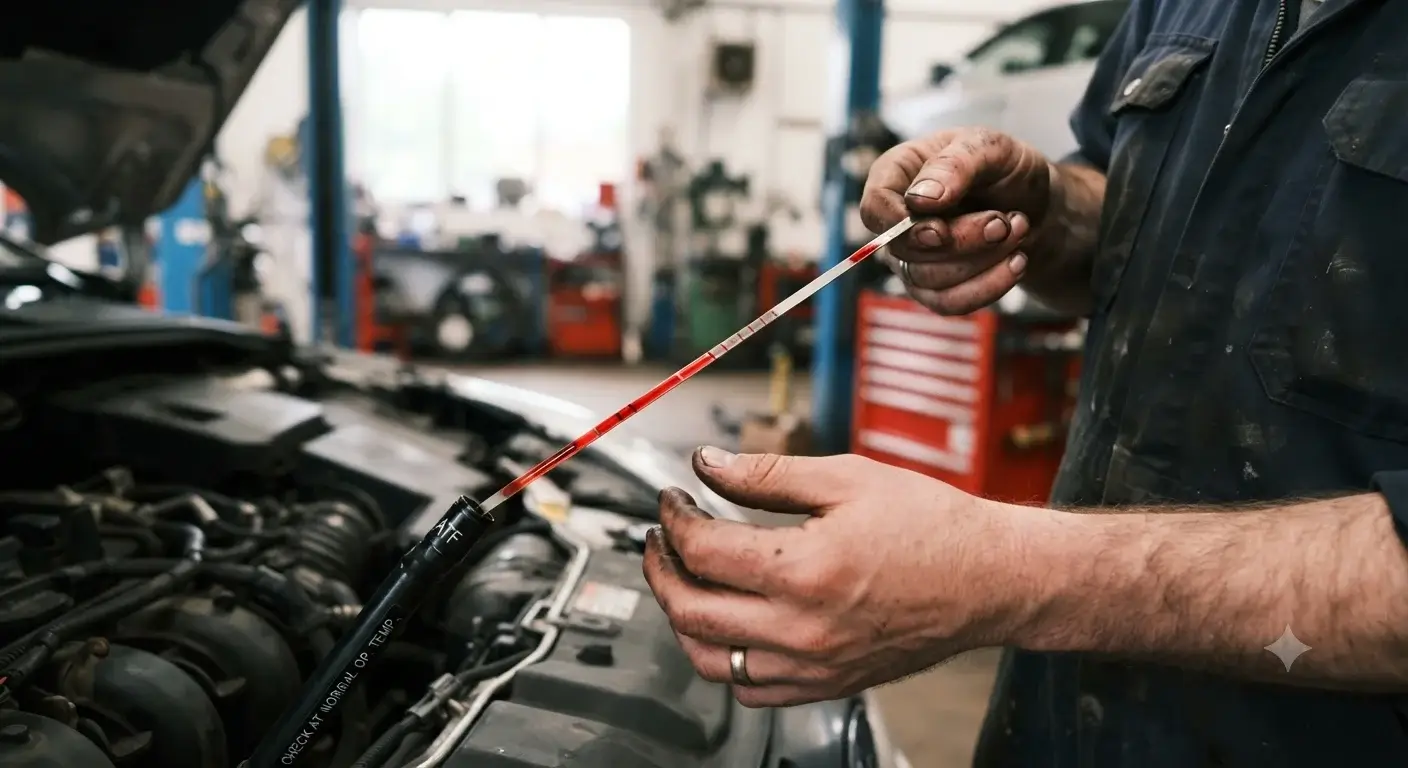
Fuel quality and injector care don’t work in isolation — they’re part of a broader maintenance routine. If you haven’t already, pair this with our guide on how to check engine oil correctly, since low or degraded oil accelerates the same combustion inefficiencies that dirty injectors cause.
Key takeaways
- Top tier gas contains up to 3x more detergent additive than non-Top Tier fuel, which matters most for modern GDI (Gasoline Direct Injection) engines prone to intake valve carbon buildup.
- Not every gas station brand qualifies Top Tier gasoline brands must be certified against a strict industry-wide additive standard.
- With crude oil prices swinging sharply due to Middle East supply disruptions in 2026, poor fuel economy from a dirty fuel system is now costing drivers real money every week.
- Regional fuel quality, climate, and emissions standards differ across the US, UK, UAE, Canada, and Austria what counts as “good fuel” isn’t identical everywhere.
- A neglected fuel filter or failing fuel pump will waste more Top Tier gasoline than it saves you the additive package can’t fix a mechanical problem.
Fuel System Components That Determine Whether “Best Fuel” Even Matters
Buying premium detergent gasoline is only half the equation. If your fuel delivery system is failing, no additive package will save your fuel economy or your engine.
Fuel Filter Maintenance

A clogged fuel filter restricts flow before fuel ever reaches the injectors, forcing the fuel pump to work harder and starving the engine under load. I recommend.
- Inspecting or replacing the fuel filter per your manufacturer’s interval typically every 20,000–40,000 miles, though some modern in-tank filters are rated for the life of the pump module.
- Never delaying filter service if you’re noticing hesitation, stalling at idle, or reduced power under acceleration these are classic filter restriction symptoms.
Signs of a Bad Fuel Pump

A failing fuel pump is one of the most expensive-feeling problems to ignore because the symptoms creep in gradually before a sudden, total failure.
- A whining or humming noise from the fuel tank area that grows louder over time.
- Difficulty starting, especially after the vehicle has been sitting.
- Power loss or surging at highway speed, particularly under load or up an incline.
- Engine sputtering at high RPM as pump output can’t keep pace with demand.
- Poor fuel economy, as a weakening pump often triggers the engine control unit to compensate with a richer fuel trim.
Fuel Pump Replacement Cost
Based on what I’ve seen across independent shops and dealerships in 2026.
- Parts: Typically $150–$400 for the pump module itself, more for OEM units on luxury or performance vehicles.
- Labor: $150–$450 depending on tank access — some vehicles require dropping the fuel tank entirely, which adds significant labor time.
- Total realistic range: Most drivers should budget $300–$800 for a full fuel pump replacement, with premium and luxury vehicles running higher.
Given current fuel prices, a failing pump running rich isn’t just a reliability risk — it’s actively burning extra fuel money every single tank.
Not sure whether to go OEM or aftermarket on the replacement pump or filter? Our car spare parts comparison guide breaks down where it’s worth paying for factory parts and where a quality aftermarket component performs just as well.
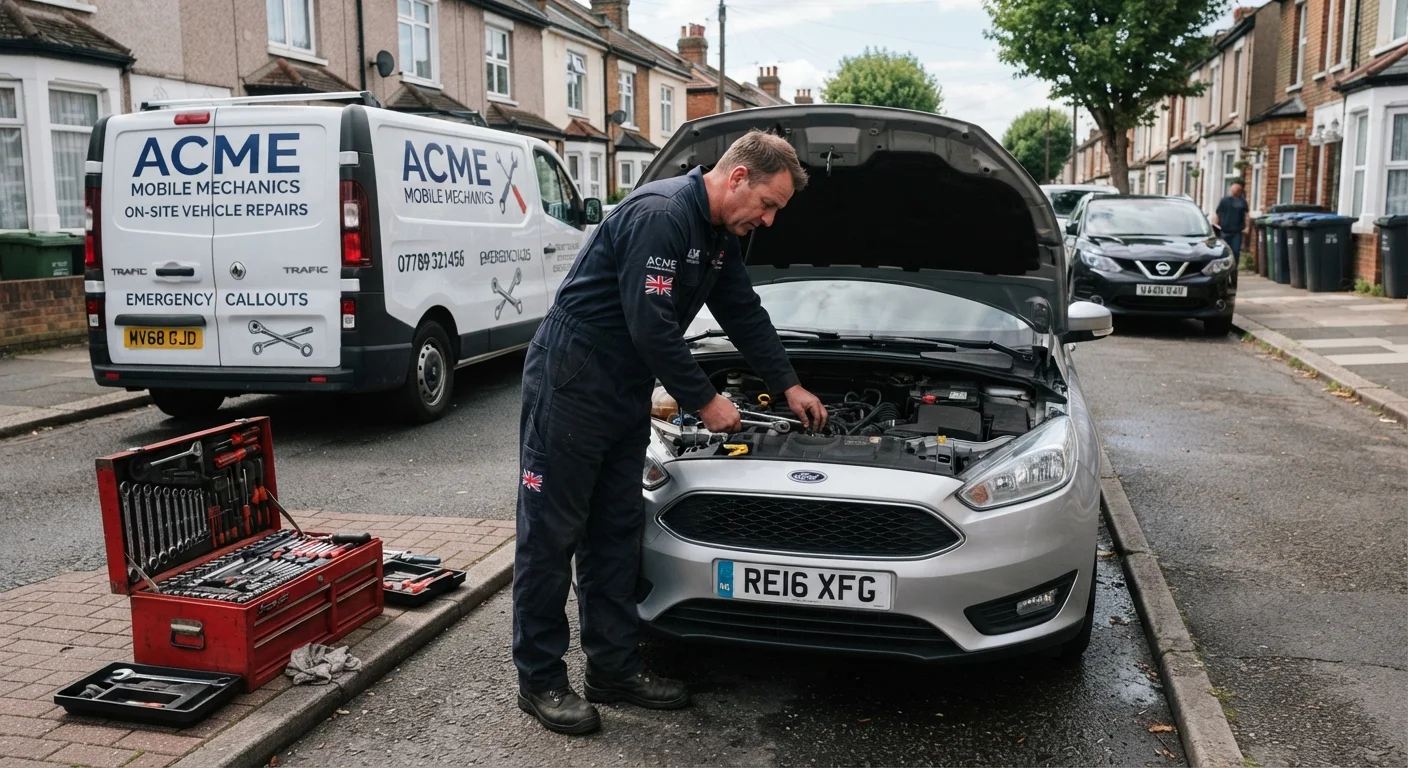
If you’d rather have a professional handle the diagnosis and replacement, our mobile mechanic guide can help you find trusted hands-on help without a tow to the dealership.
How to Save Fuel: A Mechanic’s Real-World Priority List
Everyone wants a magic additive. What actually moves the needle, based on 18 years of dyno testing and real-world diagnostics.
- Keep tires properly inflated. Under-inflated tires are one of the single biggest silent fuel economy killers I see on a diagnostic scan.
- Use Top Tier gasoline consistently to prevent injector fouling and maintain proper atomization.
- Replace air filters and fuel filters on schedule restricted airflow or fuel flow forces richer, less efficient combustion.
- Address fuel trim codes immediately rather than ignoring a minor check engine light; small imbalances compound fuel waste over thousands of miles.
- Reduce unnecessary idling, especially in extreme cold, which both wastes fuel and accelerates carbon buildup before the engine reaches operating temperature.
- Stay current on oxygen sensor and spark plug service, since both directly affect the air-fuel ratio the ECU is targeting.
For a broader seasonal checklist beyond just fuel, see our full car maintenance tips guide.
Fossil Fuel Efficiency in a Volatile 2026 Market
With crude oil prices swinging on every escalation and de-escalation in the US-Iran standoff, fossil fuel efficiency has shifted from an environmental talking point to a household budgeting issue. A one-percentage-point improvement in combustion efficiency from clean injectors and a healthy fuel system can meaningfully offset a price spike at the pump. I tell customers: you can’t control geopolitics or crude benchmarks, but you can control how efficiently your engine burns every litre you pay for.
Regional Fuel Considerations
Fuel quality and best practices aren’t identical everywhere.
- United States: Top Tier certification is well established; check the current brand list, as not all budget chains qualify.
- United Kingdom: Look for “Shell V-Power” and similar premium detergent formulations; ethanol content (E10) standard fuel can affect fuel system seals in older vehicles.
- UAE: High ambient temperatures accelerate fuel evaporation and can stress fuel pump components; regular fuel filter checks are especially important in extreme heat.
- Canada: Cold-weather starts put additional strain on fuel pumps and injectors; winter-blend fuel formulations help, but Top Tier detergent additives remain valuable year-round. See our winter car maintenance guide for the full cold-weather checklist.
- Austria/EU: Strict Euro emissions compliance standards mean GDI carbon buildup sensitivity is a widely documented issue across European manufacturers, reinforcing the case for consistent Top Tier fuel use.
UK drivers specifically should also keep fuel system health in mind ahead of their annual inspection — our UK MOT test 2026 guide covers what examiners check that ties directly back to emissions and fuel system condition.
18 Years of Mechanical Insight Expert Tip
Expert Tip: Most drivers assume a “fuel additive” bottle from the parts store store will undo months of neglect in one tank. It won’t. I’ve run before-and-after borescope inspections on injectors treated with over-the-counter additives versus consistent Top Tier gasoline use over several thousand miles, and the difference isn’t close. A single bottle can loosen light surface deposits, but it cannot replicate the cumulative, tank-after-tank detergent exposure of Top Tier fuel. Prevention beats correction every time — especially at 2026 fuel prices.
Frequently Asked Questions
What is the best fuel for my car in 2026?
For the vast majority of vehicles, especially those with GDI engines, Top Tier gasoline at the octane rating specified in your owner’s manual is the best fuel choice. It isn’t about paying more for premium octane you don’t need it’s about the detergent additive package.
Is Top Tier gas worth the extra cost?
In most cases, yes. The price difference between Top Tier and non-Top Tier fuel is typically just a few cents per gallon, while the long-term savings on injector cleaning services, valve carbon removal, and fuel economy losses are significantly higher.
Is BP top tier gasoline?
Yes, BP is a certified Top Tier gasoline brand, meeting the industry’s higher detergent additive standard.
Is Sunoco top tier gas?
Yes, Sunoco is Top Tier certified across its standard and premium fuel grades.
How do I know if my local gas station sells top tier gasoline?
Check the official current Top Tier gasoline brand list, look for the Top Tier logo posted at the pump, or ask the station directly certification isn’t always obvious from the brand name alone.
What are the signs of a bad fuel pump?
Whining noise from the tank, hard starting, power loss under load, high-RPM sputtering, and unexplained drops in fuel economy are the classic warning signs I check for during diagnostics.
How much does fuel pump replacement cost?
Realistically, budget $300–$800 for parts and labor combined, though this varies by vehicle and whether the tank must be dropped for access.
Does using Top Tier gasoline actually improve fuel economy?
Indirectly, yes. Top Tier fuel keeps injectors delivering a proper atomized spray pattern and keeps intake valves free of restrictive carbon deposits, both of which support the engine’s designed combustion efficiency which directly affects fuel economy.
Which gas station has Top Tier gas?
Major certified brands include Shell, Chevron, Costco, ExxonMobil, BP, Sunoco, and Sam’s Club, among others. The full certified list is maintained officially and updated as brands join or leave, so it’s worth checking before assuming a station qualifies.
Is Top Tier gas the best gas you can buy?
For detergent quality and long-term engine cleanliness, yes Top Tier represents the highest widely available additive standard. It is not the same thing as high octane; you should still use the octane rating your manufacturer specifies, not necessarily the highest number on the pump.
What is 87 Top Tier gas?
87 refers to the octane rating (regular unleaded), not the additive package. You can have 87-octane fuel that is also Top Tier certified octane and Top Tier detergent status are two separate specifications, and most vehicles are engineered to run properly on 87 unless the manufacturer specifically calls for premium.
Is Top Tier gas just a marketing myth?
No. It’s a real, published detergent additive specification developed jointly by automakers, not a self-declared brand claim see the myth-busting section above for the mechanical evidence.
Disclaimer
Fuel prices and geopolitical conditions referenced in this article reflect market conditions as of mid-2026 and are subject to change. Always consult your vehicle’s owner’s manual for manufacturer-specific fuel recommendations.