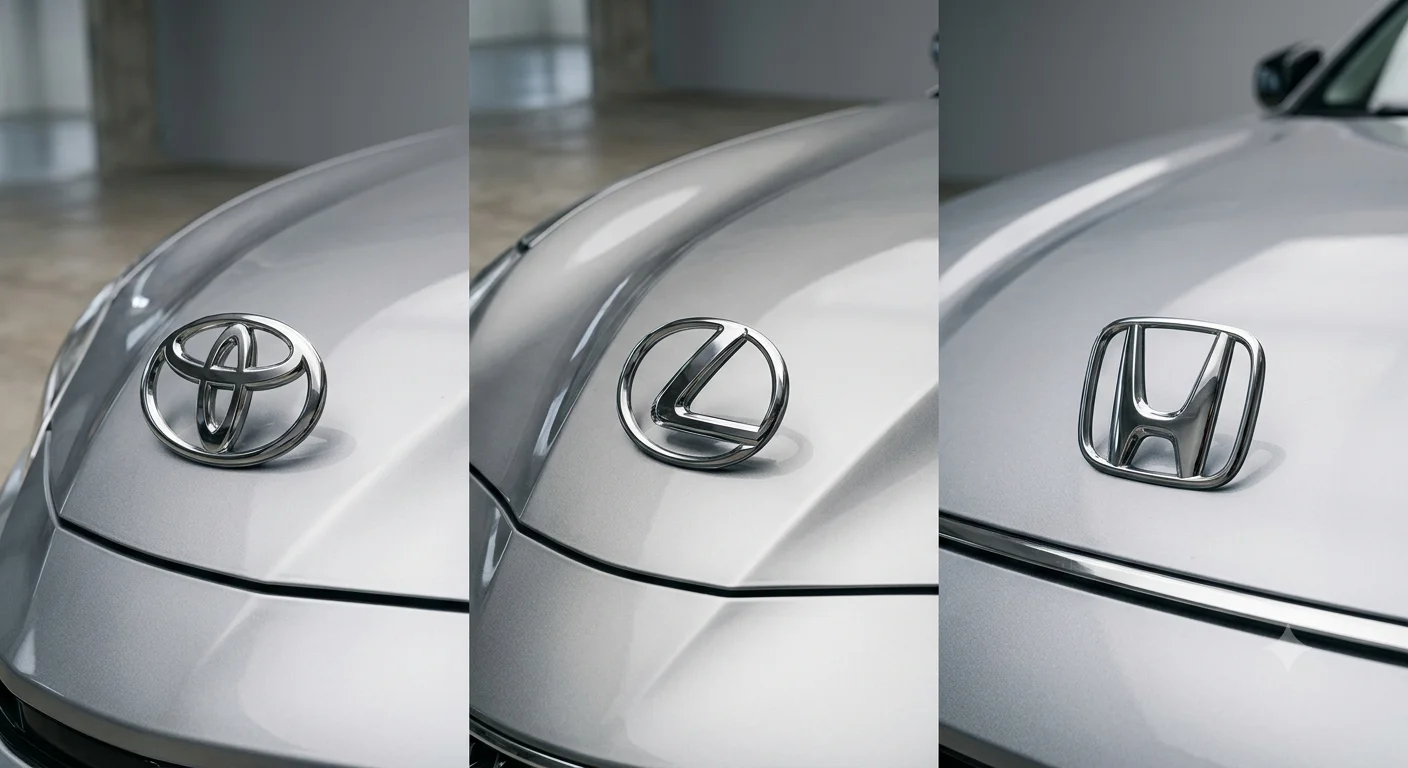
Car spare parts is only the first expense. Over the life of a vehicle, spare parts — filters, brake pads, sensors, batteries, and eventually bigger components like transmissions — often add up to more than the price tag suggests. How much you’ll pay, and how easy those parts are to find, depends heavily on which category your car falls into: economy, hybrid, electric, or luxury.
This guide breaks down real cost and quality differences across categories, so you can budget accurately and avoid paying luxury-brand prices for parts that don’t need it — or cutting corners on components where quality genuinely matters.
Economy Cars: Toyota, Suzuki, Honda, Hyundai, Kia

Which Economy Car Brands Have the Cheapest Spare Parts?
Economy cars remain the cheapest category to maintain, largely because their parts are mass-produced, widely stocked, and supported by a mature aftermarket.
- Toyota parts are inexpensive and available almost everywhere. Because Toyota has one of the largest global dealer and supplier networks of any manufacturer, even less common components rarely take long to source, and everyday items like filters, spark plugs, and brake pads are priced well below the market average.
- Suzuki is generally the most budget-friendly brand in this group. Models such as the Suzuki Alto and Suzuki Swift are known for low-cost servicing, partly because their mechanical simplicity means fewer specialized parts are needed in the first place.
- Honda sits a step above Suzuki and Toyota in price, but the trade-off is strong long-term reliability. Popular models like the Honda Civic and Honda City need fewer repairs over their lifespan, which offsets the slightly higher per-part cost.
- Hyundai and Kia have closed much of the price gap with Japanese economy brands in recent years. Models like the Hyundai Elantra and Kia Rio offer solid part availability and reasonable pricing, especially as both brands have expanded regional parts distribution.
If your priority is the lowest total cost of ownership, Toyota and Honda are generally the safest picks — good parts pricing combined with fewer breakdowns. For routine upkeep between repairs, our car maintenance tips guide and how to check your engine oil walk through the basics that keep parts replacement to a minimum.
Hybrid Cars: Toyota Prius, Honda Vezel, Hyundai Ioniq

Are Hybrid Car Spare Parts More Expensive Than Petrol/Diesel Cars?
Hybrids complicate the cost picture. Routine parts — filters, brake pads, wiper blades — cost roughly the same as on a comparable petrol car. But hybrid-specific components (the battery pack, inverter, and electric motor) are more specialized and more expensive to replace when they eventually fail.
The Toyota Prius is the most forgiving hybrid to own from a parts perspective. It’s been in production long enough, and sold in high enough volumes, that both genuine and aftermarket hybrid batteries are widely available, which keeps replacement costs more competitive than with newer hybrid platforms.
The Honda Vezel and Hyundai Ioniq are newer to many markets, so specialized parts can take longer to source and may cost more until local aftermarket suppliers catch up.
If you’re deciding between a hybrid and a conventional petrol or diesel car, it’s worth weighing fuel savings against this parts risk — our petrol vs diesel comparison is a useful starting point for that decision.
Electric Cars: Tesla, BYD, MG, Nissan Leaf
EVs remove many of the wear-and-tear parts found in combustion engines (no oil changes, no exhaust system, fewer moving parts overall), which reduces routine maintenance frequency. But when something does need replacing, the story varies a lot by brand.
- Tesla parts and out-of-warranty repairs tend to be more expensive, partly due to Tesla’s closed service network and the specialized nature of its components. On the plus side, Tesla battery packs have shown strong longevity in real-world use, often lasting many years before any significant capacity loss requires attention.
- BYD and MG are generally cheaper to maintain, with part costs often comparable to economy combustion cars. The trade-off is availability — in markets where these brands are newer, some parts can take longer to import.
- Nissan Leaf benefits from being one of the longest-running mass-market EVs, which means a more mature parts ecosystem and generally lower long-term maintenance costs than newer EV entrants.
If you’re weighing an EV purchase, our guides on electric cars, the best electric cars, and EV charging infrastructure cover the ownership picture beyond just parts costs. If you’re considering a used EV, used EV market trends is worth reading first, since battery health varies more in the used market.
Which Hybrid Car Has The Most Affordable Maintenance?
Among hybrid cars, the Toyota Prius stands out as one of the most affordable in terms of maintenance. With a well-established presence and a large availability of spare parts, maintaining a Prius is relatively easy on the wallet.
Luxury Cars: BMW, Mercedes-Benz, Audi, Porsche, Lexus

Luxury brands consistently have the highest spare parts costs, driven by specialized materials, tighter engineering tolerances, and smaller production runs per part.
BMW parts for models like the BMW 3 Series and 5 Series are priced at a premium, but build quality and component durability are generally strong.
Mercedes-Benz, including models like the S-Class and E-Class, follows a similar pattern — expensive parts, but precision engineering that many owners feel justifies the cost over the car’s lifespan.
Audi parts for models such as the Audi Q7 are priced similarly to BMW and Mercedes, with the brand’s reputation for build quality largely holding up in long-term ownership.
Porsche, unsurprisingly, sits at the top end of the price scale, especially for performance-oriented models like the 911 and Cayenne.
Lexus is the outlier here. As a Toyota-owned brand, it shares parts engineering and supply-chain efficiencies with Toyota, which makes servicing models like the Lexus RX and IS noticeably cheaper than comparable German rivals — without a major step down in build quality.
For a full breakdown of what you’re getting for the money across this segment, see our luxury cars overview.
Imported vs Local Spare Parts
Most car owners eventually face this choice. Imported (genuine, manufacturer-sourced) parts typically cost more and can take longer to arrive, especially for niche or luxury models. Local or aftermarket parts are cheaper and faster to get, but quality varies a lot by supplier — some meet original equipment (OEM) specifications closely, others don’t.
A practical rule: for safety-critical components (brakes, steering, suspension), stick with genuine or well-reviewed OEM-spec aftermarket parts. For cosmetic or low-risk components (trim, some interior parts), a reputable aftermarket option is usually fine and saves real money.
Which Category Is Cheapest to Maintain Overall?
Economy cars remain the cheapest category by a clear margin, thanks to parts affordability and availability. EVs from established brands (Nissan Leaf, and increasingly BYD) come in second, benefiting from fewer wear parts. Hybrids and luxury cars carry more cost risk — hybrids because of battery/inverter replacement, luxury cars because of premium pricing on virtually every component.
How to Identify Genuine vs Fake Spare Parts
- Buy from authorized dealers or manufacturer-approved retailers whenever possible.
- Check for the manufacturer’s logo, stamped part numbers, and consistent packaging — counterfeit parts often get these details slightly wrong.
- Compare weight and material finish against a known genuine part if you’re unsure; counterfeits frequently use cheaper materials that feel noticeably different.
- Be cautious of prices that are far below the going rate — it’s usually a sign the part isn’t genuine.
Tips for Saving Money on Spare Parts
- Compare prices across multiple suppliers before buying, especially for expensive components.
- Consider aftermarket parts that explicitly meet OEM specifications rather than always paying for genuine branding.
- Watch for seasonal discounts from parts retailers, particularly at the end of a model year.
- For anything you’re not confident diagnosing yourself, a trusted local mechanic can often source better-priced parts than a dealership.
Frequently Asked Questions About Car Spare Parts
Which car brand has the cheapest spare parts?
Among mainstream brands, Suzuki generally has the most affordable spare parts, with Toyota and Honda close behind. All three benefit from high production volumes and broad aftermarket support.
Are BMW and Mercedes-Benz spare parts really that expensive?
Yes. Both brands use specialized materials and tighter manufacturing tolerances, which raises production costs for individual parts. The trade-off is generally longer part lifespan and stronger build quality.
Which hybrid car is the most cost-effective to maintain?
The Toyota Prius is typically the cheapest hybrid to maintain, largely because it has the widest availability of both genuine and aftermarket parts, including hybrid batteries.
Is maintaining an electric car cheaper than a petrol car?
Usually, yes, for routine maintenance — EVs have fewer moving parts and no oil changes or exhaust system to service. The exception is if a major component like the battery pack needs replacement outside of warranty, which can be a significant one-time cost.
How do I choose between genuine and aftermarket spare parts?
For safety-critical parts (brakes, suspension, steering), genuine or certified OEM-spec aftermarket parts are the safer choice. For lower-risk components, a reputable aftermarket part can offer solid savings without a meaningful drop in quality.
Do luxury car spare parts lose value or become harder to find over time?
Not usually for mainstream luxury models like the 3 Series or C-Class, since parts networks stay well-stocked for years. Rare or limited-production luxury models can see both price increases and longer wait times as the car ages.
Is it cheaper to buy spare parts locally or import them?
Local parts are typically cheaper and faster to obtain, but quality can vary by supplier. Imported genuine parts cost more and take longer but offer more consistent quality — worth it for critical components, less necessary for minor ones.
References & Further Reading
- ASE-certified professionals” or “standardized automotive repair practices.
- If you want to add weight to your section on parts manufacturing or sustainability in the European market.
- A great reference for your “Genuine vs. Aftermarket” section, especially when discussing warranty benefits and OEM specs in the UK.