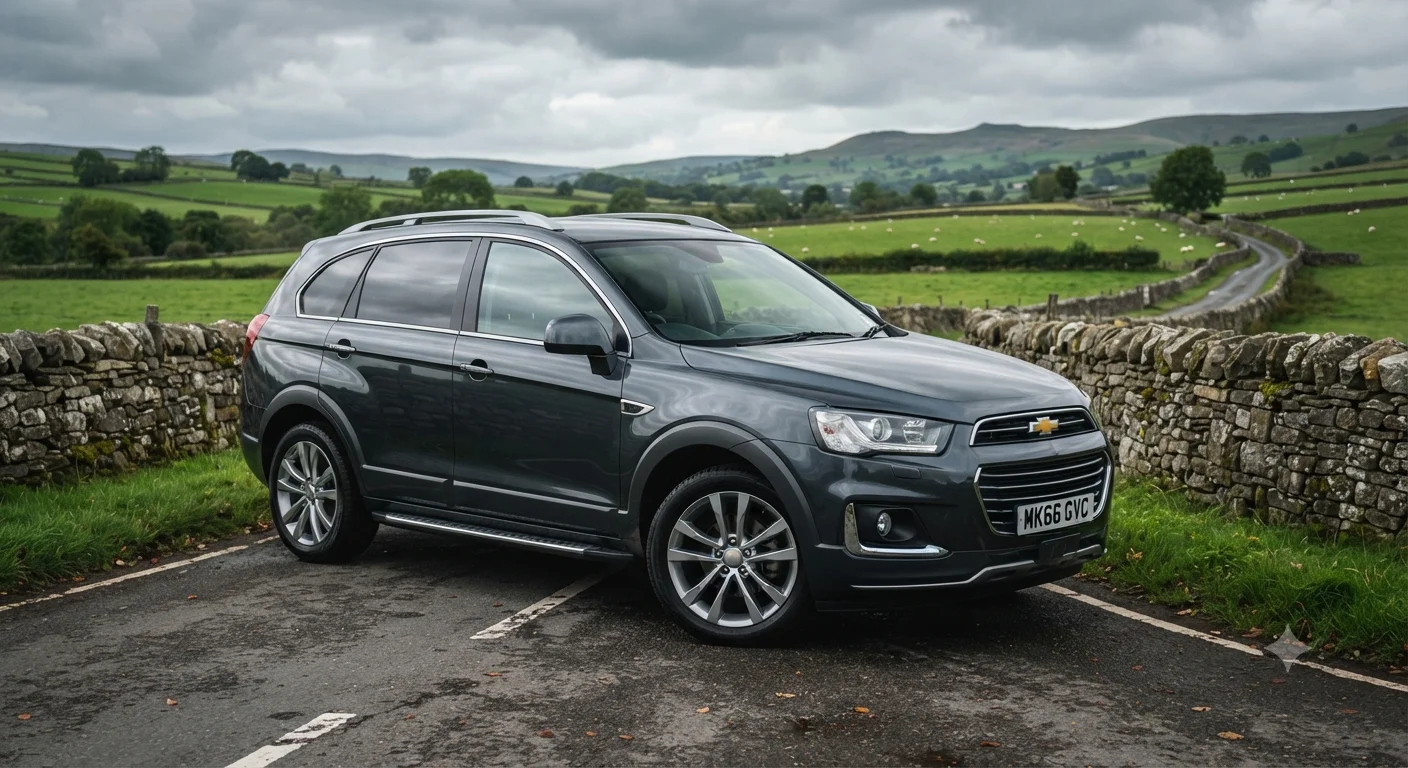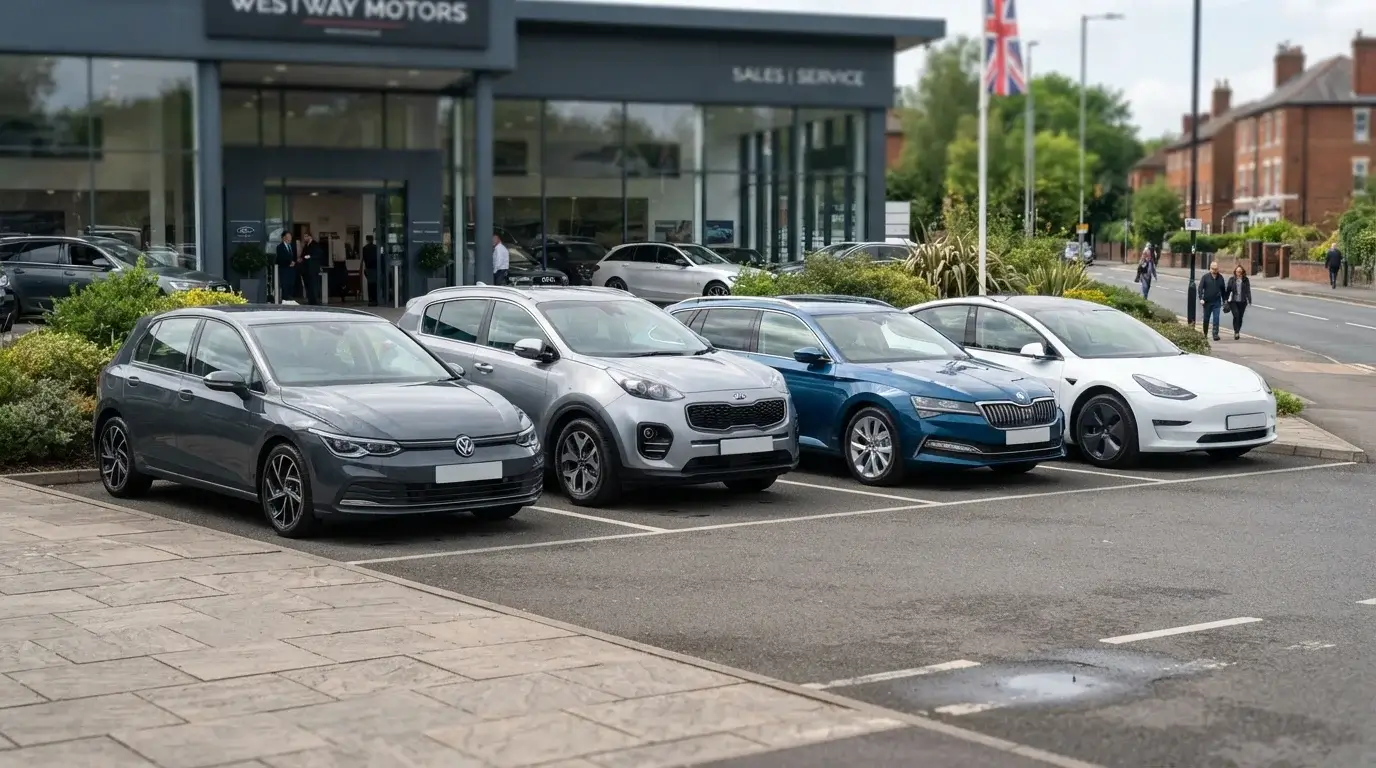
The best cars to buy in the UK are those that balance low running costs, strong reliability, and safety ratings suited to your driving needs not simply the most popular or expensive model. Choosing the right one isn’t just about the badge on the bonnet; it’s about matching a vehicle to your budget, driving habits, and lifestyle for the next several years.
This guide breaks down exactly how to do that, using UK-specific costs, safety data, and practical advice based on how cars actually perform on British roads.
What Makes a Car “One of the Best Cars to Buy”?
In short: The best cars to buy combine strong reliability, reasonable running costs, good safety ratings, and a fit for your specific lifestyle there’s no single “best” car for everyone.
A car that suits a retired couple doing 4,000 miles a year looks very different from one suited to a family covering 15,000 motorway miles annually. When motoring journalists and consumer bodies like What Car?, Auto Trader, and Which? rank vehicles, they typically weigh up:
- Reliability — how often the car needs unscheduled repairs
- Running costs — fuel/energy, insurance, road tax (VED), servicing
- Safety — Euro NCAP crash test ratings and driver-assist tech
- Practicality — boot space, seating, ease of parking
- Resale value — how well the car holds its price
- Comfort and drivability — ride quality, refinement, ease of use
None of these factors matter in isolation. A cheap-to-buy car with poor reliability can end up costing more over five years than a pricier, dependable one.
How to Choose the Right Car for You?

Start with your budget, your annual mileage, and your household needs before you look at specific models.
Before browsing listings, answer these questions honestly:
- What’s your total budget? Include insurance, fuel/energy, and servicing, not just the purchase price.
- How many miles do you drive a year? High-mileage drivers often benefit more from diesel or hybrid; low-mileage drivers may find an EV or petrol more cost-effective.
- Who travels with you? Young children need ISOFIX points and easy-access rear doors; larger families need boot space and seating flexibility.
- Where do you park? Tight streets and multi-storey car parks favour smaller cars; rural driving may call for higher ground clearance.
- Do you have off-street parking or a driveway? This affects whether an electric car is realistic for home charging.
Quick Decision Table
| Your Situation | Likely Best Fit |
|---|---|
| City commuter, low mileage | Small hatchback or EV |
| Family with young children | Compact SUV or estate |
| High-mileage motorway driver | Hybrid or diesel |
| No driveway, flat/terraced house | Petrol or hybrid (charging access limited) |
| Retired, occasional driving | Used petrol hatchback |
| Business user/company car | Plug-in hybrid or EV (tax advantages) |
Best Cars to Buy by Category
In short: The “best” choice depends on category city cars, family SUVs, estates, and EVs each have clear UK front-runners known for dependability and value.
Best City Cars

City cars prioritise easy parking, low running costs, and manoeuvrability. Models like the Volkswagen Polo, Toyota Aygo X, and Hyundai i10 are consistently praised in the UK for their reliability and low insurance groups, making them popular first cars.
Best Family Cars

Families tend to gravitate toward compact SUVs and estate cars for their blend of space and everyday usability. The Skoda Octavia Estate, Kia Sportage, and Nissan Qashqai are frequently recommended in UK reviews for their practicality, generous warranties, and strong resale values.
Best Small SUVs

Small SUVs remain one of the UK’s fastest-growing segments. The Ford Puma, Toyota Yaris Cross, and Skoda Kamiq are commonly highlighted for combining SUV styling with hatchback-level running costs.
Best Electric Cars

For buyers with home charging, EVs offer low running costs and reduced company car tax. The MG4, Kia Niro EV, and Hyundai Kona Electric are frequently cited by UK reviewers as strong value entry points into electric motoring.
Best Hybrid Cars

Hybrids suit drivers who want reduced fuel bills without committing to full EV ownership. The Toyota Corolla, Honda Jazz, and Toyota RAV4 have long-standing reputations for hybrid reliability in the UK market.
New vs Used: Which Should You Choose?

In short: New cars offer warranty peace of mind and the latest safety tech; used cars offer significantly better value, since cars typically lose 40–60% of their value in the first three years.
| Factor | New Car | Used Car |
|---|---|---|
| Upfront cost | Higher | Lower |
| Depreciation | Steep in year one | Slower, already absorbed |
| Warranty | Full manufacturer cover | Often limited/expired |
| Latest safety tech | Yes | Depends on age |
| Finance options | PCP/HP widely available | Available, higher APR typically |
| Condition certainty | Guaranteed | Requires inspection/history check |
Expert tip: If budget is tight, a nearly-new car (1–3 years old) often gives you most of the benefits of a new car recent tech, remaining warranty at a meaningfully lower price, since the steepest depreciation has already happened.
Petrol, Diesel, Hybrid or Electric?
In short: Petrol suits low-mileage drivers, diesel still suits high-mileage motorway users, hybrids balance the two, and electric cars make the most financial sense for drivers with home charging.
Comparison Table
| Fuel Type | Best For | Approx. Cost per Mile (UK, 2026 estimates) | Pros | Cons |
|---|---|---|---|---|
| Petrol | Low mileage, city driving | Moderate | Cheaper to buy, widely available | Higher running cost at high mileage |
| Diesel | High-mileage, motorway | Lower per mile at high mileage | Efficient long-distance | Higher purchase price, urban ULEZ concerns |
| Hybrid | Mixed driving | Lower than petrol | No charging needed, lower emissions | Higher upfront cost than petrol |
| Electric (EV) | Home-charging drivers | Lowest (with home charging) | Very low running cost, low company car tax | Higher purchase price, charging access varies |
Note: exact pence-per-mile figures vary with fuel and electricity prices, so treat these as general guidance rather than fixed numbers.
Running Costs in the UK
Total running costs include insurance, road tax (VED), fuel or electricity, servicing, and MOT and these vary significantly by car size, engine, and insurance group.
What Affects UK Running Costs
- Insurance group — smaller engines and cars with strong safety ratings usually sit in lower groups
- VED (road tax) — based on CO2 emissions for petrol/diesel cars registered after April 2017; most fully electric cars now attract VED too, following recent UK rule changes
- Fuel/electricity prices — fluctuate regularly; check current rates via GOV.UK or the RAC Fuel Watch
- Servicing and parts — mainstream brands (Toyota, Kia, Skoda) are generally cheaper to maintain than premium brands
- MOT costs — required annually from a car’s third year; typically £30–£55 for the test itself, with the DVSA setting the maximum fee
Practical advice: Get an insurance quote before buying, not after. Two similar-looking cars can sit in very different insurance groups, and that difference can outweigh any savings on the purchase price.
Reliability and Common Problems to Watch For
Reliability data from UK surveys (such as the annual What Car? Reliability Survey) consistently shows Japanese and Korean brands particularly Toyota, Lexus, and Kia scoring above the industry average.
Common Problems by Car Age
| Car Age | Typical Issues |
|---|---|
| 0–3 years | Minor electrical faults, infotainment glitches |
| 3–7 years | Battery wear, suspension components, brake wear |
| 7+ years | Clutch/gearbox wear, exhaust and emissions parts, corrosion |
Signs of a Problem Car When Buying Used
- Uneven tyre wear (suggests alignment or suspension issues)
- Warning lights that reset suspiciously quickly
- Patchy service history with gaps
- Fresh paint or filler around panel edges (possible accident repair)
- Engine oil that’s dark, low, or smells burnt
Expert tip: Always run an HPI check (or equivalent vehicle history check) before buying a used car in the UK — it flags outstanding finance, previous write-offs, and mileage discrepancies that a visual inspection won’t catch.
Safety Features to Look For

Prioritize cars with a five-star Euro NCAP rating and modern driver-assistance systems, which have become standard on most cars built from the mid-2020s onward.
Key features to check for:
- Autonomous Emergency Braking (AEB)
- Lane Keep Assist
- Adaptive Cruise Control
- Blind Spot Monitoring
- Rear-view camera or parking sensors
- ISOFIX child seat mounts
You can check any car’s official crash test rating on the Euro NCAP website before buying it’s free and covers most mainstream models sold in the UK.
Maintenance Tips to Protect Your Investment
In short: Sticking to the manufacturer’s service schedule, checking tyre pressures monthly, and addressing warning lights promptly are the three habits that most affect a car’s long-term reliability.
- Service on schedule — don’t stretch intervals to save money; it often costs more later.
- Check tyre pressure and tread monthly — under-inflated tyres increase fuel use and wear unevenly.
- Keep fluids topped up — oil, coolant, and screenwash should be checked regularly, especially before long trips.
- Don’t ignore the dashboard — a warning light left unchecked can turn a £50 fix into a £500 one.
- Wash the underbody in winter — road salt accelerates corrosion, particularly on older cars.
- Store the service book/digital record — it protects resale value and warranty claims.
Sample Maintenance Schedule
| Interval | Task |
|---|---|
| Monthly | Tyre pressure, tread depth, lights check |
| Every 6 months | Fluid levels, wiper blades |
| Annually | Full service, MOT (from year 3) |
| Every 2 years | Brake fluid change (most manufacturers) |
| Every 5 years or per manual | Timing belt (if applicable) |
Buying Guide: Step-by-Step
Set a budget, shortlist 2–3 models, test drive each, check history and paperwork, negotiate, then complete the purchase with a written contract.
- Set your total budget — including insurance and running costs, not just price.
- Shortlist 2–3 models that fit your category and mileage needs.
- Read UK-specific reviews from sources like What Car?, Auto Express, or Which?
- Book test drives — drive each shortlisted car on roads similar to your daily route.
- Check the vehicle history — HPI check for used cars, full service history for both new and used.
- Inspect in daylight — look for panel gaps, rust, and tyre wear.
- Negotiate the price — used car prices are almost always negotiable.
- Review the paperwork — V5C logbook, service history, MOT certificates.
- Arrange insurance before collection — you can’t legally drive it home without cover.
- Complete the purchase with a written receipt or contract confirming the sale terms.
Mistakes to Avoid When Buying a Car
- Buying on price alone without checking insurance group or running costs
- Skipping the test drive, especially on motorways if that’s your main use
- Ignoring the service history of a used car
- Ignoring depreciation — some cars lose value far faster than others
- Not checking finance settlement — always confirm there’s no outstanding finance on a used car
- Rushing the decision under sales pressure
Myths vs Facts
| Myth | Fact |
|---|---|
| “Diesel is always cheaper to run” | Only true for high-mileage drivers; petrol/hybrid is often cheaper for low mileage |
| “Electric cars are too expensive to insure” | Insurance costs have narrowed significantly and vary by model, not just fuel type |
| “Low mileage always means a better used car” | A well-maintained higher-mileage car can be a better buy than a neglected low-mileage one |
| “New cars are always more reliable” | Some used models with a strong track record outperform brand-new, unproven ones |
| “You don’t need an HPI check on a cheap car” | Cheap cars are just as likely to carry outstanding finance or hidden history |
Buying Checklist
Use this before you commit to any purchase:
- Total budget confirmed (including insurance and running costs)
- Insurance quote obtained
- Model shortlist finalised
- Test drive completed
- Vehicle history/HPI check done (used cars)
- Service history reviewed
- Euro NCAP safety rating checked
- V5C logbook verified
- MOT history checked
- Finance/settlement figure confirmed
- Written sale agreement obtained
Conclusion

There’s no single answer to “what’s the best car to buy” the right choice depends on your mileage, budget, household, and where you park overnight. What stays constant is the approach: check reliability data, understand the real running costs, verify the vehicle’s history, and test drive before you commit.
Do that consistently, and you’ll end up with a car that suits your life for years, not just one that looked good in the listing photos.
Call to Action
Ready to narrow down your shortlist? Compare insurance quotes, check Euro NCAP ratings for your top picks, and book test drives for at least two models before making a final decision a little extra research now saves real money later.
Frequently Asked Question
What is the best car to buy in the UK right now?
There’s no single “best” car it depends on budget, mileage, and household needs. Small hatchbacks suit city driving, while SUVs and estates suit families.
How much does it cost to run a car in the UK per year?
Running costs vary widely, but typically include insurance, road tax (VED), fuel or electricity, servicing, and MOT often totaling well over £1,000–£2,000 annually depending on the car and mileage.
Is it better to buy a new or used car?
Used cars offer better value due to depreciation already being absorbed; new cars offer full warranty and the latest tech. Nearly-new (1–3 years old) often offers the best balance.
Are electric cars worth buying in 2026?
For drivers with home charging access and a mostly local commute, EVs can offer lower running costs and reduced company car tax. They’re less ideal for those without off-street parking.
What is the most reliable car brand in the UK?
Annual UK reliability surveys, including What Car’s, consistently rank Toyota, Lexus, and Kia among the most dependable brands.
How do I check if a used car has outstanding finance?
Run an HPI check or equivalent vehicle history check, which reveals outstanding finance, previous write-offs, and mileage discrepancies.
What safety features should I look for when buying a car?
Look for a five-star Euro NCAP rating, autonomous emergency braking, lane keep assist, and ISOFIX child seat mounts.
Is diesel worth buying in 2026?
Diesel still suits high-mileage motorway drivers, but it’s less cost-effective for low-mileage or predominantly urban driving compared with petrol or hybrid.
How often should I service my car?
Follow the manufacturer’s recommended schedule, typically annually or every 10,000–12,000 miles, whichever comes first.
What’s the cheapest car to insure in the UK?
Smaller-engine city cars like the Volkswagen Polo, Toyota Aygo X, and Hyundai i10 generally sit in lower insurance groups, though your quote will depend on your personal circumstances too.
Do I need an MOT test for a new car?
No MOT testing is required from a car’s third anniversary of registration, not before.
What documents do I need when buying a used car?
You should receive the V5C logbook, service history, MOT certificates, and a written receipt confirming the sale.
Is a hybrid car worth the extra cost over petrol?
For drivers doing regular mixed or urban driving, hybrids can offset the higher purchase price through fuel savings over a few years; low-mileage drivers may not recoup the difference as quickly.
How much do cars depreciate in the UK?
Most new cars lose roughly 40–60% of their value within the first three years, which is why nearly-new and used cars often represent better value.
Should I buy a car on finance or pay cash?
This depends on your financial circumstances finance (PCP/HP) spreads cost but typically includes interest, while cash avoids interest but ties up capital. It’s worth comparing total cost, not just monthly payments, and this isn’t financial advice, so consider speaking to an independent financial adviser for larger commitments.