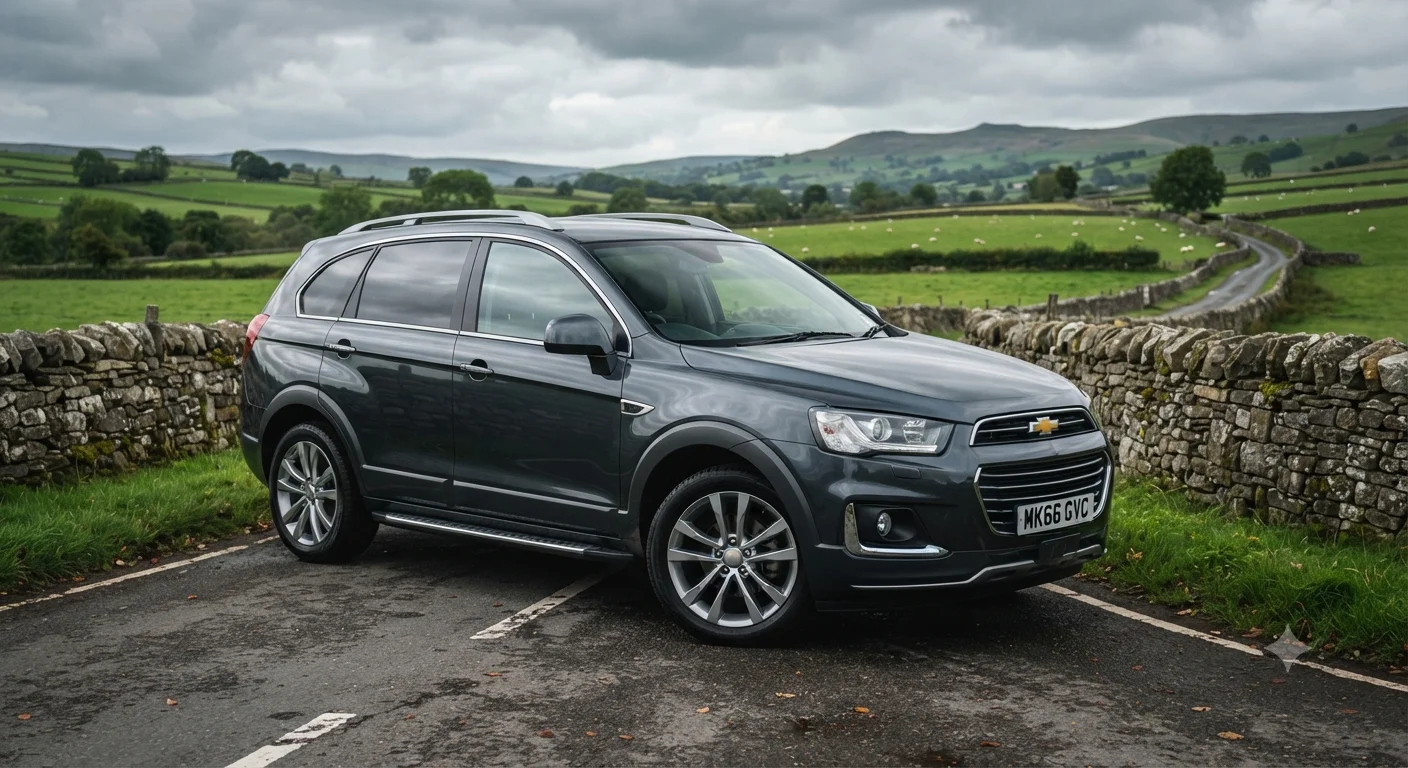
Leasing a car has become one of the most popular ways for UK drivers to get behind the wheel of a new vehicle without the large upfront cost of buying outright. If you’ve been searching for how to lease a car in the UK, this guide walks you through the entire process, from understanding what leasing actually means to signing your contract and driving away.
Quick answer: To lease a car in the UK, you choose a vehicle, agree a contract length and mileage allowance, pass a credit and affordability check, pay an initial rental (usually 3–12 months’ worth of payments upfront), then make fixed monthly payments for the rest of the term. At the end, you simply hand the car back you never own it.

1. What Does It Mean to Lease a Car?

Direct answer: Leasing a car means renting a brand-new (or nearly new) vehicle for a fixed period, usually 2–4 years, in exchange for a fixed monthly payment. You never own the car at the end of the agreement, you return it to the leasing company.
This is often called Personal Contract Hire (PCH) when arranged for private individuals, or Business Contract Hire (BCH) for companies and sole traders. It’s essentially a long-term rental agreement with a set mileage limit and condition expectations.
Unlike buying, there’s no large lump sum needed and no depreciation risk to worry about, since you’re simply handing the car back at the end. If you’re weighing up leasing against buying outright, our guide to new cars in the UK is a useful starting point.
2. How Does Car Leasing Work?

Direct answer: You choose a car, agree the contract length and annual mileage, pay an initial rental, then make fixed monthly payments. At the end of the term, you return the car with no further obligation (as long as it’s within the agreed mileage and condition).
Here’s the typical process:
- Choose your car and specification – Model, trim level, colour, and optional extras.
- Select your contract terms – Usually 24, 36, or 48 months, with an annual mileage allowance (commonly 5,000–15,000 miles).
- Pass a credit check – The leasing company checks your credit history and affordability.
- Pay the initial rental – Typically equivalent to 3, 6, 9, or 12 monthly payments, paid upfront.
- Make fixed monthly payments – The same amount each month for the length of the contract.
- Return the car at the end – Subject to a fair wear and tear inspection.
3. Types of Car Leasing in the UK

Direct answer: The two main types are Personal Contract Hire (PCH) for individuals and Business Contract Hire (BCH) for companies, with the key difference being VAT treatment and who the contract is registered to.
| Type | Who It’s For | Key Feature |
|---|---|---|
| Personal Contract Hire (PCH) | Private individuals | Fixed monthly payments; VAT included in the price |
| Business Contract Hire (BCH) | Sole traders, limited companies | VAT can often be partly reclaimed; usually needs the vehicle to be used for business |
| Personal Contract Purchase (PCP) | Individuals wanting the option to buy | Not technically a lease — includes an optional final “balloon” payment to own the car |
| Salary Sacrifice Car Leasing | Employees through their employer | Payments taken from gross salary, often used for electric vehicles for tax efficiency |
4. Benefits of Leasing a Car
Direct answer: Leasing offers lower upfront costs, fixed monthly payments, access to newer cars, and no worries about depreciation or reselling the vehicle.
- Lower initial outlay – No need to find tens of thousands of pounds upfront.
- Predictable monthly costs – Fixed payments make budgeting easier.
- Drive a newer car more often – Swap to a new model every few years.
- No depreciation risk – The leasing company absorbs the resale value loss.
- Often includes warranty cover – Most lease cars stay within the manufacturer’s warranty period.
- Optional maintenance packages – Some deals bundle servicing and tyres into the monthly cost.
5. How to Lease a Car in the UK: Step-by-Step

Direct answer: The process involves choosing a car, comparing leasing companies, applying with proof of income and ID, agreeing the contract, paying the initial rental, and arranging delivery or collection.
- Decide on your budget – Work out what monthly payment is comfortable alongside insurance and fuel/electricity costs.
- Choose your ideal car and specification – Compare different brokers and direct leasing companies.
- Select mileage and contract length – Be realistic about how many miles you actually drive each year.
- Get a quote – Compare multiple leasing brokers for the best price on the same car. Our guide to top car marketplaces in the US and UK can help you find reputable places to start comparing.
- Submit your application – This typically requires proof of address, driving licence, and income details.
- Pass the credit check – The provider assesses your creditworthiness and affordability.
- Sign the contract – Read the terms carefully, especially mileage limits and excess mileage charges.
- Pay your initial rental – This is due before the car is delivered.
- Take delivery of your car – Most companies deliver directly to your home or workplace.
- Arrange insurance before collection – You must have valid car insurance from day one.
6. What You Need to Lease a Car
Direct answer: You’ll typically need a valid UK driving licence, proof of address, proof of income, a good credit history, and the initial rental payment.
- Valid car insurance arranged for collection day – See our guide on understanding your insurance premium to help budget for this correctlyuying outright, our used vs. new cars comparison breaks down the ownership trade-offs in more detail.
- Full UK (or EU/international) driving licence
- Proof of address – Recent utility bill or bank statement
- Proof of income – Payslips, bank statements, or accountant’s reference if self-employed
- A reasonable credit score – Most providers require a decent credit history, though some specialise in bad credit leasing
- Deposit/initial rental funds – Usually the biggest single cost in the process
7. Costs of Leasing a Car in the UK

Direct answer: Monthly lease payments typically range from £150 for a small city car to £600+ for a premium SUV or electric vehicle, with an initial rental usually costing 3–12 times the monthly payment.
| Cost Item | Typical UK Range |
|---|---|
| Small hatchback (e.g. city car) | £150–£280/month |
| Family car/mid-size SUV | £250–£450/month |
| Premium/executive car | £400–£700/month |
| Electric vehicle | £250–£600/month (varies by model and government incentives) |
| Initial rental (upfront) | 3–12x monthly payment |
| Excess mileage charge | 5p–30p per mile over the agreed limit |
| Admin/processing fee | £0–£300 (varies by provider) |
| End-of-lease damage charges | Based on the industry Fair Wear and Tear guide |
Prices vary significantly based on the car’s make, model, contract length, mileage allowance, and initial rental amount. Always compare quotes from several brokers, since the same car can vary in price between providers. If you’re considering going electric, our overview of electric cars explains how running costs and incentives can affect your monthly lease price.
8. Leasing vs Buying vs PCP: Which Is Best?

Direct answer: Leasing suits people who want lower monthly costs and enjoy switching cars regularly, buying suits those who want long-term ownership, and PCP sits in between, offering the option to purchase the car at the end.
| Feature | Leasing (PCH) | Buying Outright | PCP |
|---|---|---|---|
| Ownership | Never own the car | Own it immediately | Optional ownership at the end |
| Upfront cost | Low–medium | High | Medium |
| Monthly cost | Fixed, often lower | None (after purchase) | Fixed, often higher than leasing |
| Flexibility to change cars | High | Low | Medium |
| Mileage restrictions | Yes | No | Yes |
| End of term | Return the car | Keep the car | Return, pay balloon payment, or part-exchange |
Still unsure whether leasing or buying suits you better? Our detailed comparison of used cars vs new cars breaks down the long-term cost differences in more depth.
9. Common Problems and How to Avoid Them
Direct answer: The most common leasing problems are exceeding the mileage allowance, damage charges at return, and being locked into a contract that no longer suits your needs.
| Problem | How to Avoid It |
|---|---|
| Excess mileage charges | Choose a realistic mileage allowance from the start, not the cheapest option |
| End-of-lease damage fees | Follow the Fair Wear and Tear guide and consider a maintenance package |
| Early termination costs | Understand exit clauses before signing; leasing is hard to exit early without a fee |
| Unexpected admin fees | Ask for a full breakdown of all fees before signing |
| Insurance gaps | Arrange insurance to start exactly on the delivery date |
10. Mistakes to Avoid When Leasing
- Choosing the lowest advertised price without checking the total contract cost – Some deals hide costs in admin fees.
- Underestimating your annual mileage – Excess mileage charges can add up quickly.
- Skipping the small print on wear and tear standards – This determines what counts as chargeable damage.
- Not comparing multiple brokers – Prices for the same car can vary by hundreds of pounds a year.
- Ignoring maintenance package options – Servicing and tyres can be a large unexpected cost if not included.
- Leasing without checking early termination terms – Life circumstances change, and exiting early can be costly.
11. Maintenance and End-of-Lease Responsibilities

Direct answer: You’re responsible for servicing, insurance, tax (usually included), tyres, and keeping the car within the agreed condition and mileage failing to do so can result in charges when the car is returned.
- Servicing – Must be done according to the manufacturer’s schedule, often at an approved garage. Our car maintenance tips for UK drivers guide covers what to expect between services.
- Insurance – Comprehensive cover is required for the full lease term.
- Road tax – Usually included in the monthly payment on most PCH deals.
- Tyres and general wear – Must meet legal tread depth and reasonable condition standards.
- Fair Wear and Tear guide – The British Vehicle Rental and Leasing Association (BVRLA) publishes standards used to assess returned vehicles.
- End-of-lease inspection – An independent inspector checks the car against these standards before final sign-off. It’s also worth checking our UK MOT test guide, since roadworthiness standards follow similar principles.
12. Buying Guide: Choosing the Right Lease Deal
Direct answer: Compare the total contract cost (not just the monthly price), check mileage allowances realistically, confirm what’s included (servicing, breakdown cover), and always read the small print on damage charges.
What to check before signing:
- Total cost of the contract, including the initial rental
- Mileage allowance versus your actual annual driving habits
- Whether maintenance/servicing is included or optional
- The provider’s BVRLA membership (a sign of industry standard compliance)
- Delivery timescale and any early exit clauses
13. Expert Tips for Getting the Best Deal
- Compare multiple leasing brokers, not just one website prices can differ significantly for the same model.
- Choose a higher initial rental if you can afford it, as this lowers the monthly payments overall.
- Be honest about your mileage needs it’s usually cheaper to pay slightly more upfront for a realistic allowance than to pay excess mileage fees later.
- Check if a maintenance package works out cheaper than paying for servicing and tyres separately.
- Read reviews of the specific leasing company, not just the car brand, since service quality varies between providers.
- If you’re considering an EV lease, check our roundup of the best electric cars to see which models currently offer the strongest value for money.
14. Pros and Cons of Car Leasing
| Pros | Cons |
|---|---|
| Lower upfront cost than buying | You never own the car |
| Fixed, predictable monthly payments | Mileage restrictions apply |
| Access to newer models more often | Early termination can be costly |
| Often includes warranty cover | Charges apply for damage beyond fair wear and tear |
| No resale hassle | Long-term cost may exceed buying outright over many years |
15. Myths vs Facts
| Myth | Fact |
|---|---|
| “Leasing is always cheaper than buying.” | It depends on the term length and how long you’d otherwise keep a car — leasing can cost more over many years compared with buying and keeping a car long-term. |
| “You can’t lease a car with average credit.” | Many providers cater to a range of credit profiles, though rates and deposits may differ. |
| “You have to return the car in perfect condition.” | The BVRLA Fair Wear and Tear guide allows for reasonable, expected wear. |
| “Leasing always includes servicing.” | Only if you choose (and often pay extra for) a maintenance package it’s not automatic. |
16. Leasing Checklist
- Worked out a realistic monthly budget
- Compared quotes from at least 3 leasing brokers
- Chosen a mileage allowance that matches actual driving habits
- Checked whether servicing/maintenance is included
- Confirmed the provider is BVRLA registered
- Arranged insurance to start on delivery day
- Read the early termination and damage charge policies
- Checked total contract cost, not just the monthly figure
Frequently Asked Questions
How does leasing a car work in the UK?
You choose a car, agree a contract length and mileage allowance, pass a credit check, pay an initial rental, then make fixed monthly payments before returning the car at the end of the term.
How much does it cost to lease a car in the UK?
Monthly payments typically range from around £150 for a small car to £600 or more for a premium or electric vehicle, plus an initial rental of 3–12 months’ payments upfront.
Is it worth leasing a car instead of buying?
It depends on your priorities leasing suits people who want lower upfront costs and enjoy driving newer cars regularly, while buying suits those planning to keep a car for many years.
Do you need good credit to lease a car?
A reasonable credit score helps secure the best rates, though some providers offer options for people with less-than-perfect credit history.
Can I end a car lease early?
Yes, but it usually involves an early termination fee, so it’s important to check these terms before signing.
What happens if I go over the mileage limit?
You’ll be charged an excess mileage fee, typically ranging from 5p to 30p per mile over your agreed allowance.
Is insurance included when leasing a car?
No, you are responsible for arranging your own comprehensive car insurance for the full lease period.
What is the difference between PCH and PCP?
PCH (Personal Contract Hire) is a pure lease with no ownership option, while PCP (Personal Contract Purchase) includes an optional final payment to buy the car.
Do I own the car at the end of a lease?
No, with Personal Contract Hire you simply return the car at the end of the agreement — there is no ownership option.
What documents do I need to lease a car?
You’ll typically need a valid driving license, proof of address, proof of income, and a credit check will be carried out.
Can I lease a car with no deposit?
Some providers offer low or no-deposit deals, though this usually results in higher monthly payments.
What happens to damage on a leased car?
Damage beyond the BVRLA’s Fair Wear and Tear guide will typically incur a repair charge at the end of the lease.
Is road tax included in a car lease?
Yes, in most Personal Contract Hire agreements, road tax is included in the monthly payment for the length of the contract.
Can businesses lease cars in the UK?
Yes, through Business Contract Hire, which often allows VAT to be partly reclaimed if the vehicle is used for business purposes.
How long can you lease a car for?
Most UK car leases run for 24, 36, or 48 months, though some providers offer shorter or longer terms depending on the vehicle.
Conclusion

How to Leasing a car in the UK? Can be a straightforward, cost-effective way to drive a newer vehicle without the large upfront cost of buying. By understanding the process, comparing quotes carefully, and choosing a realistic mileage allowance, you can avoid common pitfalls and find a deal that genuinely suits your budget and lifestyle.
Call to Action: Ready to compare leasing deals? Get quotes from multiple UK leasing brokers side by side before you sign anything, so you know you’re getting the best possible price for your next car.