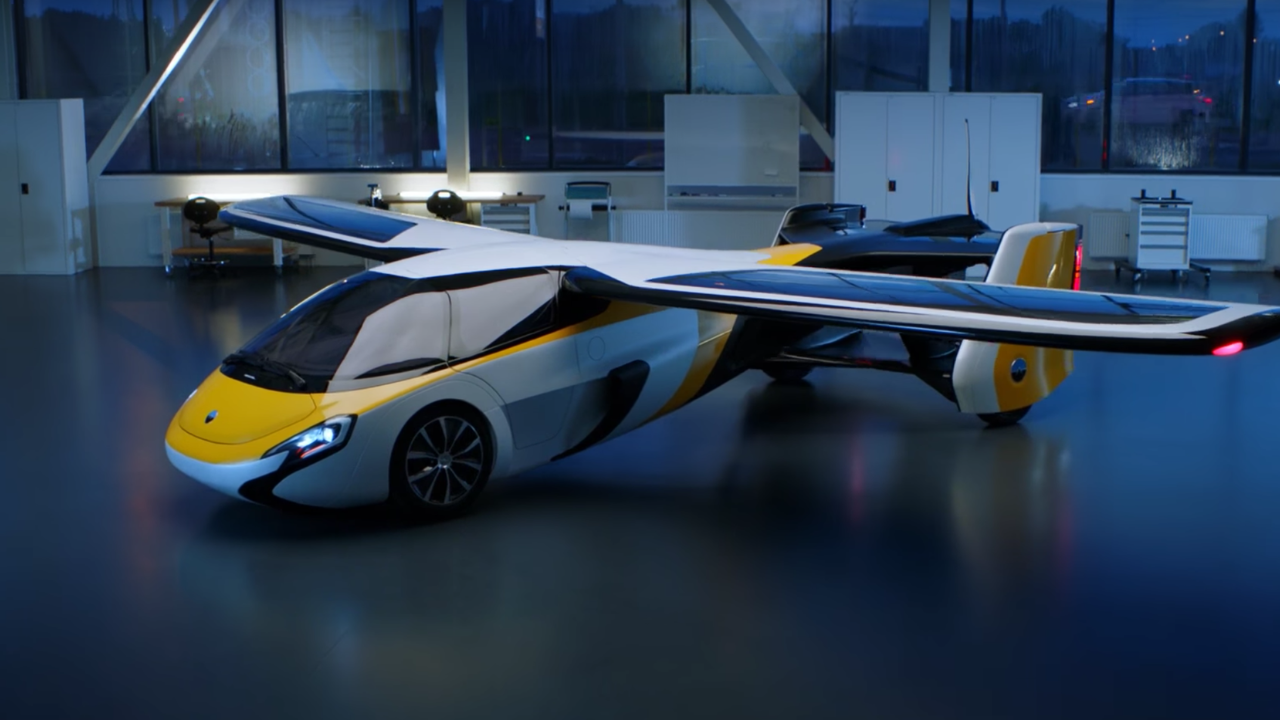
Future car sound like science fiction, but as of 2026, they’re not a prediction anymore they’re already carrying paying passengers in parts of the world. This guide breaks down what’s actually flying today, what’s realistically coming by 2027 and 2030, and separates genuine progress from decades-old hype.
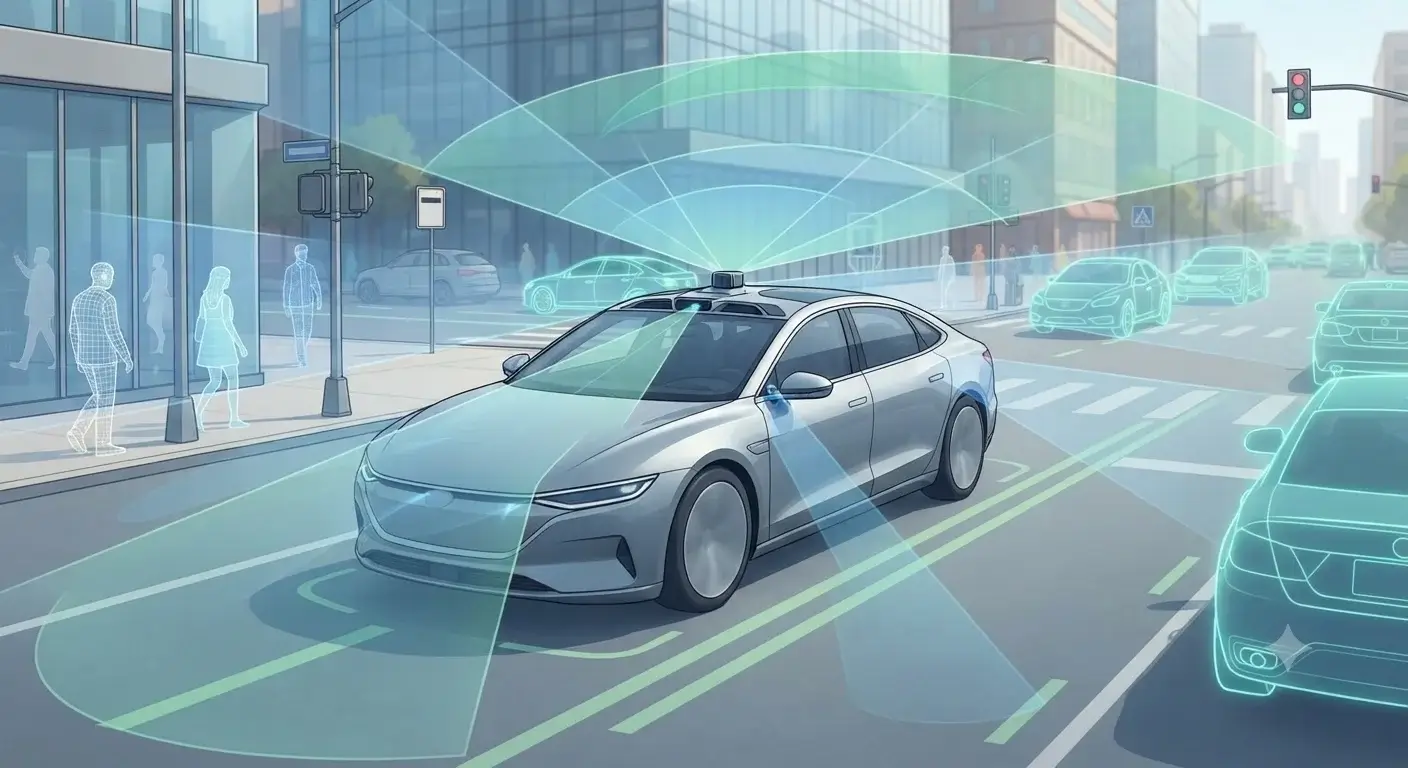
For context on where ground vehicles stand today, see our broader future of cars overview and our look at autonomous vehicle adoption.
Quick Answer
- Right now (2026): Commercial autonomous flying taxis are already operating in Guangzhou, China (EHang), and piloted air taxi service has launched in Dubai (Joby/Uber Air).
- 2026–2027: The US is expected to see its first commercial eVTOL flights under the FAA’s pilot program, in cities including New York, Los Angeles, Dallas, and Miami.
- 2030: Wider urban air taxi networks are expected in multiple major cities, though personal ownership (versus ride-hailing style access) will likely still be limited.
- Beyond 2030–2040: Broader adoption depends on cost reduction, air traffic infrastructure, and public trust not just the technology, which already works.
What “Flying Cars” Actually Are In 2026?
The flying cars of 2026 don’t look like the sci-fi image of a car that sprouts wings they’re eVTOL aircraft (electric vertical takeoff and landing), which take off and land vertically like a helicopter but fly more efficiently using multiple electric rotors. Most current designs are purpose-built passenger aircraft rather than road-legal vehicles that also fly.
The technology itself isn’t the bottleneck anymore the physics has been proven. What’s determined the timeline has been aviation certification, infrastructure (landing pads, charging), and public trust. It’s a similar adoption curve to what we’ve tracked with EV charging infrastructure the tech works, but the surrounding ecosystem takes years to catch up.
Future Car Are Already Flying 2026?
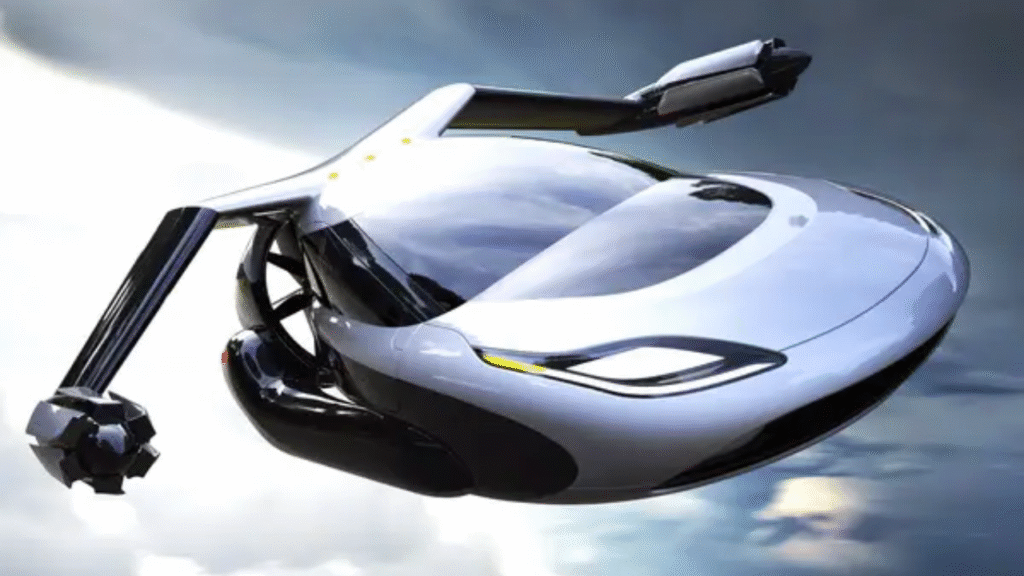
Yes, flying cars have finally transitioned from science fiction to manufacturing reality. While they are not the mass-market, push-a-button hover cars from Back to the Future car, 2026 marks the arrival of actual production-ready models. These vehicles are primarily electric vertical takeoff and landing (eVTOL) aircraft designed to bypass congested roads
Guangzhou, China EHang became the first company in the world to operate fully autonomous, pilotless commercial passenger flights, using its two-seat EH216-S aircraft. Passengers board, tap a screen, and fly no pilot required. It holds full commercial certification from China’s aviation regulator.
Dubai, UAE A Joby/Uber Air commercial air taxi service is already live, with the UAE moving to fast-track eVTOL approvals ahead of most other countries.
United States Commercial flights haven’t launched yet, but Job Aviation and Archer Aviation are both in advanced FAA certification. Archer reached a major milestone in March 2026, becoming the first e-VTOL manufacturer to receive full FAA acceptance of its testing and design standards. First US commercial flights are expected in summer–fall 2026, in cities including New York, Los Angeles, Dallas, and Miami.
The Realistic Timeline: 2026 To 2030 And Beyond
| Timeframe | What’s Realistically Expected |
|---|---|
| 2026 | Continued expansion in China and the Middle East; first US commercial flights targeted for summer–fall |
| 2027 | Broader FAA certification for additional US operators; likely first European commercial routes |
| 2028–2030 | Expanded city networks (multiple US/international cities); pricing closer to premium ride-hailing rather than private jet cost |
| 2030+ | Wider adoption depends on air traffic management infrastructure and cost reduction — full personal ownership remains unlikely at scale |
Industry experts caution against over-promising: full FAA-style certification for even the most advanced developers is realistically a 2027 milestone, with some competitors not reaching it until 2028 or 2029 — this isn’t a “flip a switch” transition.
Will Flying Cars Replace Regular Cars?
No at least not in the way ground vehicles work today. Flying cars in 2026 and for the foreseeable future function more like an aerial ride-hailing service (similar to UberX or Lyft) than a personal vehicle you own and park in your driveway. The industry’s own pricing goal is to eventually reach cost parity with ground ride-hailing for the same distance early rides will be priced at a premium while operators build up fleet size.
Regular cars, especially electric ones, aren’t going anywhere in this timeframe. Flying cars are shaping up to be a complement for specific use cases congested urban routes, remote-area access, cargo, and emergency response rather than a full replacement for road vehicles. For a look at how ground-based EVs are progressing in parallel, see our electric cars guide and best electric cars roundup.
Why “The Future Of Cars Is Not Electric” Is A Question Worth Asking?
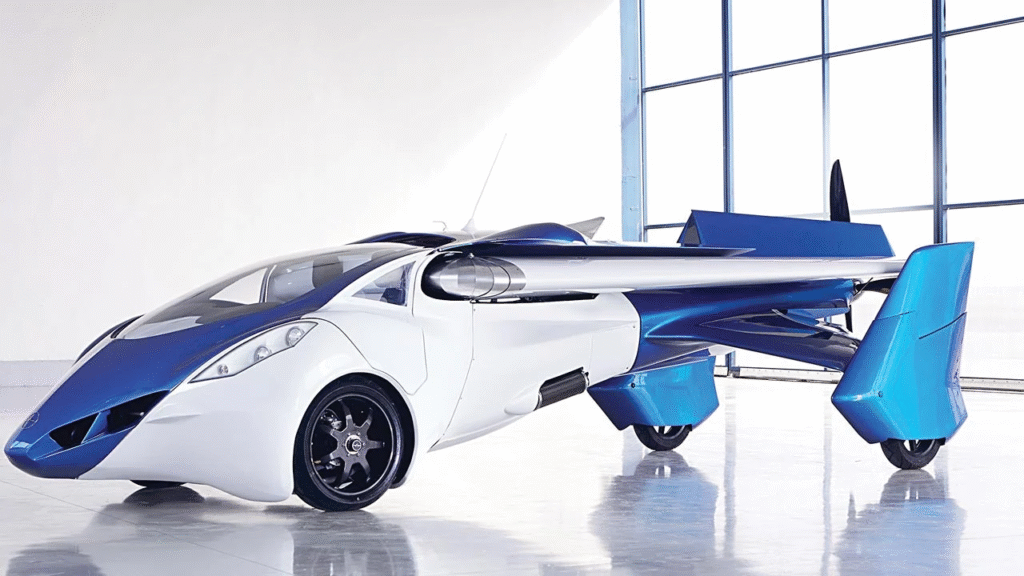
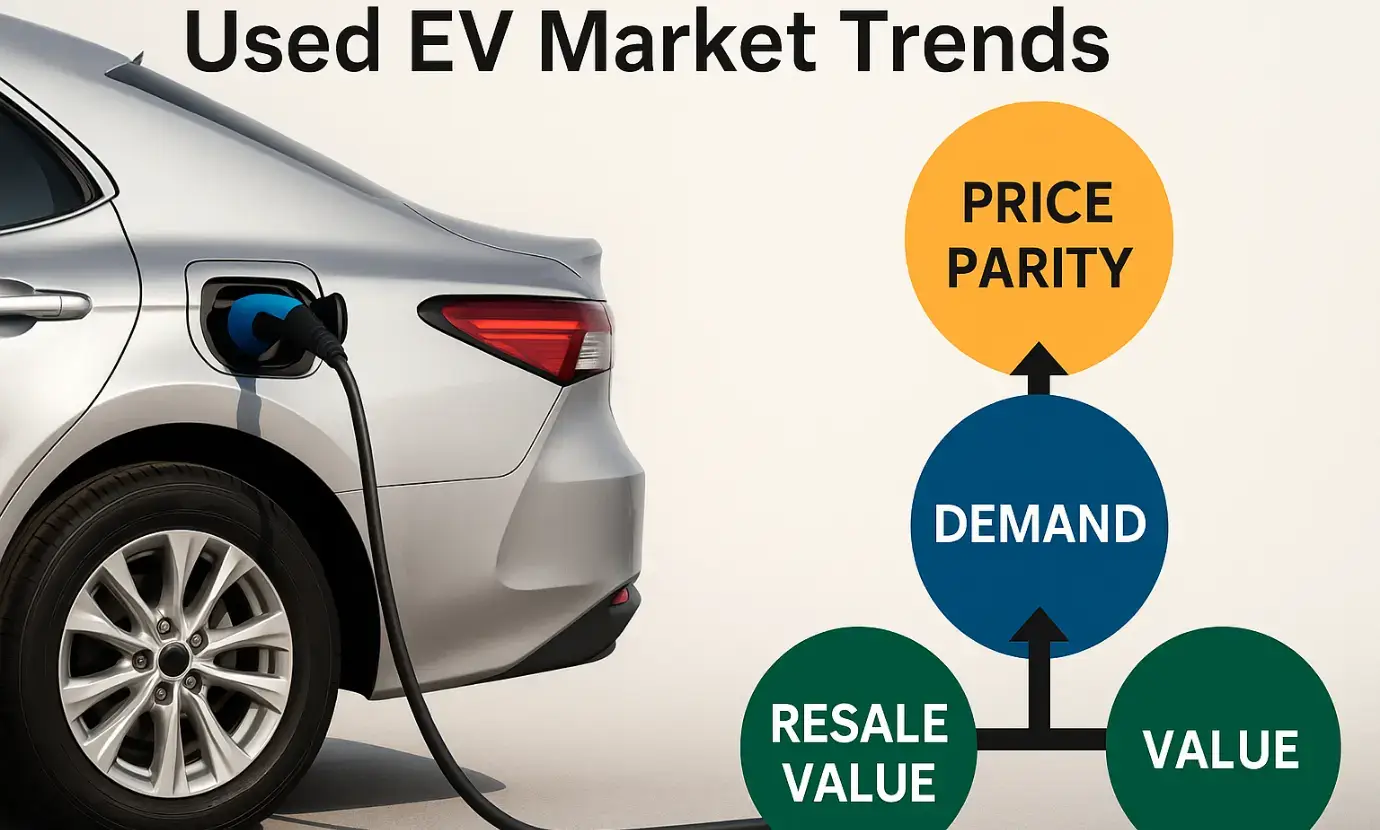
If you’ve searched this exact phrase, here’s the honest answer: ground transportation is still trending electric, but 2026 has shown that trajectory isn’t as linear or guaranteed as it looked a few years ago. In the US specifically, EV sales growth has slowed sharply since federal tax incentives expired, and several manufacturers have pulled back on EV models a shift we cover in detail in our used EV market trends analysis. At the same time, an entirely separate transportation shift flying, autonomous aircraft is progressing faster than most people expected.
The honest picture for “the future cars” in 2026 is less about one technology winning and more about multiple parallel shifts electrification on the ground (slower than predicted), autonomous driving (advancing through regulation more than mass deployment see our rise of autonomous vehicles piece), and aerial mobility (moving from prototype to commercial reality faster than expected).
Learning From EVs: How Long Does New Transport Tech Actually Take To Go Mainstream?
Electric vehicles are a useful case study for predicting the flying car timeline because EVs followed almost the exact same pattern flying cars are on now.
Tesla’s Roadster launched in 2008, but EVs stayed a tiny niche for over a decade a history worth revisiting alongside our Tesla Model 3 review, which shows how far the mainstream EV market has come since then. It took until the early-to-mid 2020s for EVs to reach meaningful mainstream volume in leading markets, and even now, adoption isn’t uniform the US saw EV market share actually fall in 2026 after federal incentives expired, while China and parts of Europe continue to grow steadily. In other words, even a technology that “worked” early on took 15+ years to become common, and its path wasn’t a straight line.
Flying cars are arguably ahead of schedule by comparison: EHang already has full commercial certification and paying passengers, and the US is on track for commercial flights within roughly two decades of the technology’s early prototypes faster than EVs took to reach a similar point. That said, the same pattern is likely to repeat: early adoption will be concentrated in specific cities and price brackets, cost will fall gradually rather than instantly, and “common” won’t mean “everyone owns one” it will mean “widely accessible as a service,” the same way EVs became common well before they became the majority of cars on the road.
Realistic prediction:
if flying cars follow a similar or slightly faster curve than EVs, expect them to move from “available in select cities” (2026 reality) to “genuinely common in major metro areas as a ride option” sometime around 2032–2035 not overnight, but meaningfully sooner than the 2040s/2050s timeline many people still assume.
Frequently Asked Questions
Are flying cars real in 2026?
Yes. EHang operates fully autonomous commercial flying taxi flights in Guangzhou, China, and Job/Uber Air has a live commercial air taxi service in Dubai. These aren’t concept demos they’re carrying paying passengers today.
When will flying cars be available in the US?
Commercial eVTOL flights in the US are expected to begin in summer–fall 2026 under the FAA’s pilot program, with Joby Aviation and Archer Aviation as the leading operators, in cities including New York, Los Angeles, Dallas, and Miami.
How much will a flying car ride cost?
Early rides will likely be priced at a premium, similar to business-class travel, as operators build up their fleets. The industry’s long-term goal is to reach price parity with standard ride-hailing services like UberX for comparable distances.
Will I be able to own a flying car personally?
Not in the near future. Current eVTOL aircraft are designed and certified as commercial passenger vehicles operated by companies, similar to airlines or ride-hailing fleets, rather than personal vehicles individuals purchase and pilot themselves.
What’s the difference between a flying car and a drone taxi?
The terms are often used interchangeably in casual conversation. Technically, most 2026 “flying cars” are eVTOL aircraft larger, passenger-rated vehicles built for controlled aviation certification rather than simply scaled-up consumer drones.
Is the future of cars really moving away from electric?
Ground vehicle electrification has slowed in some markets (notably the US) due to policy changes, but it hasn’t reversed EVs still make up a growing share of global car sales. What’s changed is the pace and certainty of that shift, alongside the emergence of a completely separate technology (e-VTOL) that’s progressing faster than expected.
Bottom Line
Flying cars aren’t a 2040 or 2050 fantasy anymore they’re a 2026 reality in specific cities, with US commercial flights expected within months, not decades. The realistic path forward looks like gradual expansion of air-taxi networks in major cities through 2030, priced initially at a premium and eventually approaching ride-hailing costs, rather than personal flying vehicles parked in driveways.
If you’re trying to predict “the future of cars,” the more accurate story isn’t electric vs. gas it’s ground vehicles, autonomous driving, and aerial mobility all advancing on different timelines at once.