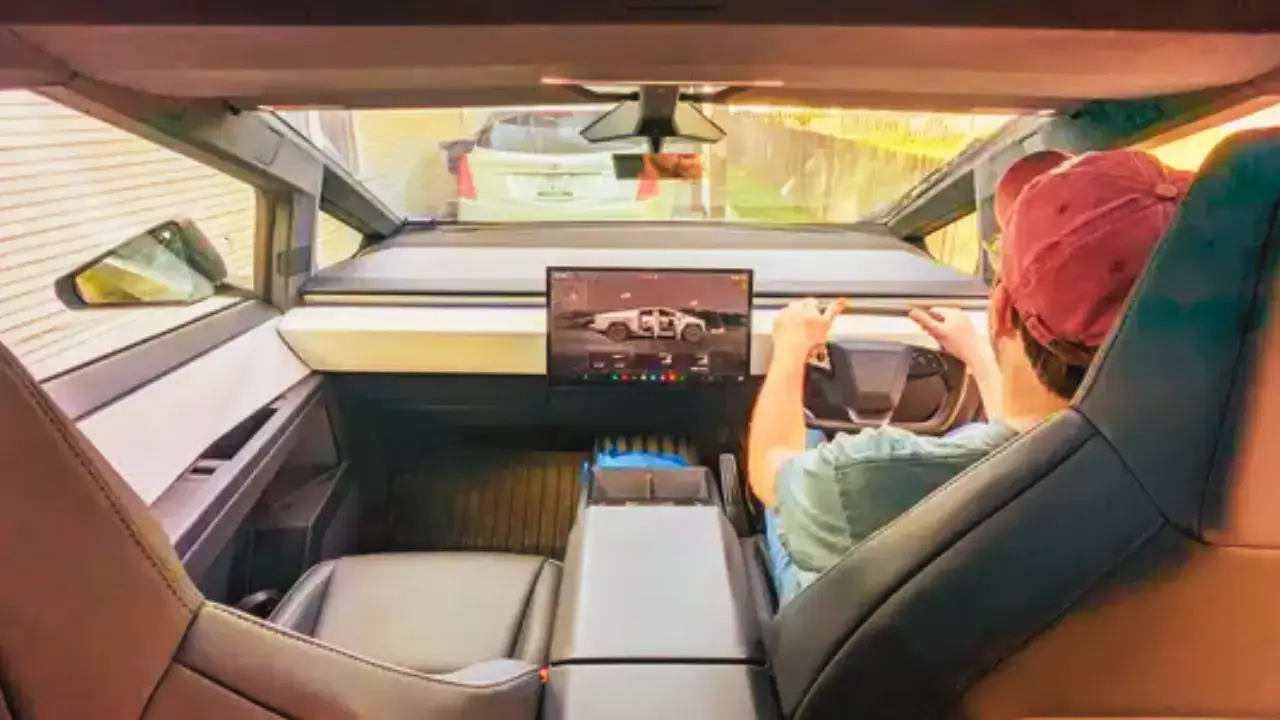
Self driving vehicles have moved past the experimental stage. In 2026, several brands now sell or operate vehicles with genuine Level 3 and Level 4 automation, and a new global safety standard has brought the US, UK, Canada, and other major markets closer to shared rules for the first time.
This guide explains what self-driving vehicles actually are, which brands lead the space, what they cost, and the real pros and cons before you consider one and if you’re weighing this alongside a broader electric cars purchase, most of today’s self-driving features ship on EV platforms anyway.
Quick Answer
- What they are: Vehicles that use AI, cameras, radar, and LiDAR to handle some or all driving tasks without constant human input.
- Leading brands: Tesla, Waymo (Alphabet), Mercedes-Benz, and BMW currently lead in different automation levels.
- Price range: Consumer-available self-driving features typically add $2,000–$15,000 to a vehicle’s base price; full robotaxi services are usage-based, not purchase-based.
- Biggest pro: Reduced accidents caused by human error.
- Biggest con: Legal, insurance, and liability frameworks are still catching up to the technology.
Levels Of Automation, Explained Simply
Self driving Vehicles capability isn’t all-or-nothing — it’s measured in six levels (0 to 5) as defined by SAE International and adopted by regulators like NHTSA, and most confusion around “self-driving cars” comes from mixing these up:
| Level | What It Means | Example |
|---|---|---|
| Level 0 | No automation — human does everything | Most older vehicles |
| Level 1 | Single automated function (e.g., cruise control) | Basic modern cars |
| Level 2 | Combined automation, driver must stay alert | Tesla Autopilot, most current “self-driving” consumer cars |
| Level 3 | Car handles driving in specific conditions, driver can look away briefly | Mercedes-Benz Drive Pilot |
| Level 4 | Fully autonomous within a defined area/conditions, no driver needed there | Waymo robotaxis in approved cities |
| Level 5 | Fully autonomous everywhere, no steering wheel required | Not yet commercially available |
The important distinction: most vehicles marketed as “self-driving” today, including Tesla’s Full Self-Driving package, are Level 2 they still legally require an attentive driver. True Level 4 vehicles, where no human input is needed, are currently limited to specific robotaxi services operating in approved cities.
Top Self Driving Vehicles Brands In 2026
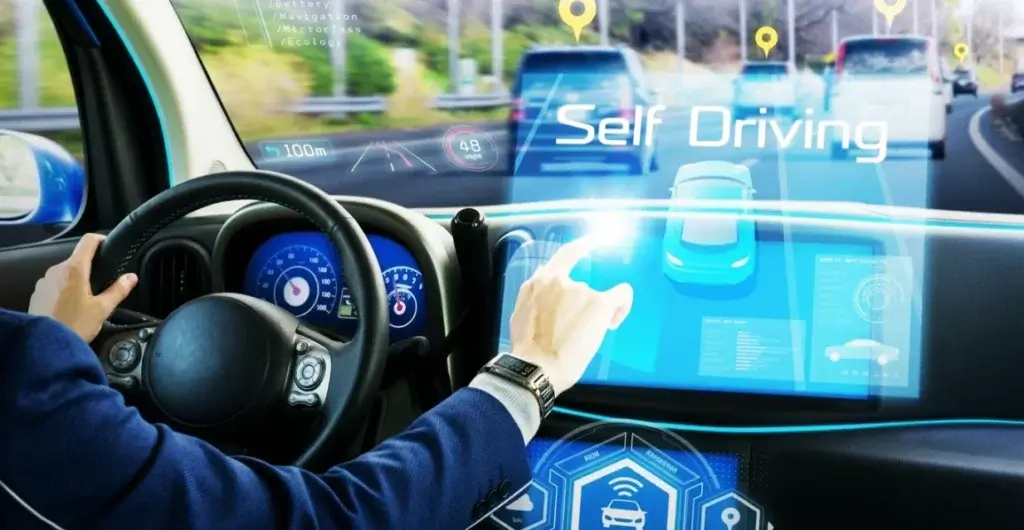
- Tesla remains the most recognized name in consumer self-driving features, offering its Full Self-Driving (FSD) package as a Level 2 system with continuous over-the-air updates. It’s the most widely available option for individual buyers, though it still requires driver supervision see our full Tesla Model 3 review for how this plays out in a real-world vehicle, or check out the Tesla Cybertruck for Tesla’s take on self-driving in a heavier-duty platform.
- Waymo (Alphabet) operates Level 4 robotaxi fleets in select US cities, including Phoenix and San Francisco. Rather than selling vehicles to consumers, Waymo operates a ride-hailing style service using its own autonomous fleet.
- Mercedes-Benz offers Drive Pilot, one of the few certified Level 3 systems available to consumers, currently approved for specific highway conditions in select markets. Their flagship Mercedes-Benz S-Class is one of the models leading this rollout.
- BMW and traditional automakers (Ford, General Motors) continue investing heavily in AV technology, typically through partnerships with specialized AV software and sensor companies rather than building fully in-house systems. See how BMW approaches driver-assist tech in our BMW model lineup guide.
Self Driving Car Price: What It Actually Costs
Pricing for self-driving capability varies significantly depending on the level of automation and whether you’re buying a vehicle or using a service.
- Level 2 packages (e.g., Tesla FSD): Typically an added cost of several thousand dollars on top of the vehicle price, either as a one-time purchase or subscription.
- Level 3 systems (e.g., Mercedes-Benz Drive Pilot): Usually bundled into higher trim/luxury pricing tiers rather than sold as a standalone add-on.
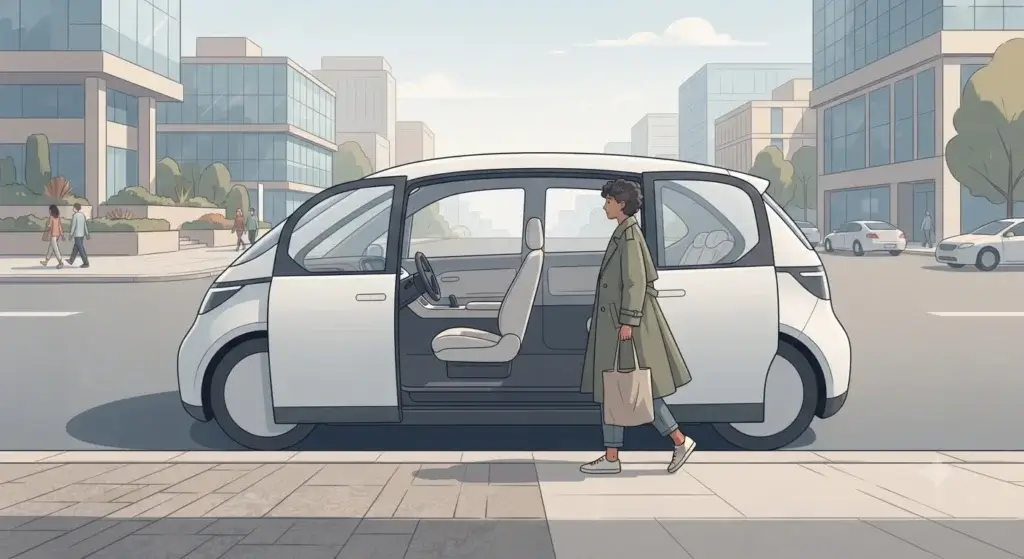
- Level 4 robotaxi services (e.g., Waymo): No purchase cost priced per ride, similar to a standard ride-hailing app, since the vehicles aren’t sold to individual consumers.
If you’re comparing “self-driving car price” across brands, the more useful comparison is cost-per-mile of the feature over time, not just the upfront add-on price subscription-based systems can end up costing more over several years than a one-time purchase.
Since most self-driving features today ship on electric or hybrid platforms, it’s also worth checking our best electric cars guide and used EV market trends to see how resale value holds up on these tech-heavy vehicles.
Self Driving Vehicles: Pros And Cons
Pros
- Potential to significantly reduce accidents caused by human error (distraction, fatigue, impairment)
- More consistent, predictable driving behavior that can improve traffic flow
- Increased mobility access for people who can’t drive themselves
- Continuous improvement through over-the-air software updates rather than requiring new hardware
Cons
- Most “self-driving” consumer systems still require active driver attention, which can create a false sense of security
- Liability in an accident is still legally unclear in many jurisdictions is it the manufacturer, software provider, or owner at fault?
- Higher upfront or subscription costs for advanced automation features
- Limited availability true Level 4 systems only operate in specific approved cities and conditions, not everywhere
How Self Driving Vehicles Technology Works?
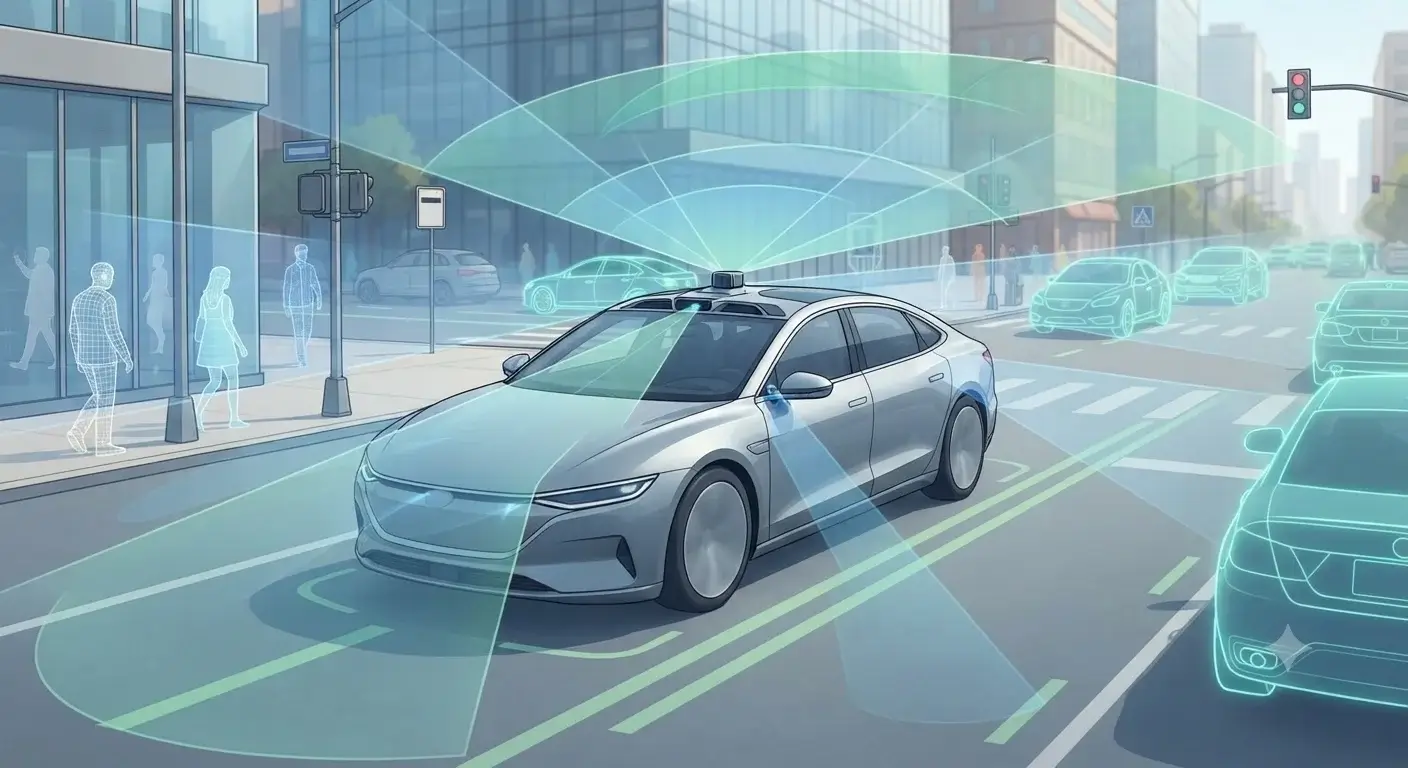
Self driving vehicles combine several sensor types to build a real-time understanding of their surroundings.
- LiDAR measures distance using laser pulses, creating a precise 3D map of nearby objects
- Radar detects the speed and distance of other vehicles, especially useful in poor visibility
- Cameras identify lane markings, traffic signs, pedestrians, and traffic lights
- AI/machine learning models process all of this sensor data in real time to make driving decisions
The main technical challenge isn’t detecting objects it’s handling unpredictable, rare scenarios (a ball rolling into the street, an unusual road layout) that don’t match the patterns a system was trained on. This is why Level 4 and Level 5 systems remain limited to specific, well-mapped operating areas rather than being available everywhere.
The Regulatory Backdrop In 2026
A major global shift happened in June 2026: the UN’s WP.29 body adopted the first worldwide safety framework for fully autonomous driving systems, backed by the US, UK, Canada, the EU, Japan, and China. It requires automated systems to match or exceed the performance of a competent human driver and mandates ongoing safety monitoring after deployment not just pre-launch testing.
This doesn’t change what’s available to buy immediately, but it’s a meaningful step toward more consistent global rules for Level 4 and Level 5 vehicles going forward.
In the US specifically, regulation still varies by state 18 states currently allow fully driverless commercial operations, with California, Texas, and Arizona leading in active testing. For a deeper country-by-country breakdown of how the US, UK, Canada, and Australia are each handling this shift, see our full guide on the rise of autonomous vehicles.
Frequently Asked Questions
What’s the difference between a self-driving car and an autonomous vehicle?
The terms are often used interchangeably, but “autonomous vehicle” technically refers to Level 4 or Level 5 systems that don’t need human input, while “self-driving car” is commonly used more loosely to include Level 2 and Level 3 systems that still require driver attention.
Which self-driving car brand is best?
It depends on what you need. Tesla offers the widest consumer availability for Level 2 features, Mercedes-Benz leads in certified Level 3 systems, and Waymo leads in true Level 4 autonomy though only as a ride service, not a vehicle you can buy.
How much does a self-driving car cost?
Level 2 packages typically add a few thousand dollars to a vehicle’s price, either upfront or via subscription. Level 4 autonomy isn’t sold to consumers yet it’s accessed as a per-ride service.
Are self-driving cars actually safer than human drivers?
Early data suggests automated systems can reduce accidents linked to human error like distraction and fatigue, but they’re still limited to specific conditions and locations, so a direct like-for-like safety comparison across all driving scenarios isn’t yet possible.
What is a Level 4 autonomous car?
A Level 4 vehicle can drive itself fully within a defined area or set of conditions without needing a human to take over. Waymo’s robotaxi fleet is the most widely available current example, operating in specific approved US cities.
Is Tesla’s Full Self-Driving actually fully autonomous?
No despite the name, Tesla’s FSD is currently a Level 2 system, meaning the driver is legally required to stay attentive and ready to take control at any time.
Bottom Line
“Self-driving vehicle” covers a much wider range of technology than most people realize from driver-assist features already in millions of cars today to true Level 4 robotaxis operating in a handful of cities. If you’re shopping for a vehicle, understand which automation level you’re actually buying before assuming it means hands-off driving.
If you’re watching the industry, the 2026 global safety framework is the bigger long-term signal it’s the first real step toward consistent rules that could make Level 4 and Level 5 vehicles far more widely available in the coming years.