Tesla has transformed the automotive industry with cutting-edge self-driving technology. Among its innovations, Autopilot and Full Self-Driving (FSD) stand out as the most talked-about features. While both are available on the Tesla Model 3, they serve very different purposes—one as an advanced driver-assistance suite, the other as Tesla’s ambitious step toward full autonomy. Drivers often ask: What’s the difference between Tesla Autopilot and FSD? Let’s break it down.
Tesla Model 3 Autopilot Features
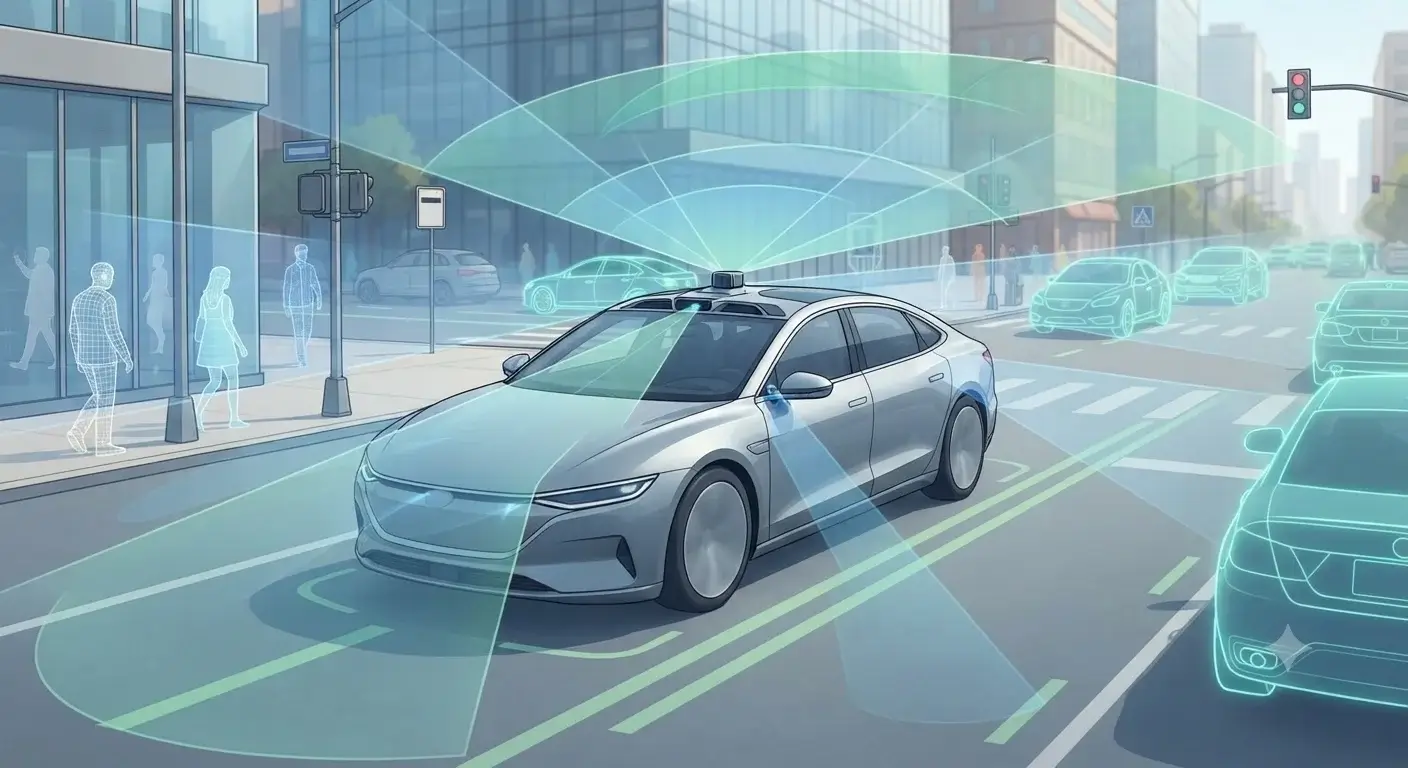
Autopilot comes standard with every Tesla Model 3 and is essentially a driver-assistance system rather than a full self-driving platform. Key features include:
- Traffic-Aware Cruise Control – Maintains speed while adapting to vehicles ahead.
- Autosteer – Keeps the car centered in its lane.
- Safety Warnings – Lane departure alerts and emergency braking.
Limitations: Autopilot does not handle lane changes, traffic lights, or complex city driving. Drivers must keep hands on the wheel and remain alert at all times.
Tesla Full Self-Driving (FSD) Features
The optional FSD package takes things further by unlocking more advanced capabilities, some still in Beta testing. As of 2025, FSD includes:
- Navigate on Autopilot – Highway guidance, including interchanges and exits.
- Auto Lane Change – Automatically shifts lanes when safe.
- Autopark – Parallel and perpendicular parking assistance.
- Summon & Smart Summon – Move the car in and out of parking spaces remotely.
- Traffic Light & Stop Sign Control – Recognizes and responds to traffic signals.
- Autosteer on City Streets (Beta) – Enables urban navigation with minimal driver input.
Limitations: Despite the name, FSD has not made the Model 3 fully autonomous yet. Legal and safety restrictions require driver supervision.
Tesla Autopilot Vs FSD: Side-by-Side Comparison
| Feature | Autopilot (Standard) | Full Self-Driving (FSD) |
|---|---|---|
| Lane Centering | ✔ | ✔ |
| Adaptive Cruise Control | ✔ | ✔ |
| Auto Lane Change | ✘ | ✔ |
| Navigate on Autopilot | ✘ | ✔ |
| Autopark | ✘ | ✔ |
| Summon / Smart Summon | ✘ | ✔ |
| Traffic Light & Stop Sign Control | ✘ | ✔ |
| City Streets Beta | ✘ | ✔ |
| Cost (2025) | Included | ~$12,000 (or subscription) |
| Availability | Global | Limited by regional laws |
Real-World Perspective

Benefits For Drivers
- Autopilot: Great for reducing fatigue on highways and improving safety.
- FSD: Ideal for those wanting cutting-edge features, automated navigation, and a glimpse into the future of driving.
Challenges
- Legal Restrictions: FSD Beta is not fully legal everywhere. For example, the US allows broader testing, while the UK and EU maintain stricter limits.
- Safety Concerns: Drivers must remain attentive—autonomous claims are still in development.
- Cost Factor: With a ~$12,000 price tag (or monthly subscription), FSD is a major investment.
Future Outlook Of Tesla Self-Driving
Tesla’s roadmap aims for Level 4–5 autonomy, where cars can operate without human input. Until then:
- Over-the-Air Updates (OTA) continuously improve both Autopilot and FSD.
- Tesla’s AI learns from billions of real-world driving miles, refining algorithms.
- Broader global regulatory approval will be key to unlocking full autonomy.
FAQs On Tesla Autopilot Vs FSD
Q1: What is the difference between Tesla Autopilot and FSD?
Autopilot is a basic driver-assistance suite, while FSD adds advanced autonomous features like lane changes, navigation, and city street driving.
Q2: Is Tesla FSD worth buying in 2025?
If you value early access to self-driving innovation and frequent updates, yes. If cost and reliability matter more, Autopilot may be enough.
Q3: Does Tesla Autopilot work without FSD?
Yes. Autopilot comes standard on every Tesla Model 3.
Q4: Can Tesla Model 3 drive itself fully?
Not yet. Even with FSD, drivers must remain alert and in control.
Q5: How much does Tesla FSD cost compared to Autopilot?
Autopilot is included, while FSD costs ~$12,000 or can be subscribed to monthly.
Q6: Is Tesla FSD legal in all countries?
No. Legal approval varies. The US has broader allowances, while the EU and UK remain more restrictive.
Q7: Will FSD make human drivers unnecessary in the future?
Possibly, but experts expect human oversight for years until regulators approve full autonomy.
Conclusion
The Tesla Model 3 Autopilot vs FSD comparison highlights a clear divide: Autopilot enhances driving convenience, while FSD pushes the boundaries of automation. For most, Autopilot provides excellent value at no extra cost. For early adopters, FSD offers a chance to experience the future of driving today—though with legal, safety, and cost considerations.
Final takeaway: If you want advanced driver support, Autopilot is enough. If you want cutting-edge innovation and can afford the upgrade, FSD is the way forward.