“Future cars” used to mean concept-car sketches of flying vehicles. In 2026, it means something more concrete: electric and hydrogen powertrains competing for market share, AI systems handling more of the driving, and cars that behave more like connected devices than mechanical boxes. This guide explains the real technologies shaping cars today and over the next several years with the honest trade-offs, not just the marketing version.
What Actually Defines A “Future Car”?
A future car isn’t one single technology it’s a combination of shifts happening at different speeds:
- Powertrain: electric batteries or hydrogen fuel cells replacing gasoline and diesel
- Driving automation: AI, sensors, and cameras handling part or all of the driving task
- Connectivity: cars that communicate with infrastructure, other vehicles, and cloud-based AI assistants
- Materials and sustainability: lighter, more recyclable components designed to reduce lifecycle emissions
None of these are finished transitions each is progressing unevenly depending on the country and manufacturer, which is exactly why 2026 headlines often contradict each other (one story says EV sales are booming, another says they’re slowing both can be true in different markets).
Electric Vehicles: Still The Backbone, But Growth Has Gotten Uneven
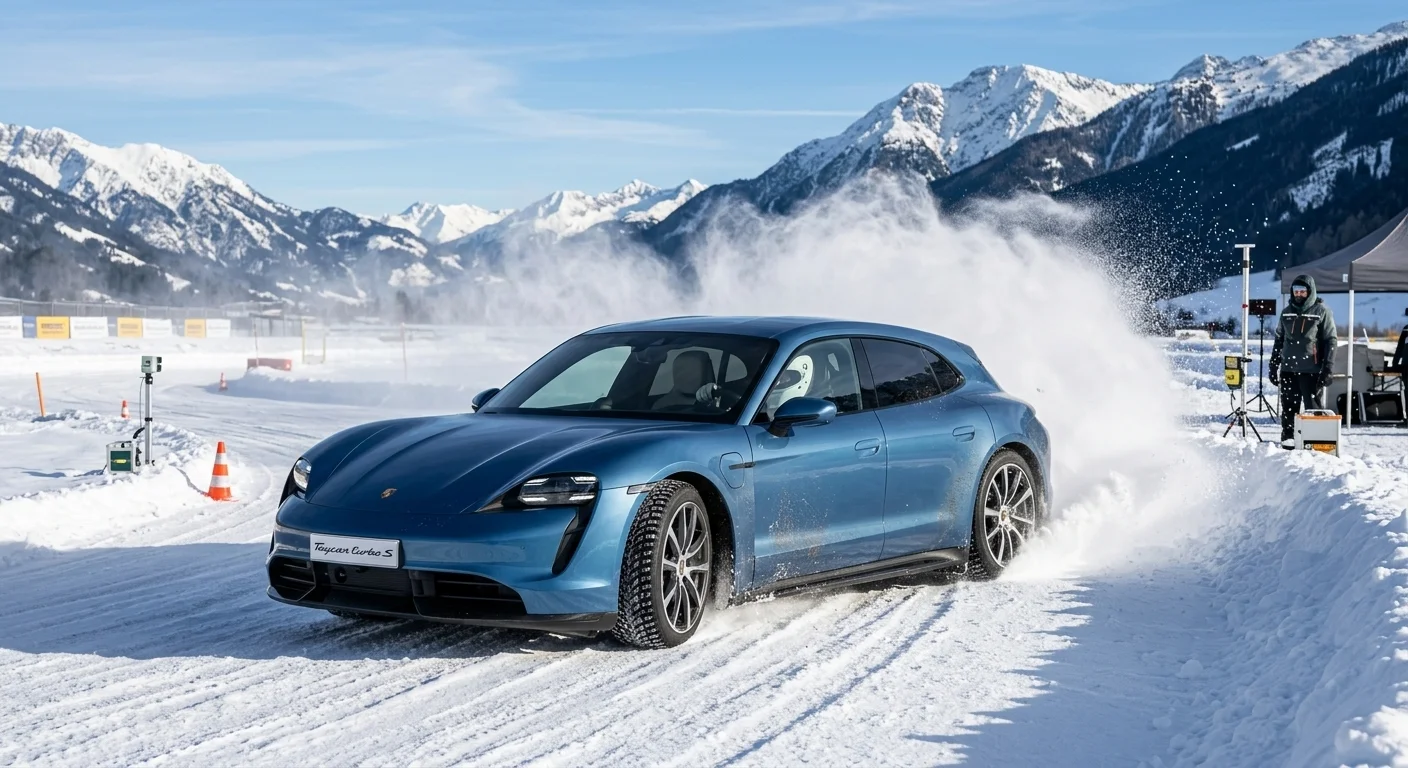
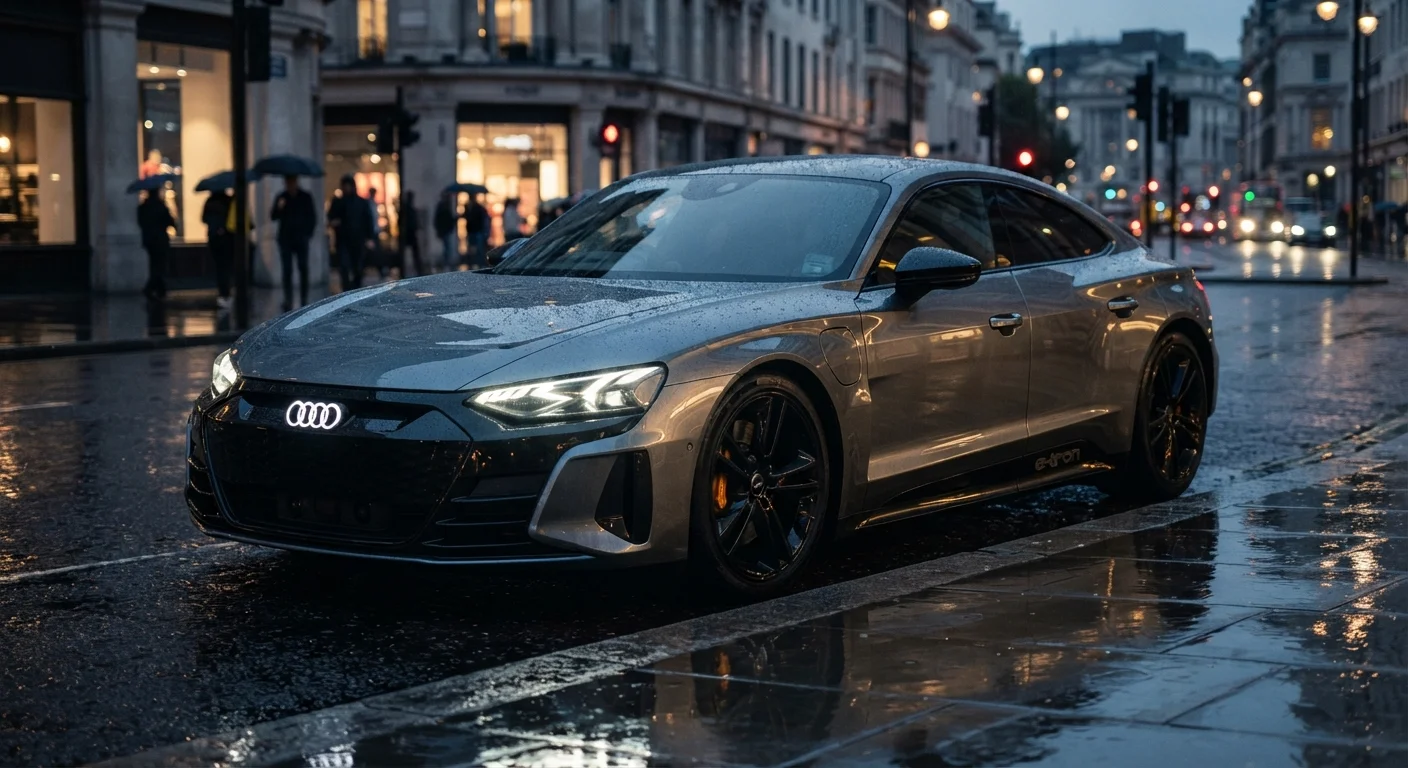
EVs remain the most mainstream “future car” technology, led by manufacturers like Tesla, Lucid Motors, and BYD. But 2026 has shown this isn’t a guaranteed straight-line adoption curve — in the US specifically, EV sales growth slowed sharply after federal tax incentives expired, while adoption in China and parts of Europe has continued more steadily.
Pros: zero tailpipe emissions, lower running costs, quieter operation, and a well-established charging network in most major cities.
Cons: charging infrastructure still lags in rural areas, battery recycling remains a developing industry, and upfront cost parity with gas vehicles is inconsistent across segments.
Hydrogen Fuel Cell Cars: A Narrower, Slower-Moving Bet
Hydrogen-powered vehicles, like the Toyota Mirai and Hyundai Nexo, generate electricity on-board using fuel cells and emit only water vapor. They offer faster refueling and longer range than most EVs, which makes them appealing for long-distance and fleet use.
The catch is infrastructure: hydrogen refueling stations remain far scarcer than EV charging points in nearly every market, and production costs are still higher. This has kept hydrogen a niche technology rather than a mass-market EV competitor, and that’s unlikely to change quickly without major infrastructure investment.
Autonomous Driving: Legal Progress Is Outpacing Consumer Access
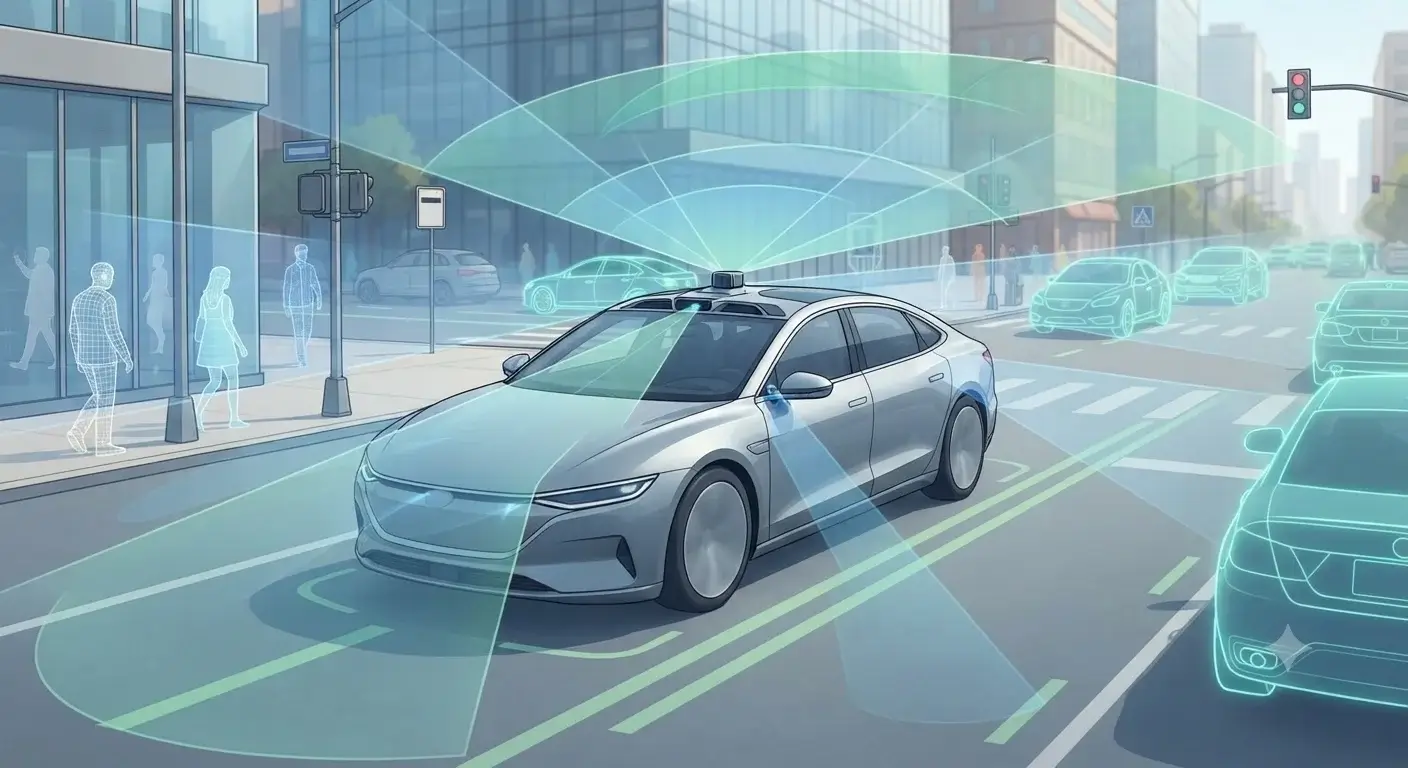
Self-driving technology uses AI, LiDAR, radar, and cameras to handle some or all of the driving task, ranging from driver-assistance systems (Tesla Autopilot) to full autonomy (Waymo’s robotaxi fleet). Germany has gone further than most countries by legalizing Level 3 automated driving on public roads, while regulation in the US remains fragmented at the state level.
Benefits: fewer accidents linked to human error, improved mobility for people who can’t drive themselves, and more efficient traffic flow.
Challenges: liability rules are still catching up in most countries, and true Level 4/5 autonomy (no human input needed anywhere) remains limited to specific approved cities rather than general availability.
Smart Cars: AI Is Changing What A Car Does, Not Just How It Drives
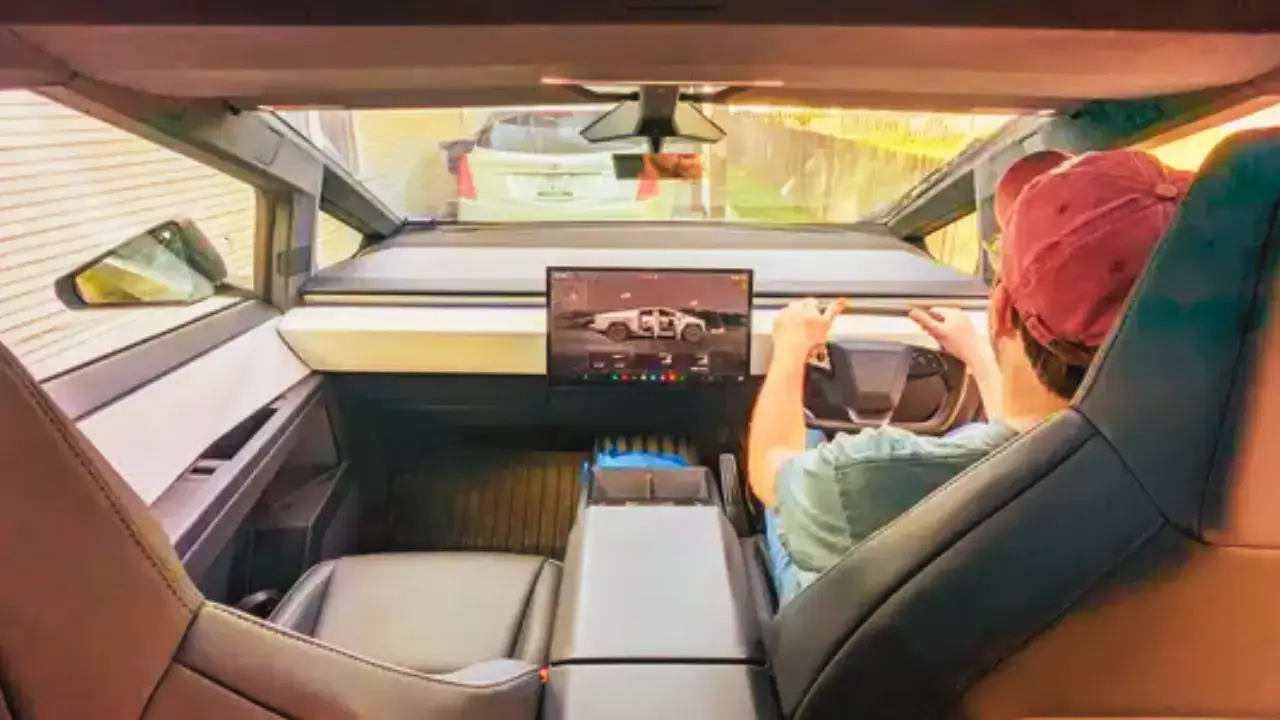
Beyond driving itself, AI is reshaping the in-car experience predictive maintenance alerts, voice assistants, real-time traffic-pattern predictions, and 5G-enabled communication between vehicles. This is the part of “future cars” that’s already fully mainstream: most new vehicles sold today include some level of AI-driven connectivity, regardless of powertrain.
Gas Vs. Electric Vs. Hydrogen: A Practical Comparison

| Factor | Gas Cars | Electric Cars | Hydrogen Cars |
|---|---|---|---|
| Fuel source | Gasoline/diesel | Battery (electricity) | Hydrogen fuel cell |
| Emissions | High CO₂ | Zero tailpipe | Zero tailpipe |
| Refueling/charging | Fast, widely available | Slower, charging network expanding | Fast, but stations are scarce |
| Typical range | 400–600 miles | 200–400 miles | 300–500 miles |
| Cost trend | Rising fuel costs | Falling battery costs | Still expensive to produce |
| Best for | Remote areas, quick refueling | City driving, cost-conscious owners | Long-distance and fleet use, where infrastructure exists |
Beyond Ground Vehicles: What Else Counts As A “Future Car” In 2026

Two areas are moving faster than most people expect and deserve their own deep dive rather than a quick summary here:
- Country-specific policy shifts — the US, UK, and Germany are each handling the EV slowdown, autonomous driving law, and emissions targets differently in 2026. See our full breakdown in Future Of Cars In 2026: US, UK & Germany Auto Trends.
- Flying cars (eVTOL) — genuinely commercial in 2026, not a distant concept. See Flying Cars Are Closer Than You Think for what’s actually flying today and the realistic timeline ahead.
Frequently Asked Questions
What are future cars?
Future cars are vehicles built around electric or hydrogen powertrains, AI-driven autonomous or driver-assist features, and connected smart technology — rather than a single specific invention. Most of these technologies are already partially deployed today rather than purely theoretical.
Will future cars be fully electric?
Not universally, and not on a fixed timeline. Electrification is progressing steadily in many markets, but 2026 showed that policy changes (like the expiration of US federal EV incentives) can slow adoption meaningfully in specific countries, even as it continues elsewhere.
Are hydrogen cars better than electric cars?
Hydrogen cars offer faster refueling and longer range, but electric vehicles are currently more affordable and better supported by existing charging infrastructure, which is why EVs remain the dominant “future car” technology for now.
How will autonomous cars change transportation?
Autonomous vehicles are expected to reduce accidents linked to human error, extend mobility to people who can’t drive themselves, and reshape industries like trucking and taxi services — though full driverless adoption everywhere is still years away, limited today mostly to approved cities and highway conditions.
Bottom Line
Future cars isn’t one technology arriving on one date it’s several parallel shifts (electric, hydrogen, autonomous, connected) each moving at a different pace and unevenly across countries.
Electric remains the most mainstream bet, hydrogen stays a narrower niche, autonomous driving is advancing faster through law than through mass deployment, and an entirely separate shift flying cars is progressing faster than most predictions accounted for.
Understanding which of these is actually close versus which is still years out is more useful than treating “the future of cars” as a single inevitable outcome.