In celebration of Jalopnik’s 20th anniversary, it’s worth revisiting one of the most pivotal and controversial posts in the site’s history. “How Ferrari Spins”, originally published on February 15, 2011. This article, written by automotive journalist Chris Harris, remains a cornerstone in the conversation about brand management, public relations, and the relationship between automakers and their audiences.
In this retrospective, We will examine Ferrari’s esteemed reputation, the origins of the post, the incident that ignited it, Ferrari’s response, and the enduring influence of Harris’s audacious commentary.
Ferrari’s Reputation In The Automotive Industry
Ferrari is synonymous with luxury, performance, and exclusivity. Over the years, the Italian marque has cemented its position as one of the most prestigious automotive brands in the world, revered for its engineering excellence and its illustrious racing pedigree. Ferrari’s road cars, from the 250 GTO to the LaFerrari, are celebrated for their performance, design, and technological innovation.
However, Ferrari’s reputation extends beyond the cars themselves. The brand’s careful curation of its image, particularly through selective marketing and PR strategies, has played a significant role in establishing it as the epitome of automotive perfection. Ferrari has been meticulous about its public image, often engaging in calculated interactions with fans and media alike. For much of its history, Ferrari maintained a veil of exclusivity and mystique, carefully controlling its narrative and ensuring that its relationship with its fanbase was one of admiration, not scrutiny.
The Origin Of The Post
Chris Harris, a well-respected automotive journalist and one of the most outspoken critics of Ferrari, found himself frustrated by the brand’s practices. Ferrari’s treatment of journalists, fans, and even its own customers became a point of contention for Harris. In his How Ferrari Spins post, he detailed his growing dissatisfaction with Ferrari’s approach to media relations and how the brand seemed to manipulate public opinion to protect its image.
Harris’s frustration wasn’t simply about a singular event but a pattern of behavior. His critique was personal, shaped by his experiences in the automotive industry and his growing disillusionment with Ferrari’s handling of media criticism. His post became an outcry against the tactics Ferrari used to maintain control over its image tactics that Harris believed undermined the transparency and authenticity that automotive journalism should stand for.
The Ferrari Spin Incident
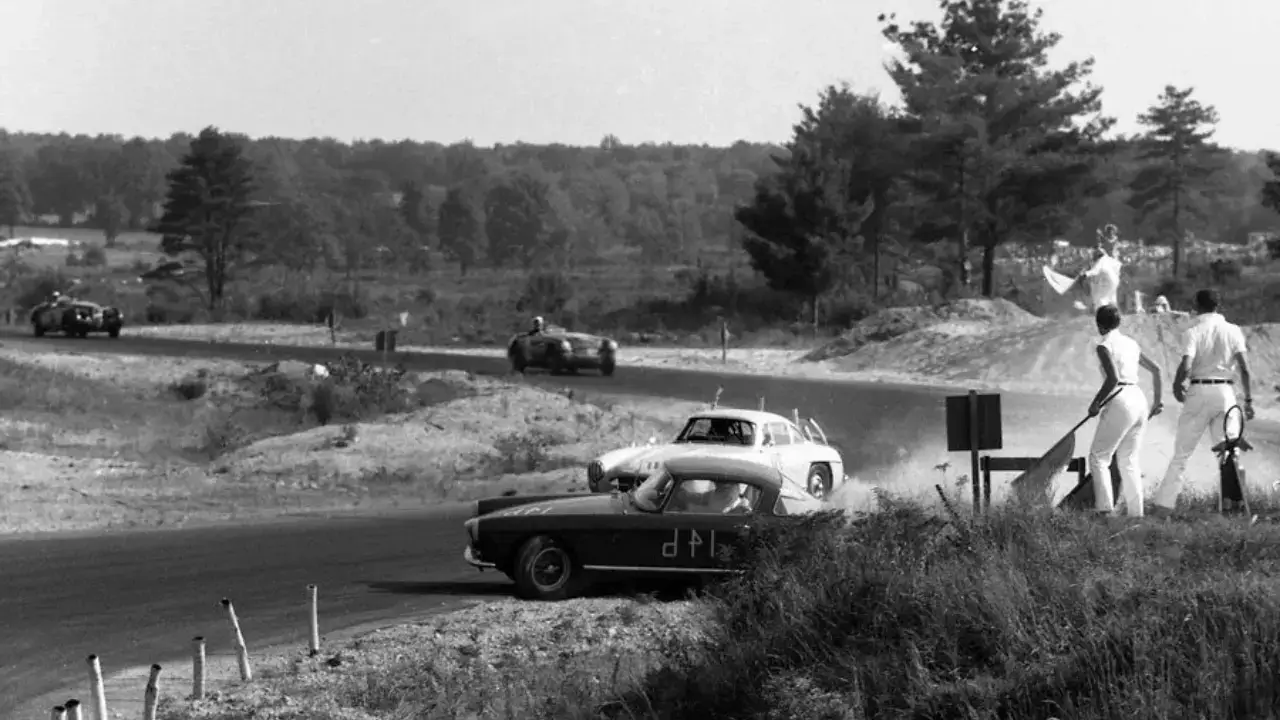
The catalyst for Harris’s post was an incident that highlighted Ferrari’s tendency to control the narrative rather than engage with criticism. Harris recounted how Ferrari’s PR team had manipulated press coverage and selectively courted journalists to get the best possible image for the brand. This behavior wasn’t a one-off it was emblematic of a broader strategy that Harris found both disingenuous and frustrating.
The incident that sparked Harris’s criticism was rooted in Ferrari’s treatment of a particular media event. Ferrari, known for its tight control over press access, had taken steps to block certain journalists from reporting on its vehicles. Harris’s frustration boiled over as he felt the media, in general, was being forced to toe the line or risk being excluded from the Ferrari fold. The event illustrated a wider issue in how brands manage their reputations, especially when confronted with unfavorable narratives.
Ferrari’s Response To Criticism
Ferrari’s response to Chris Harris’s post was somewhat predictable: the brand remained tight-lipped, reflecting its general approach to handling public criticism. Instead of addressing the claims directly, Ferrari chose to continue with its policy of selective media engagement. The company did not publicly respond to Harris’s critique, nor did it seek to offer a rebuttal or attempt a reconciliation.
This silence is typical of Ferrari’s approach to dealing with its detractors. Instead of confronting critics head-on, Ferrari prefers to focus on maintaining its image among its loyal following. The lack of a direct response to Harris’s post only reinforced the idea that Ferrari was more interested in protecting its reputation than addressing the concerns raised by journalists like Harris.
The Legacy Of The Post
Chris Harris’s How Ferrari Spins remains one of the defining moments in automotive journalism. It wasn’t just a critique of Ferrari it was a bold statement about the role of the media in holding powerful brands accountable. The post resonated with many within the automotive community, who saw it as a rallying cry for transparency and integrity in the reporting of automotive news.
The legacy of the post goes beyond the specific critique of Ferrari. It highlighted the challenges that journalists face when dealing with powerful companies that have the means to influence public perception. Harris’s post was a reminder of the importance of independent, fearless reporting, and it showed the automotive world that even the most iconic brands are not above scrutiny.
Jalopnik’s Role In Automotive Journalism
Jalopnik has long been at the forefront of automotive journalism, known for its fearless and often controversial takes on the industry. The How Ferrari Spins post is a prime example of Jalopnik’s commitment to speaking truth to power. By publishing Harris’s critique, Jalopnik demonstrated its role as a platform for unvarnished, unapologetic commentary.
In many ways, this post marked a turning point in automotive journalism, showing that there was a place for journalists willing to challenge the status quo and question the practices of even the most revered brands.
Conclusion
“How Ferrari Spins” remains as relevant today as it was in 2011. It was more than a critique of one brand — it was a call for greater transparency and accountability across the automotive industry, underscoring the importance of media freedom and honest engagement between brands, the press, and customers.
Ferrari’s reputation has endured, from the F40 to the Purosangue, but this episode continues to fuel discussions about the balance between brand image and open communication.
As we look back on this classic post for Jalopnik’s 20th anniversary, it’s clear it left a lasting mark on how we talk about automotive media and brand management — a reminder that no brand, no matter how iconic, should be above scrutiny.
For more on how today’s top marques compare, see our roundups of the best vehicles of 2026 across the USA and Gulf countries and the newest cars hitting the market.
Call to Action
What are your thoughts on Ferrari and its relationship with the media? Do you think brands should have more control over their narratives, or should they be more open to criticism? Join the conversation and share your views on social media using the hashtag #FerrariSpin.
Frequently Asked Questions
Who owns Ferrari? Ferrari N.V. (NYSE: RACE) has traded as an independent public company since its 2015 spin-off from Fiat Chrysler Automobiles. Exor N.V., the Agnelli/Elkann family holding company, is its largest shareholder, though no single party controls a majority stake.
How much is a Ferrari? Prices vary enormously by model and configuration. Entry-level cars like the Roma or 296 start in the low-to-mid $200,000s, while limited-production hypercars can reach well over $1 million once options and allocation premiums are factored in.
What is the Ferrari F40 known for? The Ferrari F40 was the last car personally approved by Enzo Ferrari before his death and remains one of the most celebrated analog supercars ever built, prized today for its raw, unassisted driving experience.
What is the Ferrari SF90? The Ferrari SF90 Stradale is the brand’s plug-in hybrid flagship, pairing a twin-turbo V8 with three electric motors for all-wheel-drive performance — Ferrari’s first series-production hybrid supercar.
Is the Ferrari Purosangue really an SUV? Ferrari avoids the “SUV” label officially, calling the Purosangue a four-door, four-seat model instead, but functionally it competes with high-performance SUVs and marks Ferrari’s first vehicle in that segment.
Was “Ford v Ferrari” based on a true story, and how does it relate to this post? Yes — the film and its cast dramatize Ford’s real 1960s effort to beat Ferrari at Le Mans. It’s a different era and story than Chris Harris’s 2011 post, but both center on the same theme: how fiercely Ferrari has always guarded its image and competitive edge.
Why didn’t Ferrari respond publicly to Chris Harris’s article? Consistent with its long-standing PR approach, Ferrari chose silence over rebuttal, preferring to protect its image with its existing fanbase rather than engage directly with press criticism.