Whether you are navigating the tight, historic lanes of London or cruising the motorways between Manchester and Birmingham, your vehicle is constantly under immense stress. In the UK, our climate is particularly unforgiving. From damp, salt-covered winter roads that invite rust to those occasional (and intense) summer heatwaves, every mechanical component is forced to work harder.
Following a consistent routine for car maintenance tips UK isn’t just about keeping your vehicle looking shiny; it’s a matter of safety, legal compliance, and being financially savvy. From what I’ve seen, a well-maintained car doesn’t just retain its resale value it significantly reduces the risk of a stressful breakdown in the middle of the M6. Moreover, staying on top of these regular checks ensures you stay on the right side of DVLA roadworthiness standards and, most importantly, don’t face the headache of an unexpected MOT failure.
Essential Car Maintenance Tips

1. Checking Engine Oil & Vital Fluids
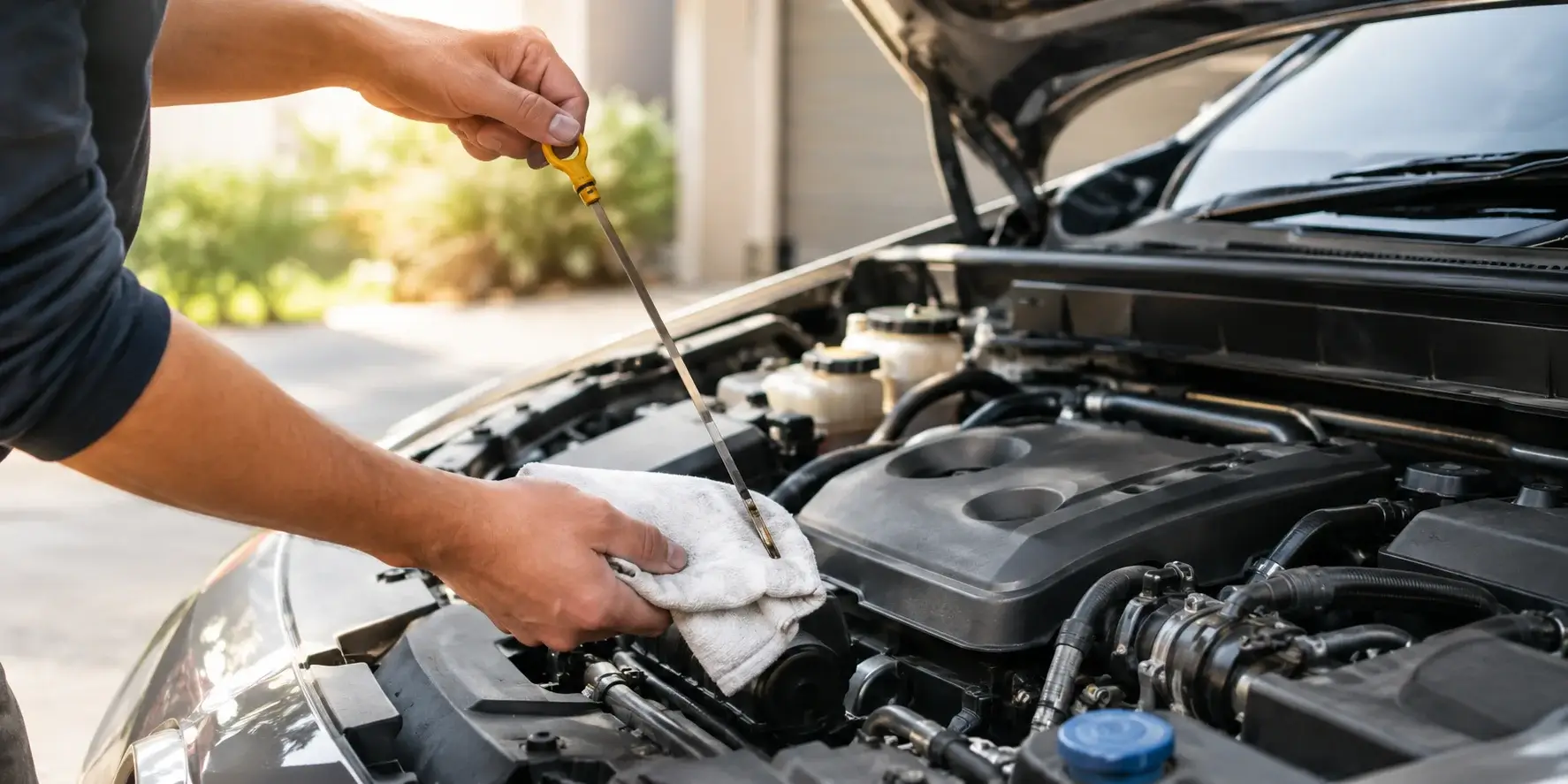
Your engine is the heart of your vehicle, and oil is its lifeblood. Running low on oil can cause catastrophic engine failure.
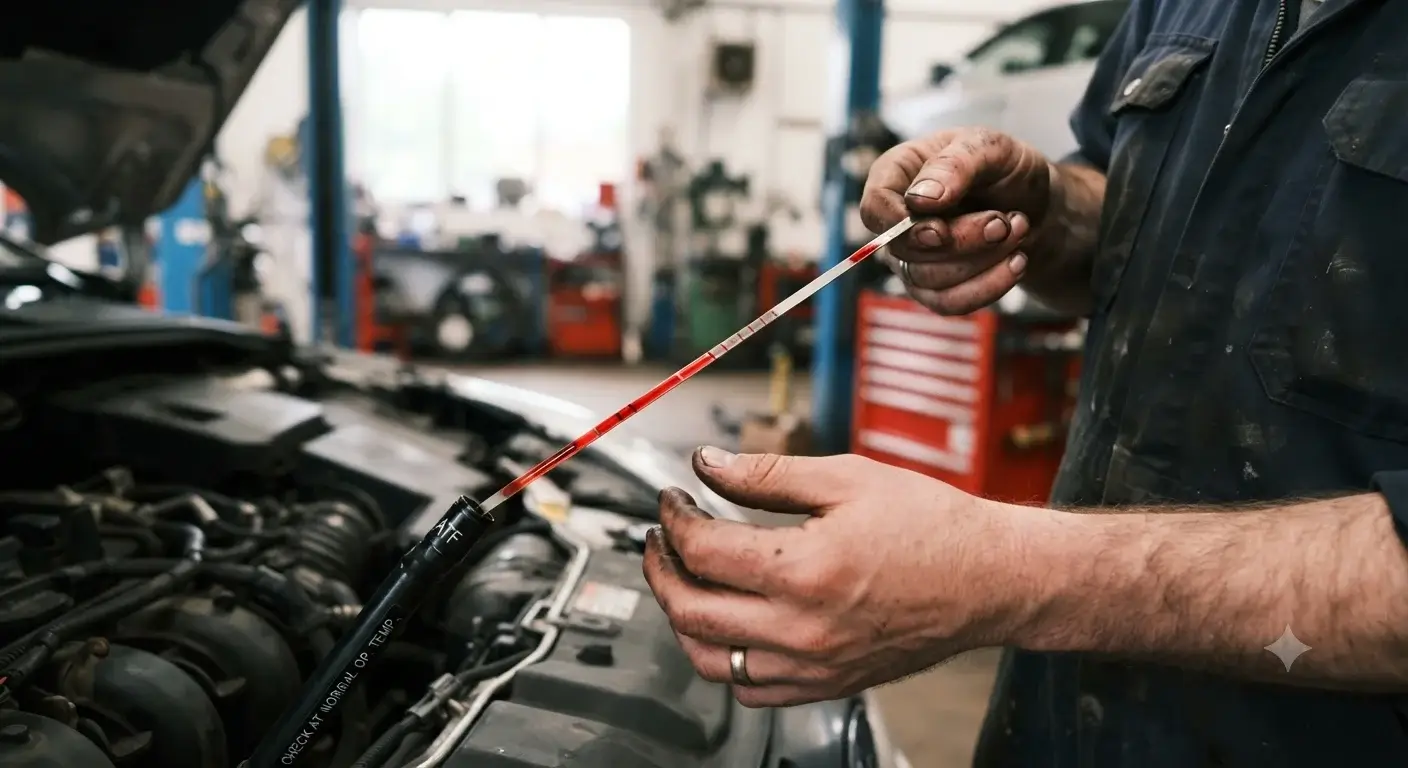
- How to check: Park on level ground, let the engine cool, and use the dipstick. The oil should be between the two notches.
- Coolant: Essential for preventing overheating. Ensure the level is between ‘Min’ and ‘Max’ on the reservoir.
- Screenwash: In the UK, driving with an empty screenwash reservoir can actually result in an MOT fail or an on-the-spot fine if it affects your visibility.
2. Tyre Pressure & Tread Depth (UK Legal Limits)
Your tyres are the only contact point between you and the road. In wet cities like Glasgow, grip is everything.
- Tread Depth: The UK legal limit is 1.6mm across the central three-quarters of the tyre. A quick “20p test” can help: place a 20p coin in the groove; if the outer rim is hidden, you’re likely legal.
- Pressure: Under-inflated tyres increase fuel consumption and wear out faster. Check your manual for the correct PSI and adjust according to your load.
3. Brake System & Battery Health
- Brakes: If you hear squealing or feel a “soft” pedal while driving through hilly areas, get your pads and discs checked immediately.
- Battery: UK winters are notorious for killing car batteries. If your engine cranks slowly on a cold morning, it’s time for a volt test. Keep terminals clean and free of corrosion.
Seasonal Car Maintenance Tips

Winter Prep
- Antifreeze: Ensure your coolant has the right concentration of antifreeze to prevent the engine block from cracking in sub-zero temperatures.
- Lights: With shorter days, check all bulbs (headlights, indicators, and fog lights).
- Winter Kit: Always keep an ice scraper, de-icer, and a warm blanket in the boot.
Summer Prep
- Aircon: Have your system regassed if it’s not blowing cold.
- Wiper Blades: High heat can perish the rubber. If they streak across the glass during a sudden British summer downpour, replace them.
MOT Test Preparation Tips
The MOT is a mandatory annual test for cars over three years old. Nearly 30% of MOT failures are caused by simple issues you can fix yourself.
- Check your lights: Ask a friend to stand behind the car while you test the brakes and indicators.
- Clean the car: A surveyor can refuse to test a car that is excessively dirty or full of clutter.
- Top up fluids: Ensure your oil and screenwash are at healthy levels.
- Check the Horn: It must be loud and clear.
Common Mistakes Car Owners Make
- Ignoring Warning Lights: That “Check Engine” light isn’t a suggestion; it’s a warning. Early diagnosis saves thousands in the long run.
- Using the Wrong Oil: Always refer to your manufacturer’s handbook. Using the wrong viscosity can damage modern turbochargers.
- Skipping the Service: An MOT is not a service. A service replaces filters and fluids that keep the engine healthy.
Cost-Saving Maintenance Tips
- DIY Simple Tasks: Changing wiper blades, cabin filters, and light bulbs is easy and saves you the “labour cost” at a garage.
- Drive Smoothly: Aggressive braking and acceleration wear out pads and tyres much faster.
- Shop Around for Parts: For non-essential components like floor mats or wipers, online retailers often beat main dealer prices.
Conclusion
Staying on top of car maintenance tips UK is the best way to ensure your vehicle remains a reliable asset rather than a financial burden. By spending 15 minutes once a month on basic checks, you protect your safety and your wallet.
Is your car ready for its next long trip? Check your tyre pressure today, and if you’re unsure about a noise or a light, book a professional inspection at a local reputable garage.
My Expert Verdict: A Maintenance Reality Check
In my years of observing vehicle trends across the UK, I’ve realized that maintenance isn’t a “one size fits all” task. Your approach must change depending on what’s in your driveway.
- For the New Car Owner: If you’re driving a modern vehicle with high-tech sensors, my advice is to never ignore a dashboard warning light. These cars are like computers on wheels; a small sensor issue can quickly lead to a “limp mode” situation. Also, always stick to the manufacturer’s specific synthetic oil using the wrong grade in a modern turbocharger is a recipe for disaster.
- For the Older Vehicle Enthusiast: If your car is 10 years or older, you need to be more “hands-on.” From what I’ve seen, the 12,000-mile service interval is too long for older engines. I personally recommend a “Mid-Year Checkup” every 4,000 to 5,000 miles. Don’t just check the oil; look at the rubber hoses and the battery terminals. In our damp UK climate, corrosion is the silent killer of older cars.
- My Golden Rule: Whether it’s a brand-new SUV or a trusty old hatchback, a 15-minute walk-around once a month is your best insurance policy. Check your radiator level, test your lights, and ensure your tyres aren’t balding. It’s the difference between a reliable daily driver and a car that fails you when you need it most.
FAQs
Q1: How often should I check my car oil in the UK?
Ideally, you should check your oil every fortnight or before any long journey.
Q2: What is the legal tyre tread depth in the UK?
The legal minimum is 1.6mm, but most experts recommend replacing tyres once they drop below 3mm for better safety in the rain.
Q3: Can I fail my MOT for no screenwash?
Yes. If your washers do not provide enough liquid to clear the windscreen, it is considered a major fault.
Q4: How often does a car need a full service?
Most manufacturers recommend a full service every 12,000 miles or every 12 months, whichever comes first.
Q5: Why is my car battery dying in the winter?
Cold temperatures reduce the battery’s ability to hold a charge and increase the energy required to start the cold engine.