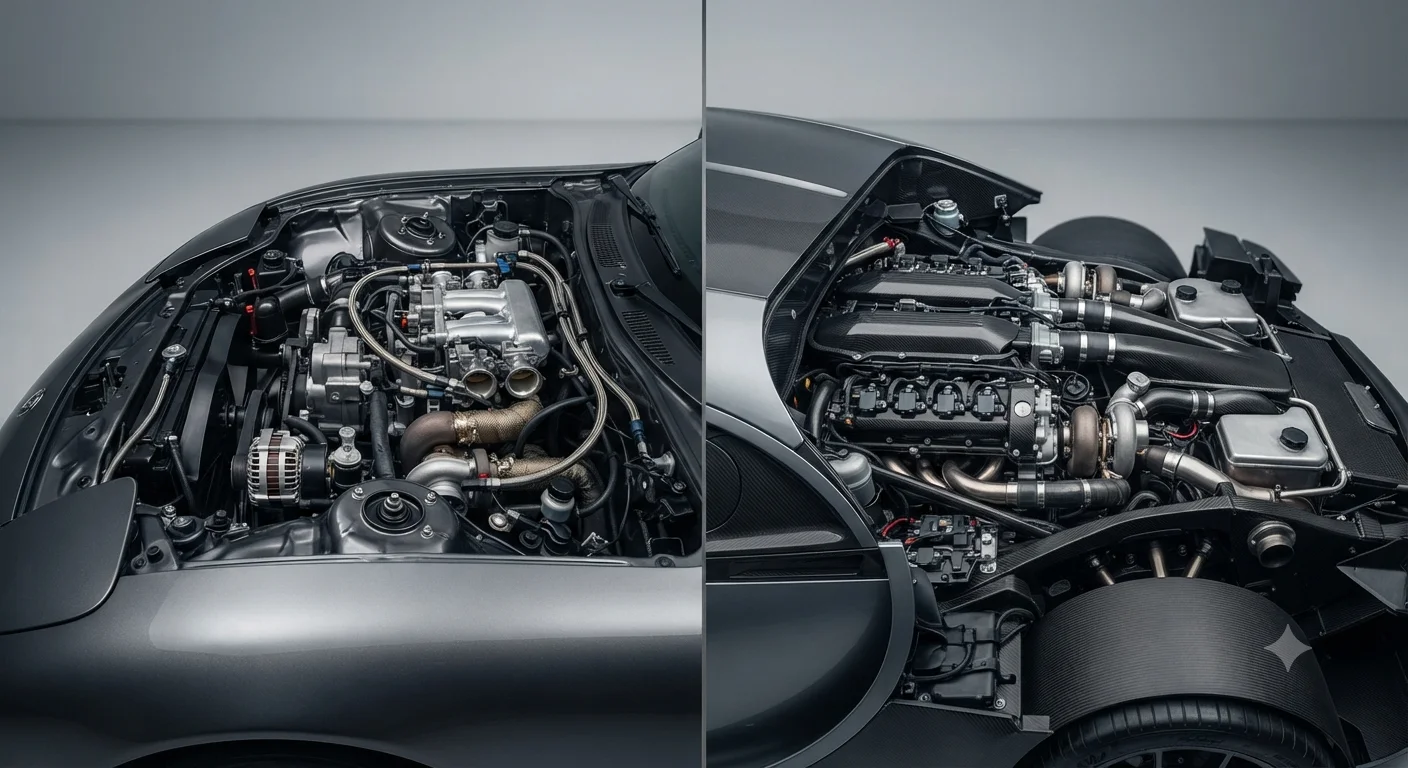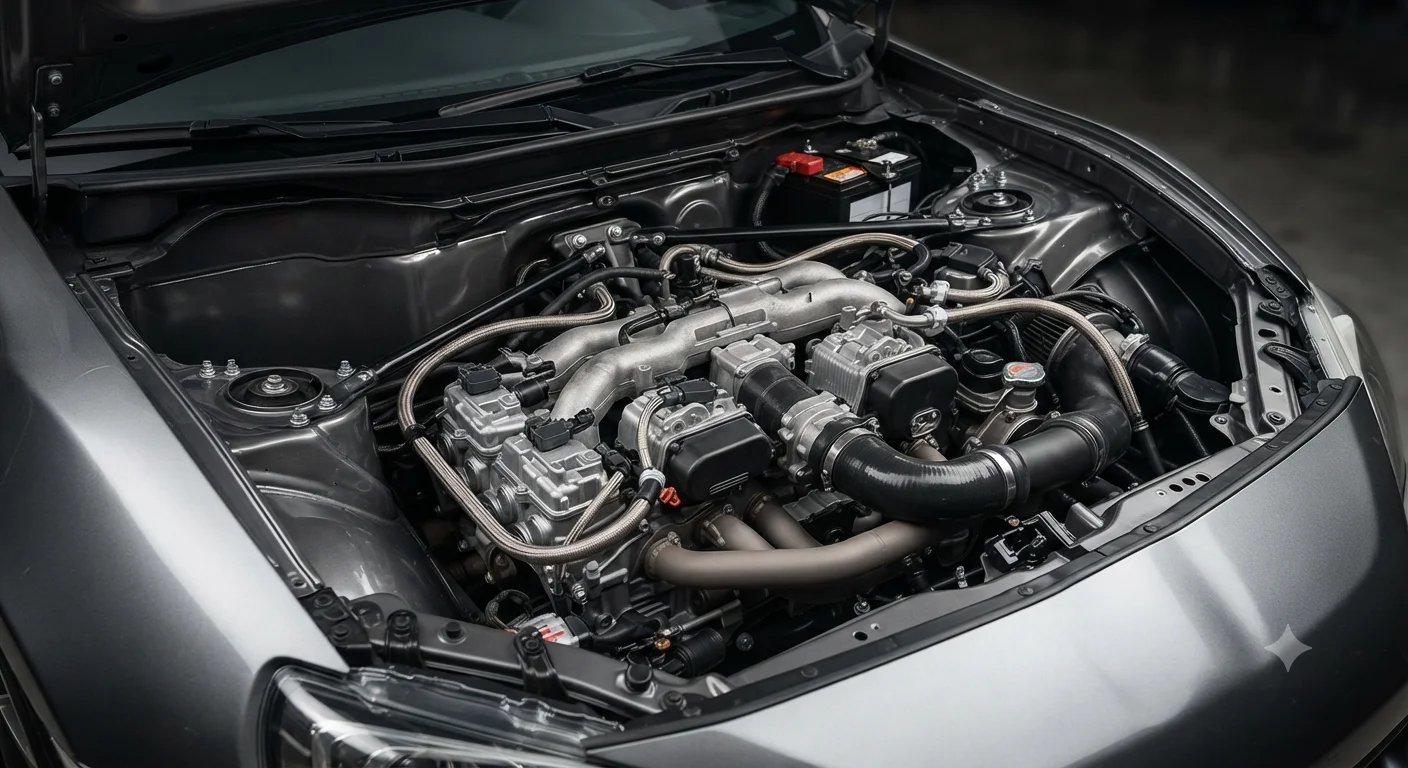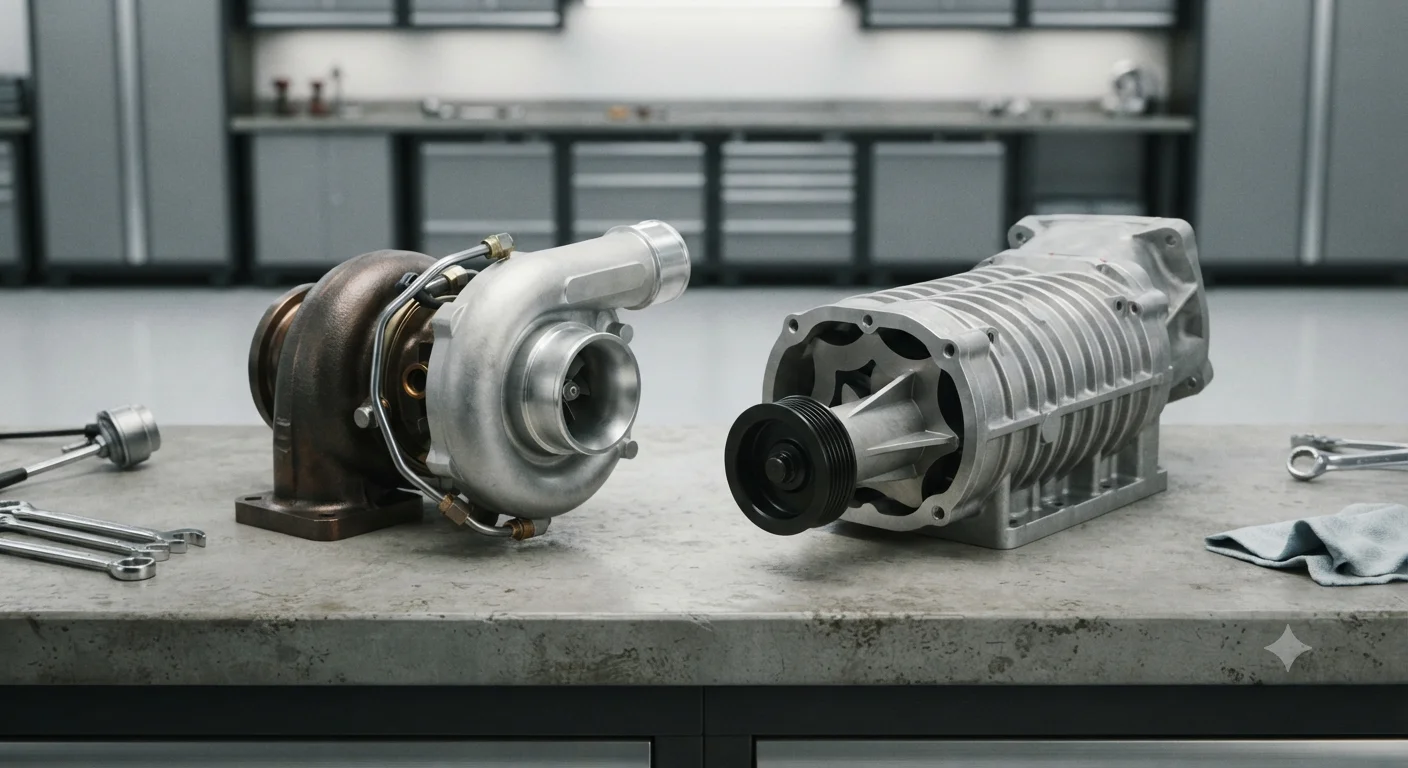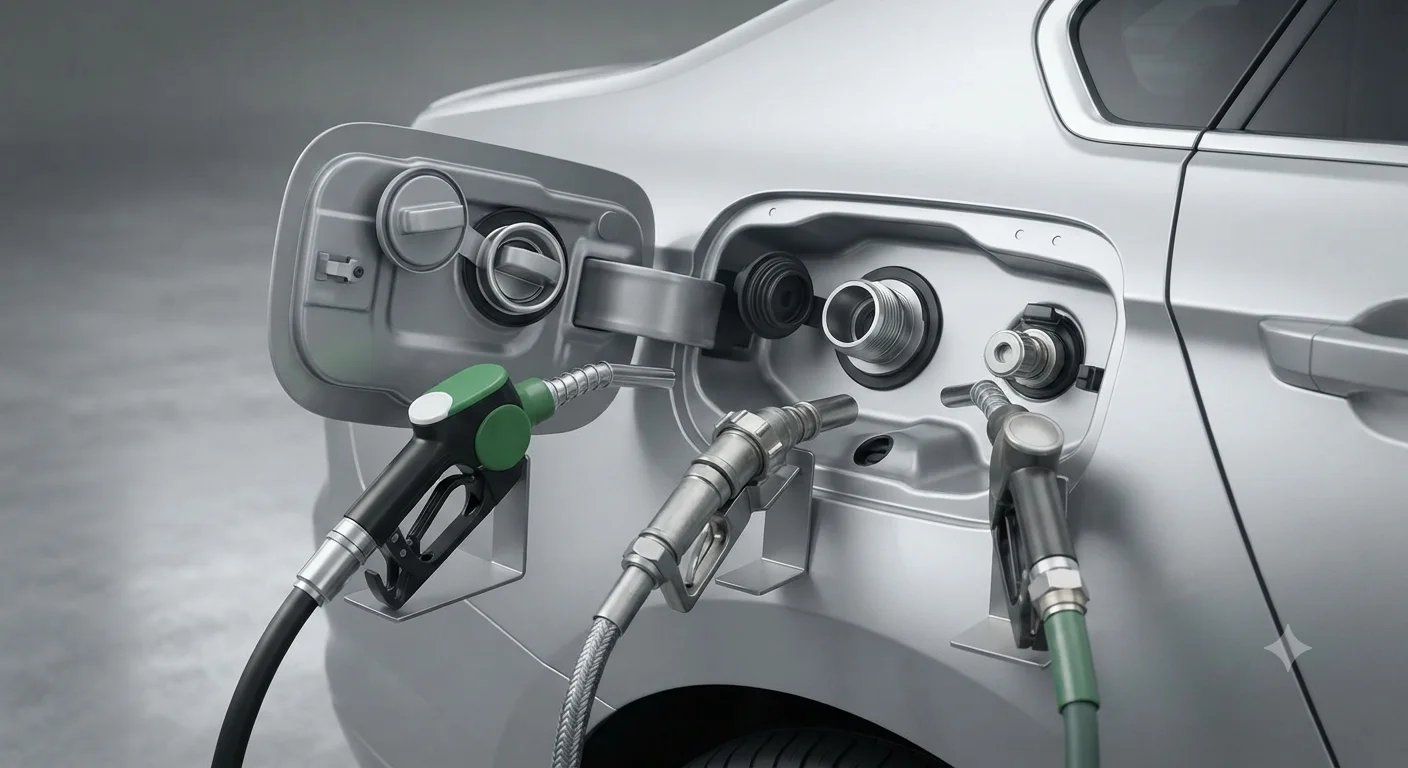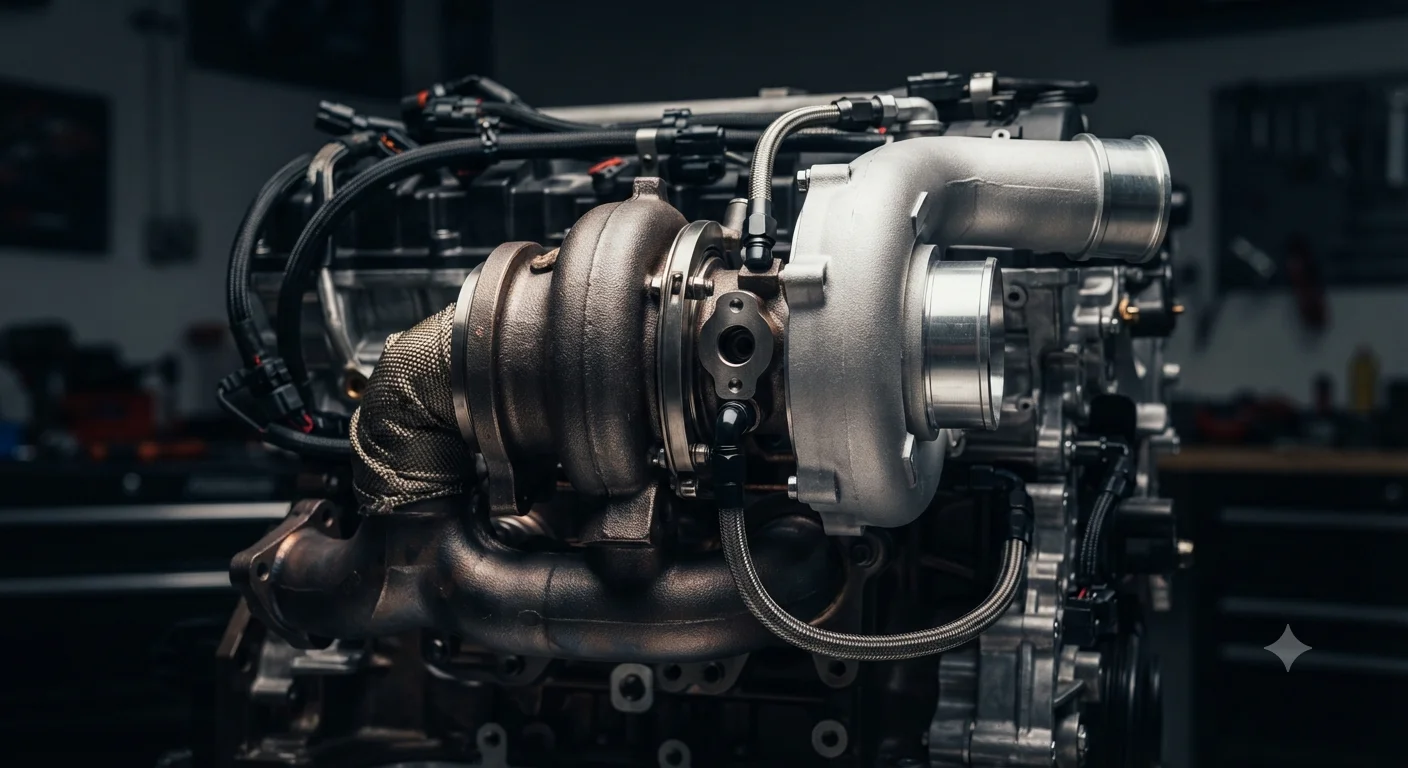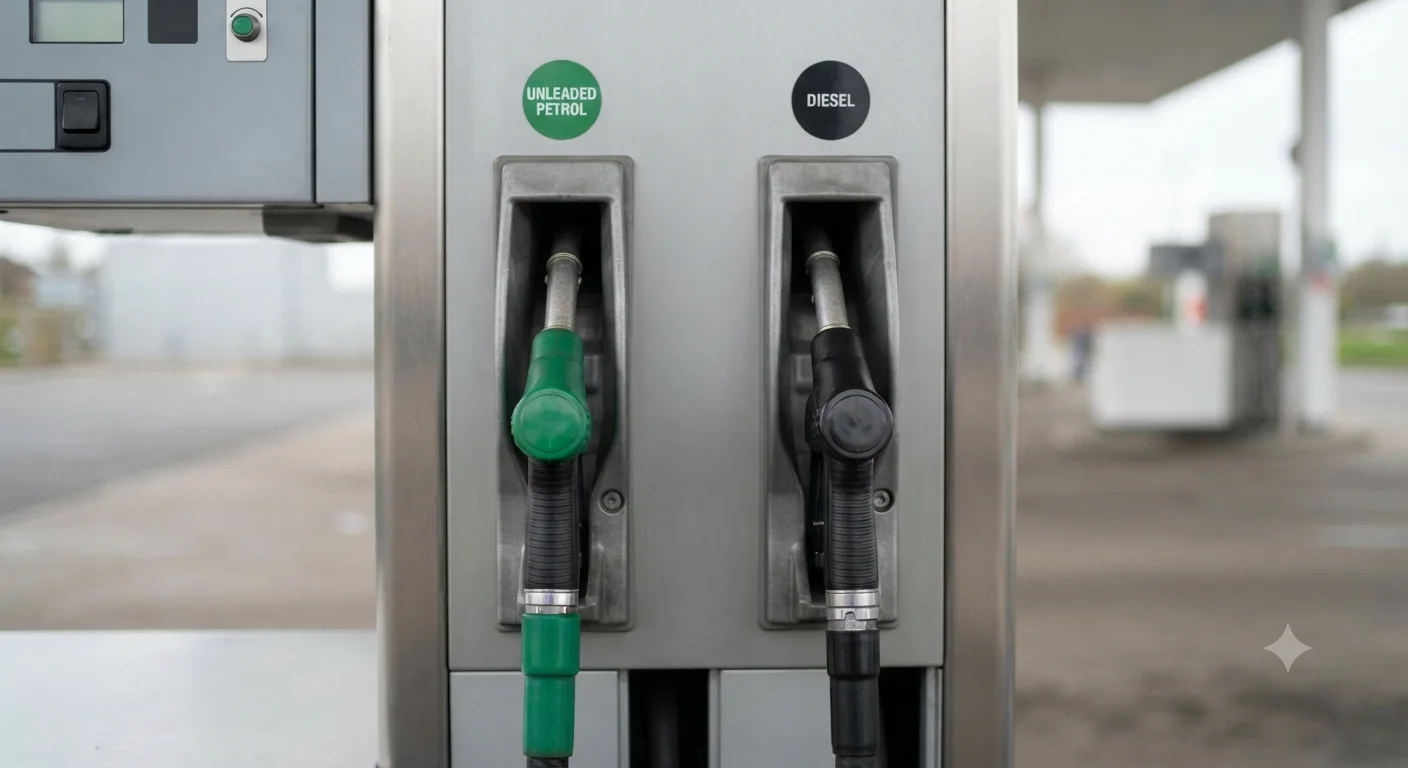
Diesel vs petrol engine question is one of the most searched car decisions in the UK, and it’s still not a simple one to answer. Diesel sales have fallen sharply over the past decade, but for the right driver, a modern common rail diesel engine still makes strong financial sense. Petrol sometimes called a gasoline engine outside the UK remains the default choice for most new car buyers, but it isn’t automatically the cheaper or better option for everyone.
This guide compares diesel and petrol engines properly: how they actually work, where common rail injection fits in, real UK running costs, reliability patterns, and which one suits your driving pattern. It’s part of our wider guide to car fuel types, which covers hybrid, electric, and alternative fuel options too.
Diesel vs Petrol Engine: Quick Answer
Quick answer: Diesel engines generally suit high-mileage motorway drivers and those who tow, thanks to better fuel economy and torque at speed, while petrol engines suit drivers doing mostly shorter, urban journeys, thanks to lower purchase prices, simpler maintenance, and fewer short-journey-related faults.
Neither engine is universally “better” the right choice depends almost entirely on how many miles you cover and what kind of driving you do most.
What Is a Petrol (Gasoline) Engine?
Quick answer: A petrol engine known as a gasoline engine in the US and other markets is an internal combustion engine that ignites a compressed air-fuel mixture using a spark plug, and it remains the most common engine type in new UK cars.
Petrol and gasoline refer to the same fuel; the terminology differs by region, but the engine technology is identical. In the UK, “petrol engine” is the standard term, while “gasoline engine” is more common in American English and often used in international searches and specifications.
Key characteristics of a petrol/gasoline engine:
- Uses spark ignition to burn the air-fuel mixture
- Typically revs higher than diesel, with power delivered further up the rev range
- Generally quieter and smoother-running than diesel
- Usually cheaper to buy, both new and used
What Is a Diesel Engine?
Quick answer: A diesel engine is an internal combustion engine that ignites fuel through the heat generated by high compression alone, without a spark plug, producing strong torque at low revs and typically better fuel economy at motorway speeds.
Diesel engines run at much higher compression ratios than petrol engines, which is why they don’t need a spark plug the air gets hot enough under compression to ignite the injected fuel on its own.
Key characteristics of a diesel engine:
- Uses compression ignition, no spark plug required
- Delivers strong torque at low revs, ideal for towing and heavy loads
- Generally more fuel-efficient than petrol on longer, steady-speed journeys
- Historically noisier and rougher-running, though modern common rail diesels have largely closed this gap
How Diesel and Petrol Engines Actually Work?

Quick answer: Both engine types run on a four-stroke cycle intake, compression, combustion, exhaust but they differ in how the fuel is ignited and at what compression ratio the engine operates.
- Intake – The piston moves down, drawing air (and, in port-injection petrol engines, fuel) into the cylinder.
- Compression – The piston moves up, compressing the air or air-fuel mixture. Diesel engines compress far more tightly than petrol engines.
- Combustion (power stroke) – In a petrol engine, a spark plug ignites the mixture at a precisely timed moment. In a diesel engine, fuel is injected into the superheated compressed air and self-ignites, no spark needed.
- Exhaust – The piston moves up again, pushing spent gases out through the exhaust valve.
The core difference in one line: petrol engines are spark-ignition, diesel engines are compression-ignition and that single distinction explains almost every practical difference between them, from noise and smoothness to torque delivery and fuel economy.
What Is Common Rail Diesel?

Quick answer: Common rail is the fuel injection system used in virtually all modern diesel engines, storing diesel at very high pressure in a shared (“common”) rail and injecting it directly into each cylinder through electronically controlled injectors, allowing far more precise and efficient combustion than older diesel systems.
How Common Rail Differs From Older Diesel Injection?
- Older mechanical/indirect injection systems delivered fuel at lower pressure, controlled mechanically rather than electronically. This produced the harsh, clattery “diesel knock” older diesels were known for, along with higher emissions and coarser fuel delivery.
- Common rail systems hold fuel under very high pressure often well over 1,000 bar and use an engine control unit (ECU) to fire each injector multiple times per combustion cycle in small, precisely timed pulses.
Why Common Rail Matters for Drivers?
- Quieter, smoother running multiple small injection pulses reduce the traditional diesel clatter.
- Better fuel economy precise electronic fuel metering reduces waste compared to older mechanical systems.
- Lower particulate emissions more complete combustion, though NOx output remains a diesel characteristic regardless of injection type.
- More expensive to repair common rail injectors are precision components operating to very tight tolerances, so contaminated or poor-quality diesel can cause disproportionate and costly damage compared to older diesel engines.
In short: if you’re driving a diesel built in the last 15–20 years, it’s almost certainly running common rail injection this is now the industry standard, not a premium feature.
Diesel vs Petrol: Full Comparison Table
| Factor | Petrol (Gasoline) Engine | Diesel Engine (Common Rail) |
|---|---|---|
| Ignition method | Spark plug | Compression (self-ignition) |
| Best for | Short/urban journeys, lower mileage | Long motorway journeys, towing, high mileage |
| Fuel economy | Moderate | Better at steady, higher speeds |
| Torque delivery | Peaks higher in the rev range | Strong torque at low revs |
| Noise/refinement | Generally quieter, smoother | Improved with common rail, but still slightly coarser |
| Purchase price | Usually cheaper | Usually more expensive, new and used |
| CO2 emissions | Moderate–high | Generally lower CO2 |
| NOx emissions | Lower | Higher relevant for Clean Air Zones |
| Servicing cost | Generally cheaper | Slightly higher, especially injector-related repairs |
| Ideal annual mileage | Lower mileage, city driving | Higher mileage, motorway-heavy driving |
Fuel Economy: Real-World UK Figures

Quick answer: Diesel engines typically return noticeably better miles-per-gallon than an equivalent petrol engine on steady motorway driving, but the gap narrows or disappears in stop-start city traffic, where diesel’s efficiency advantage is harder to realize.
- Motorway driving: Diesel’s efficiency advantage is at its strongest here, often returning meaningfully higher mpg than an equivalent petrol engine at a steady 60–70mph.
- Urban/stop-start driving: Diesel’s advantage shrinks significantly, and short-journey diesel driving also increases the risk of DPF problems (covered below).
- Mixed driving: The overall benefit depends heavily on your specific route balance a driver doing 70% motorway miles will see a very different result to one doing 70% urban miles.
Practical takeaway: if your annual mileage is low and mostly urban, the fuel economy advantage of diesel may never be large enough to offset its higher purchase price.
Performance and Driving Feel
Quick answer: Diesel engines feel more effortless at low revs thanks to strong torque delivery, which suits towing and relaxed motorway cruising, while petrol engines tend to feel more responsive and rev-hungry, suiting drivers who prefer a livelier feel or frequent stop-start acceleration.
- Diesel: Pulls strongly from low revs, making it feel relaxed for overtaking at motorway speed and confident when towing a caravan or trailer.
- Petrol: Typically needs higher revs to access peak power, but many drivers find this more engaging, and petrol engines are generally quieter and smoother at idle and low speed.
Emissions and Clean Air Zones
Quick answer: Diesel engines generally produce lower CO2 but higher NOx emissions than petrol, which matters directly for UK Clean Air Zone (CAZ) and Ultra Low Emission Zone (ULEZ) charges, where older diesels are more likely to face daily fees than equivalent petrol models.
- Petrol engines meeting current emissions standards are more likely to be exempt from daily CAZ/ULEZ charges than diesel equivalents of a similar age.
- If you regularly drive into a UK city with an active clean air zone, it’s worth checking your specific engine’s Euro emissions standard before assuming either fuel type is automatically exempt.
- Diesel’s CO2 advantage matters more for company car Benefit-in-Kind calculations and vehicle excise duty than for city-centre emissions charges, where NOx is usually the deciding factor.
Reliability and Common Problems
Quick answer: Both engine types are generally reliable when maintained properly, but diesel engines are more vulnerable to problems caused by short journeys and low-quality fuel, particularly around the DPF and common rail injectors, while petrol direct-injection engines can suffer carbon build-up over time.
| Engine Type | Common Issue | Typical Cause |
|---|---|---|
| Petrol (direct injection) | Carbon build-up on intake valves | Fuel injected directly into the cylinder, no fuel wash over valves |
| Diesel | DPF blockages | Frequent short trips preventing the filter’s regeneration cycle |
| Diesel (common rail) | Injector failure | Contaminated or low-quality fuel damaging precision components |
Signs of Engine Trouble
Quick answer: Watch for a lit engine management or DPF warning light, noticeably worse fuel economy, rough idling, unusual smoke from the exhaust, or hesitant acceleration all are signs worth investigating before they become a costlier repair.
- Engine management light illuminated
- DPF warning light (diesel-specific)
- Noticeably worse fuel economy than usual
- Rough idle or hesitant acceleration
- Excessive smoke from the exhaust black smoke often points to a fuelling issue, blue smoke to oil burning
- Unusual knocking or rattling noises, particularly on cold start
Causes of Common Faults
- Carbon build-up (petrol direct injection): because fuel is injected straight into the cylinder rather than over the intake valves, there’s no ongoing fuel wash to keep the valves clean, so carbon deposits build up gradually over tens of thousands of miles.
- DPF blockages (diesel): short journeys don’t get the exhaust hot enough for long enough to trigger the automatic regeneration cycle that burns off trapped soot, so it accumulates and eventually blocks the filter.
- Common rail injector failure (diesel): injectors operate at extremely high pressure and very tight tolerances, so contaminated fuel, water ingress, or long-term use of poor-quality diesel causes wear far more quickly than it would in an older, lower-pressure injection system.
Repair Options and UK Running Costs
Quick answer: Routine annual servicing is broadly similar in cost across both engine types, but diesel-specific repairs like DPF cleaning and common rail injector replacement can be significantly more expensive than typical petrol engine repairs.
| Repair/Cost Item | Estimated UK Cost |
|---|---|
| Routine annual service (either engine) | £150–£300 |
| DPF cleaning (diesel) | £300–£600 |
| DPF replacement (diesel) | £1,000–£2,000+ |
| Common rail injector replacement (per injector) | £150–£450+ depending on model |
| Petrol direct-injection carbon clean | £100–£250 |
| Timing belt/chain replacement (either engine) | £300–£800 depending on model |
Costs are indicative UK averages for 2025–2026 and vary by manufacturer, model, and location. Always get a written quote from an approved garage before committing to major repair work.
Maintenance Tips for Diesel and Petrol Engines
- Diesel: Take a longer, motorway-speed drive regularly to let the DPF regenerate fully, and always use good-quality diesel from a reputable fuel station to protect common rail injectors.
- Petrol: Take occasional longer drives and use quality fuel to help reduce carbon build-up on direct-injection valves.
- Both: Keep to the manufacturer’s recommended service intervals rather than stretching them, particularly for oil changes and timing components.
- Both: Address warning lights promptly a small fault caught early is almost always cheaper than the same fault left to develop.
- Both: Use a garage familiar with your specific engine type, especially for diesel injector or DPF work, where the wrong approach can cause further damage.
Buying Guide: Which One Suits You?
Quick answer: Choose diesel if you regularly cover high motorway mileage or tow, and choose petrol if most of your driving is shorter and urban, or if your annual mileage is too low for diesel’s fuel savings to offset its higher purchase and repair costs.
Ask yourself these questions before choosing:
- What’s your realistic annual mileage, and how much of it is motorway vs urban?
- Do you tow a caravan, trailer, or heavy load regularly?
- Do you drive into cities with active Clean Air Zones or ULEZ charges?
- How long do you typically keep a car before changing it?
- Are you comparing like-for-like models, since the price and running cost gap varies significantly by manufacturer and model?
Mistakes to Avoid
- Buying a diesel for mostly short, local journeys this is one of the most common causes of DPF and injector problems, and the fuel economy advantage rarely materializes at low mileage anyway.
- Assuming diesel is always cheaper to run it depends entirely on mileage and driving pattern; at low annual mileage, petrol is often the cheaper overall choice once purchase price and diesel-specific repairs are factored in.
- Ignoring the DPF or injector history on a used diesel ask for service records and evidence of regular longer journeys.
- Buying based on emissions labels without checking the actual Euro standard this matters directly for Clean Air Zone and ULEZ charges.
- Skipping fuel quality using cheap, poor-quality diesel is a common and avoidable cause of expensive common rail injector failures.
Myths vs Facts
| Myth | Fact |
|---|---|
| “Diesel is always cheaper to run than petrol.” | Only true at higher annual mileage, particularly motorway-heavy driving at low mileage, petrol is often the cheaper overall choice. |
| “Modern diesels are just as clean as petrol.” | Modern common rail diesels have much lower particulate emissions than older diesels, but they still typically produce higher NOx than an equivalent petrol engine. |
| “Common rail diesel is a premium upgrade, not the standard.” | It’s actually been the industry standard on diesel cars for well over a decade nearly all diesels sold in recent years use common rail injection. |
| “Petrol engines don’t have any fuel system problems.” | Direct-injection petrol engines can suffer carbon build-up on intake valves over time, just as diesels can suffer DPF and injector issues. |
| “Diesel engines always last longer than petrol.” | Both can be very durable with proper maintenance; longevity depends more on driving pattern, servicing history, and fuel quality than the engine type alone. |
Diesel vs Petrol Checklist (Quick Reference)
- Work out your realistic annual mileage and motorway-to-urban ratio
- Check whether you regularly drive into a Clean Air Zone or ULEZ
- Compare like-for-like purchase price, not just fuel economy claims
- Ask for DPF and injector service history on a used diesel
- Factor in diesel-specific repair costs, not just fuel savings
- Confirm the specific Euro emissions standard if city driving is a factor
- Get a full service history regardless of which engine you choose
Conclusion and Recommendation
Diesel vs petrol engine decision comes down to one thing more than any other: your realistic annual mileage and driving pattern. A modern common rail diesel genuinely earns its keep for high-mileage motorway drivers and those who tow regularly, delivering strong fuel economy and torque that a petrol or gasoline, in international terms engine typically can’t match at those speeds. But for shorter, more urban journeys, petrol remains the simpler, generally cheaper option, both to buy and to maintain.
Neither engine is a wrong choice on its own the mistake is choosing based on assumptions rather than your actual driving pattern. For a wider look at how diesel and petrol compare against hybrid, electric, and alternative fuel options, see our full guide to car fuel types.
Call to Action: Work out your average annual mileage and motorway-to-urban split first, then compare total running costs purchase price, fuel, and likely repairs before deciding between diesel and petrol.
Frequently Asked Question
What is the main difference between a diesel and petrol engine?
Petrol engines use a spark plug to ignite the fuel-air mixture, while diesel engines rely on high compression alone to ignite the fuel, with no spark plug needed.
Is a gasoline engine the same as a petrol engine?
Yes “gasoline engine” is the American English term for what’s called a “petrol engine” in the UK; the fuel and engine technology are identical.
What is common rail diesel?
It’s the fuel injection system used in virtually all modern diesel engines, storing fuel at very high pressure in a shared rail and injecting it directly into each cylinder through electronically controlled injectors for more precise, efficient combustion.
Is diesel cheaper to run than petrol in 2026?
Only at higher annual mileage, particularly with a lot of motorway driving at lower mileage or mostly urban use, petrol is often the cheaper overall option once purchase price and diesel-specific repair costs are considered.
Why do diesel engines have more torque than petrol engines?
Diesel’s higher compression ratio and combustion characteristics naturally produce strong torque at low revs, which is why diesels feel effortless when towing or overtaking at motorway speed.
What causes a diesel particulate filter (DPF) to block?
Frequent short journeys that don’t let the exhaust get hot enough for long enough to trigger the automatic regeneration cycle that burns off trapped soot.
Are common rail diesel injectors expensive to replace?
Yes, relative to most petrol engine repairs individual injector replacement can cost from around £150 to £450 or more per injector, depending on the model, because they’re precision components.
Is diesel worse for the environment than petrol?
It depends on which pollutant matters most diesel typically produces lower CO2 but higher NOx emissions than petrol, so the comparison isn’t a simple better-or-worse answer.
Do petrol engines have any fuel system problems like diesel does?
Yes direct-injection petrol engines can suffer carbon build-up on intake valves over time, since fuel is injected straight into the cylinder rather than washing over the valves.
Will diesel cars be banned in the UK?
New purely petrol and diesel cars will stop being sold from 2030 under current UK policy, but existing diesel and petrol cars remain completely legal to own, drive, and sell indefinitely.
What’s the best engine type for towing?
Diesel is generally the stronger choice for regular towing, thanks to its strong low-rev torque delivery compared to an equivalent petrol engine.
How do I know if my diesel has common rail injection?
Almost every diesel car built in the last 15–20 years uses common rail injection it’s been the industry standard for well over a decade, not a rare premium feature.
Is it worth buying a diesel for low-mileage city driving?
Generally no diesel’s efficiency and torque advantages are hardest to realise in short, urban journeys, and this driving pattern also increases the risk of DPF problems.
Which engine type has cheaper routine servicing?
Routine annual servicing costs are broadly similar for both, but diesel-specific repairs like DPF and injector work tend to push diesel’s overall long-term maintenance cost higher.
Can a diesel engine run on petrol by mistake, or vice versa?
No putting the wrong fuel in either engine type can cause serious damage, since diesel and petrol engines are built around completely different ignition and injection systems.