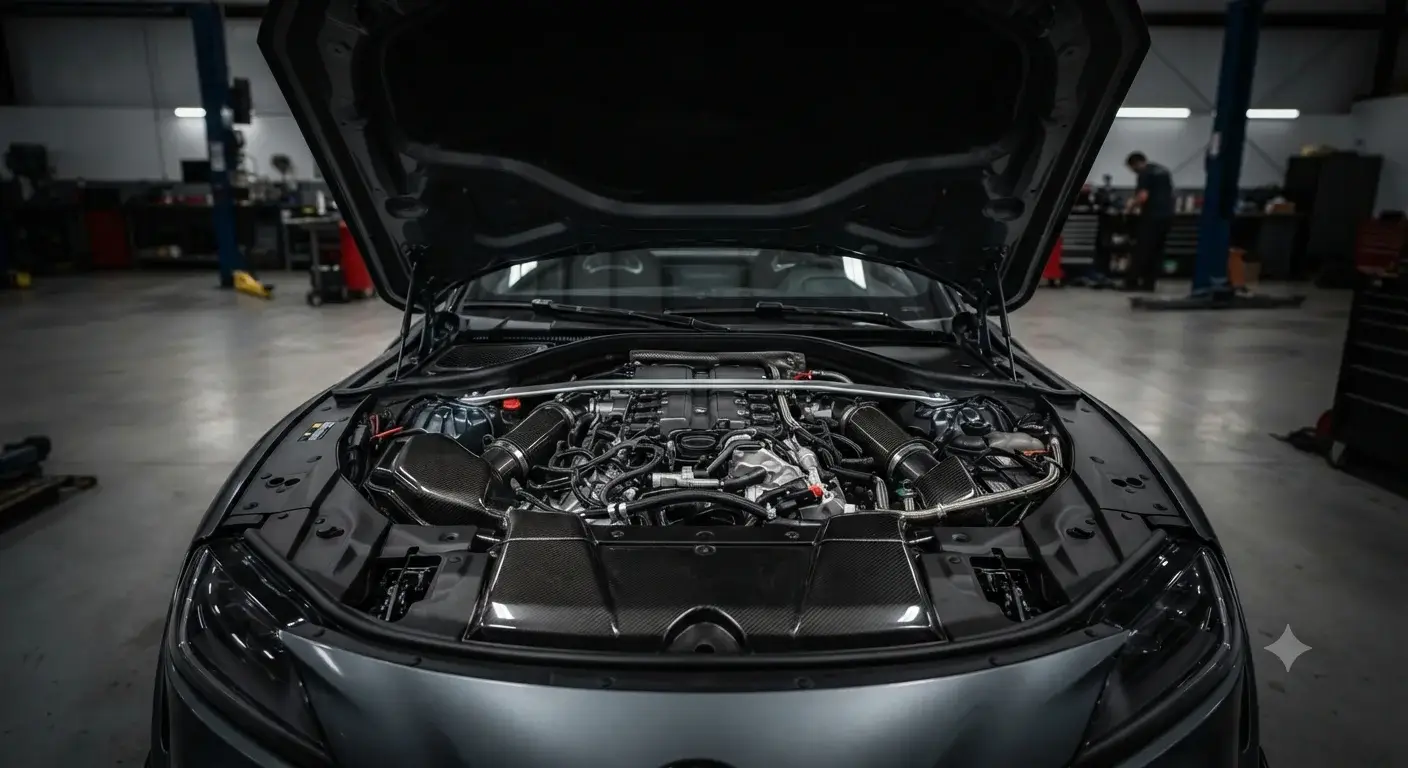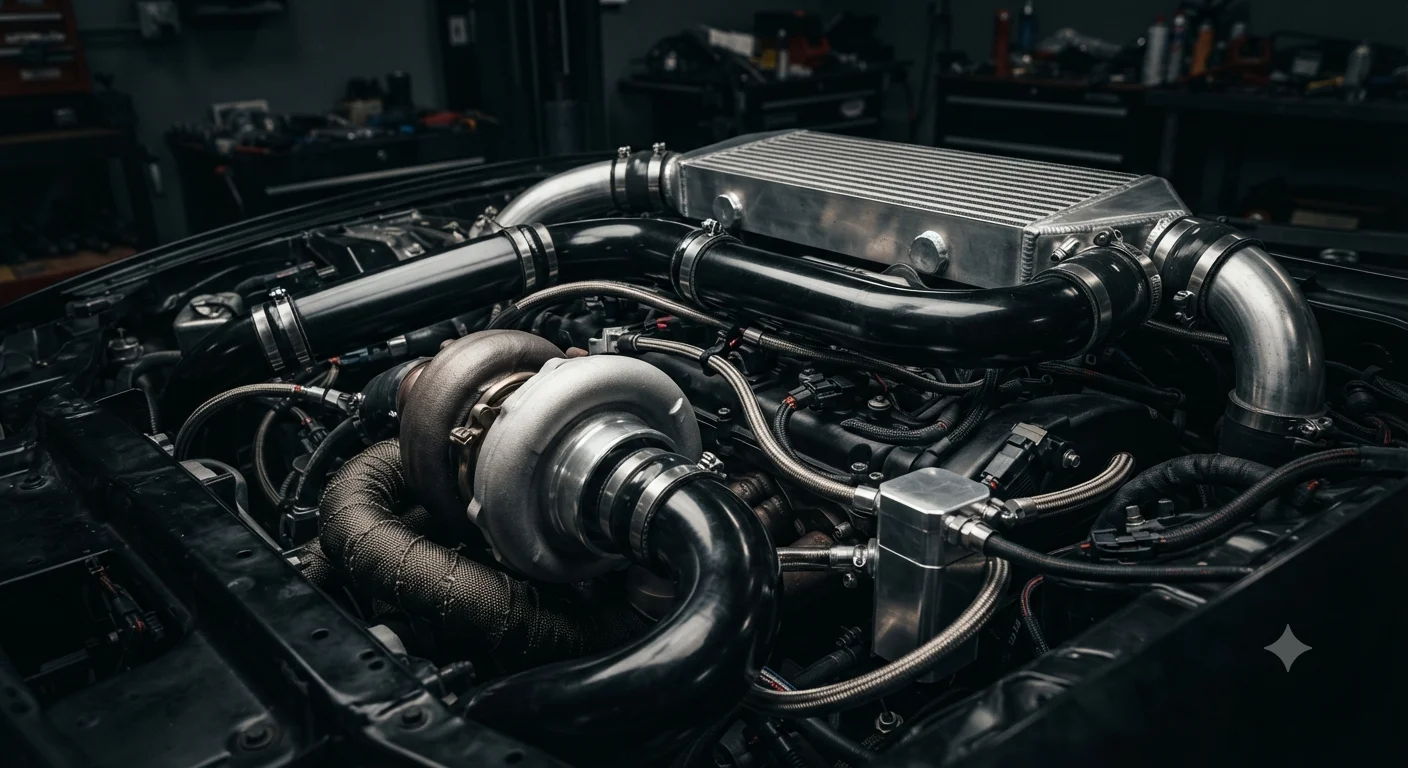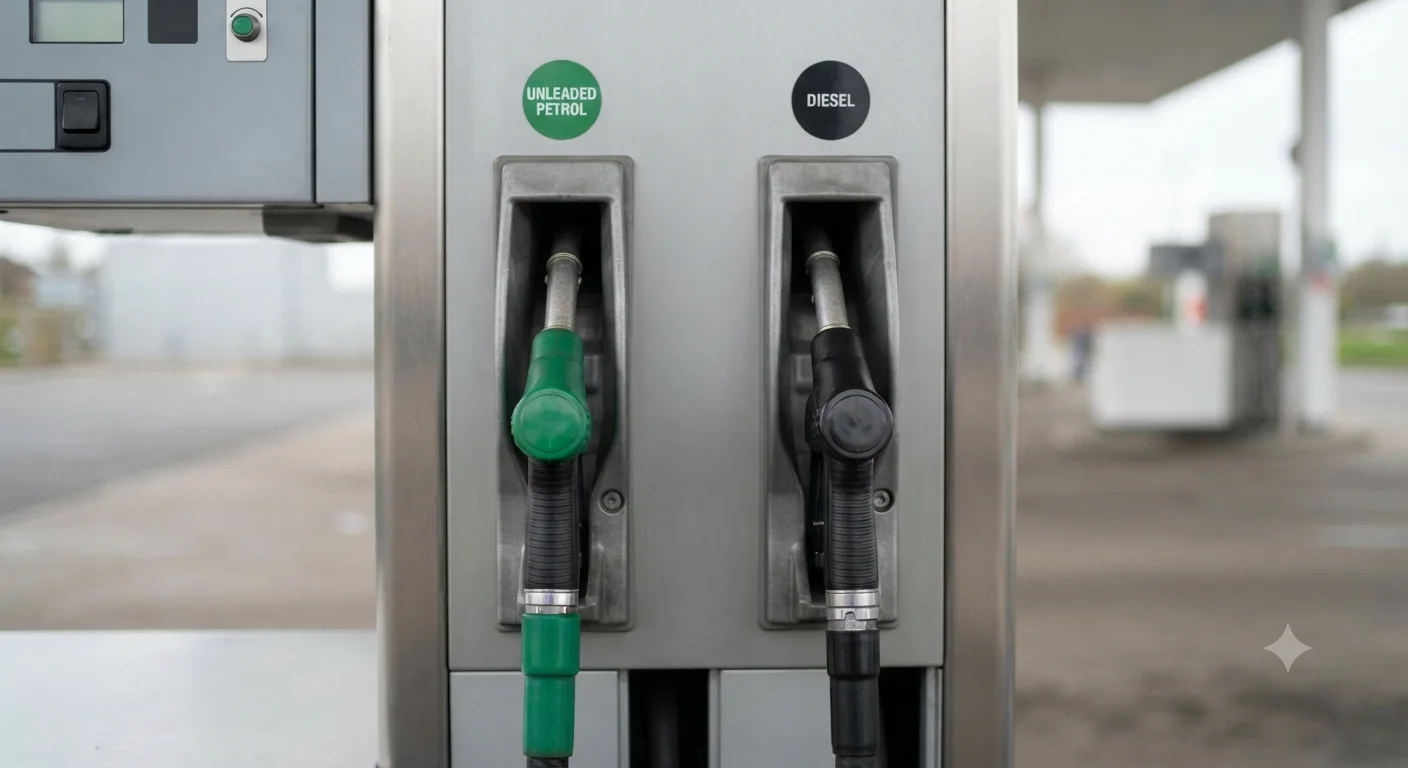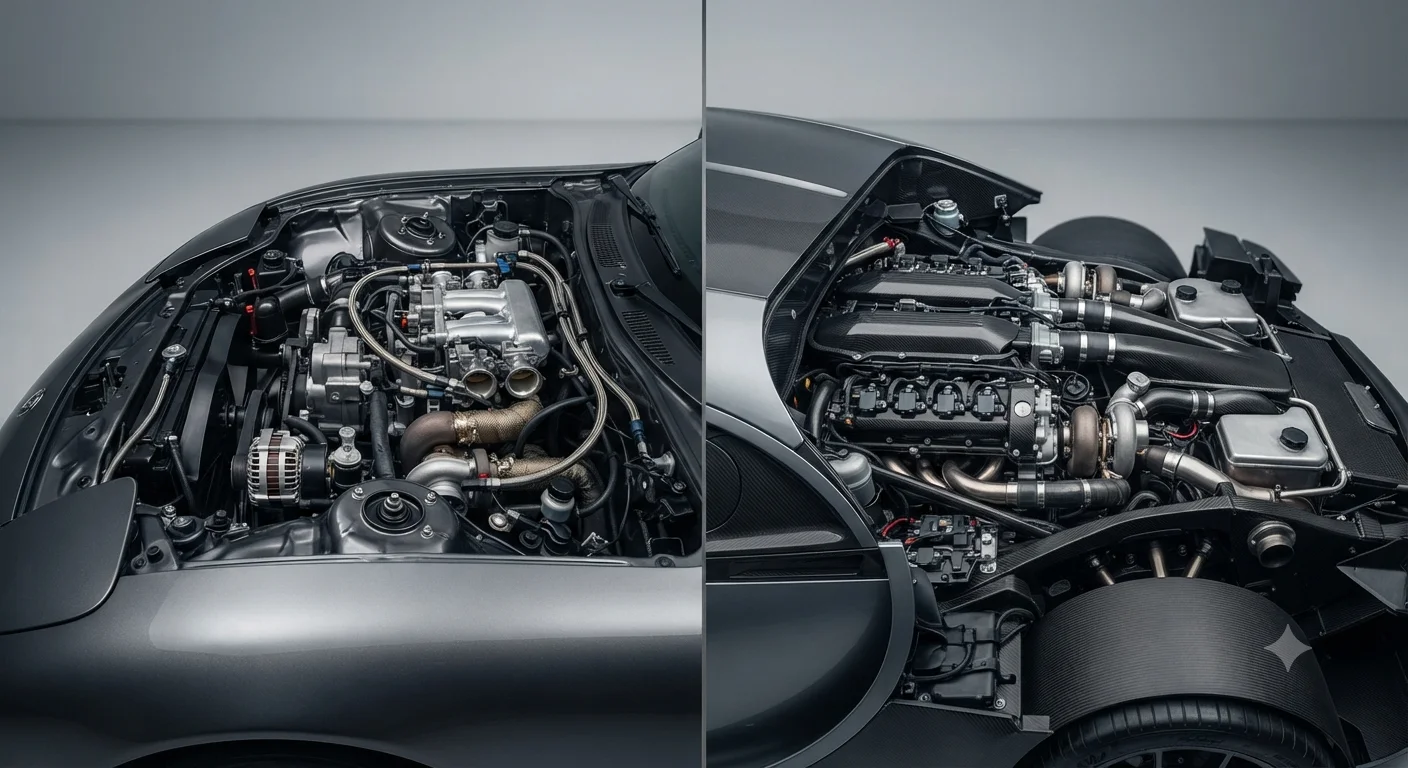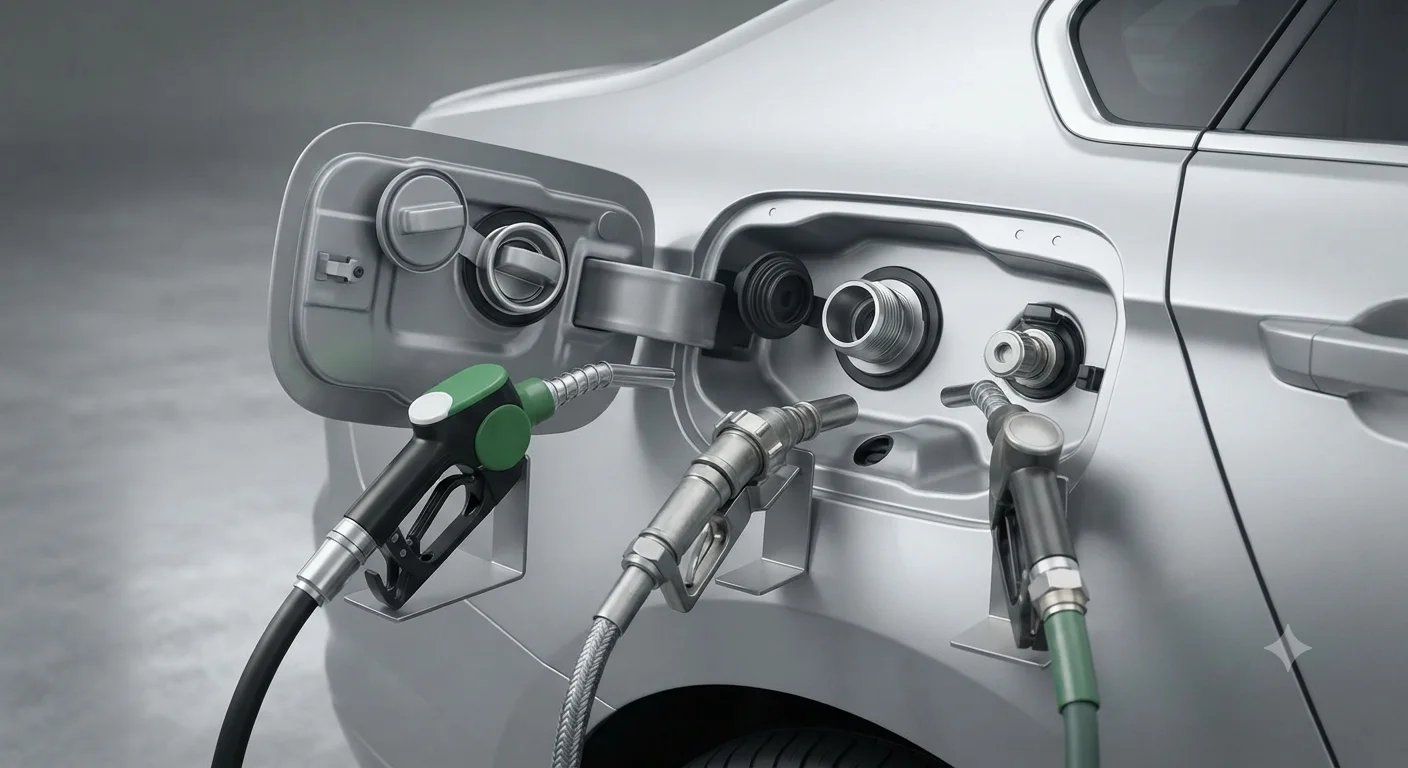
Flex Fuel E85 fuel prices in the UK have pushed a lot of drivers to look beyond petrol and diesel. Three options keep coming up in forums and garage conversations: flex fuel E85, CNG car engines, and LPG conversion. Each works differently, costs different amounts to set up, and suits different types of driving.
This guide breaks down what each option actually is, what it costs in the UK, and most importantly the pros and cons, so you can work out which one (if any) makes sense for your car.
What Is Flex Fuel E85?

Quick answer: Flex fuel E85 is a petrol-ethanol blend containing up to 85% bioethanol, usable in vehicles built with a flex-fuel engine that can automatically adjust to different ethanol ratios.
Standard UK petrol (E10) contains up to 10% ethanol. E85, by contrast, is mostly ethanol typically 51–83% depending on the season and supplier, blended with regular unleaded. A car needs to be flex-fuel capable (FFV) to run on it safely, meaning the engine management system, fuel lines, seals, and injectors are built to tolerate ethanol’s different combustion properties.
How It Works?
Flex-fuel vehicles use a sensor to detect the ethanol content of whatever fuel is in the tank, then adjust the air-fuel ratio and ignition timing automatically. This lets the same car run on anything from pure petrol to E85 without driver intervention.
Some non-flex-fuel petrol cars can be retrofitted with a flex-fuel conversion kit, which adds a controller module that reads ethanol content and recalibrates fuelling on the fly.
Where E85 Fits in the UK?
E85 availability in the UK is limited compared with mainland Europe you’ll mostly find it at specialist fuel stations rather than major forecourts. This is one of the biggest practical drawbacks for UK drivers considering it.
What Is a CNG Car Engine?

Quick answer: A CNG car engine runs on compressed natural gas stored in high-pressure tanks, either as a dedicated gas engine or a bi-fuel setup that can switch between petrol and gas.
Compressed Natural Gas (CNG) is mostly methane, compressed to around 200–250 bar and stored in reinforced cylinders, usually in the boot or underbody. Most CNG cars sold in Europe are bi-fuel, meaning they can run on either petrol or CNG, switching automatically or via a dashboard button.
How It Works?
The gas is fed from the tank through a pressure regulator that steps it down to a usable level, then injected into the intake in gas form (rather than liquid, as with LPG). Combustion is generally cleaner because methane burns more completely than petrol.
CNG in the UK Market
CNG passenger cars are far less common in the UK than in Italy or Germany. New CNG models are mostly limited to vans and commercial vehicles, and public CNG refuelling stations are sparse this is the single biggest barrier for private UK drivers.
LPG Conversion Explained

Quick answer: LPG conversion fits a car’s petrol engine with a secondary fuel system that runs on liquefied petroleum gas, a propane-butane mix, typically cutting fuel costs by 30–40% per mile.
LPG (Liquefied Petroleum Gas) is stored as a liquid under moderate pressure and vaporised before combustion. Unlike CNG, LPG conversion is a well-established aftermarket industry in the UK, with certified installers, an active network of LPG-supplying forecourts, and decades of real-world use.
How LPG Conversion Works?
- A gas tank (toroidal, in the spare wheel well, or cylindrical, in the boot) is fitted.
- A vaporiser converts liquid LPG to gas.
- Injectors deliver gas into the intake manifold.
- An ECU switch (often automatic) manages the changeover between petrol and LPG.
Most conversions keep the original petrol tank intact, so the car still runs on petrol if the LPG runs out.
Flex Fuel vs CNG vs LPG: Quick Comparison Table
| Feature | Flex Fuel E85 | CNG | LPG Conversion |
|---|---|---|---|
| Fuel type | Ethanol-petrol blend | Compressed methane gas | Liquefied propane-butane |
| UK fuel availability | Very limited | Very limited | Moderate, growing scarce |
| Typical conversion cost | £500–£1,500 (kit) | £1,500–£3,000+ | £1,500–£2,500 |
| Fuel cost savings vs petrol | 10–15% (lower MPG offsets savings) | 30–40% | 30–40% |
| Engine wear impact | Can increase wear if unmanaged | Generally low, cleaner burn | Low with proper servicing |
| Range on alternative fuel | Similar to petrol | Shorter (bulky tanks) | Slightly shorter than petrol |
| Suitable for older engines | Only with compatible ECU | Requires purpose-built system | Most petrol engines |
| CO2 emissions | Can be lower (well-to-wheel) | Lower NOx and particulates | Lower CO2 and particulates |
Cost Breakdown (UK Pricing)

Quick answer: LPG conversion typically costs £1,500–£2,500, CNG conversion £1,500–£3,000+, and flex-fuel kits £500–£1,500, with payback periods ranging from 18 months to 3 years depending on annual mileage.
| Cost Item | Flex Fuel E85 | CNG | LPG |
|---|---|---|---|
| Conversion/kit cost | £500–£1,500 | £1,500–£3,000+ | £1,500–£2,500 |
| Fuel price per litre (approx, UK) | Similar to petrol, sometimes cheaper | Priced per kg, often 40–50% less than petrol | 45–55p/litre vs ~£1.40+ for petrol |
| Annual servicing add-on | Minimal | £50–£150 | £50–£150 |
| Tank recertification | N/A | Periodic pressure testing required | Periodic tank testing (typically every 10 years) |
| Insurance impact | Usually negligible | Notify insurer; may adjust premium | Notify insurer; may adjust premium |
Payback period depends heavily on mileage. A driver doing 15,000+ miles a year on LPG or CNG can often recoup conversion costs within 18–24 months. Lower-mileage drivers may take 3+ years to break even, which changes the economics significantly.
Pros and Cons of Each Option
Flex Fuel E85
Pros:
- Ethanol is a renewable fuel, which can lower lifecycle carbon emissions
- Higher octane rating can support more power in tuned engines
- No need to carry a separate gas tank
Cons:
- Very few UK forecourts stock E85
- Lower energy density means reduced MPG, which can eat into savings
- Non-FFV engines risk seal and injector damage without proper conversion
CNG Car Engine
Pros:
- Cleanest-burning of the three, with lower NOx and particulate emissions
- Gas is typically cheaper per mile than petrol or diesel
- Reduces engine deposits, which can extend service intervals
Cons:
- UK refuelling infrastructure is sparse outside a few regions
- Tanks take up significant boot space
- Conversion costs are the highest of the three options
LPG Conversion
Pros:
- Most mature and widely supported conversion market in the UK
- Strong fuel cost savings (often 30–40% per mile)
- Dual-fuel setup means you’re never stranded without petrol
- Generally lower emissions than petrol
Cons:
- LPG-specific filling stations are becoming harder to find as the network shrinks
- Slight loss of boot space for the tank
- A small MPG penalty compared with petrol (typically 10–15% lower economy)
Common Problems and Solutions
Quick answer: The most common issues are hard starting on gas in cold weather, injector wear from poor-quality fuel, and reduced boot space all manageable with correct installation and servicing.
| Problem | Likely Cause | Solution |
|---|---|---|
| Hard starting on LPG/CNG in cold weather | Vaporiser not warmed up | Most systems auto-start on petrol, then switch ensure this is correctly calibrated |
| Reduced power on gas | Poor-quality installation or worn injectors | Use a certified installer (LPGA-registered for LPG) and service the gas system regularly |
| Fuel smell near tank | Loose fitting or ageing seal | Have the system pressure-tested immediately by a qualified technician |
| Flex fuel engine running rough | Ethanol sensor miscalibration | Reset/recalibrate the flex-fuel controller |
| Reduced boot space | Tank placement | Choose a toroidal (spare-wheel-well) tank where compatible |
Safety Considerations
Quick answer: All three fuel systems are safe when installed and maintained by certified professionals, but gas systems (CNG and LPG) require periodic tank inspection and should never be serviced by unqualified installers.
- Always use an LPGA-approved installer for LPG conversions in the UK.
- CNG tanks must be periodically pressure-tested; never exceed the manufacturer’s recertification schedule.
- Inform your insurer about any conversion undeclared modifications can invalidate cover.
- Have annual gas-system safety checks alongside your normal MOT and service.
- If you smell gas at any point, stop the vehicle, switch to petrol mode if available, and get it inspected before driving further.
Maintenance Tips
Quick answer: Gas and flex-fuel systems need slightly more frequent attention than standard petrol setups expect annual filter changes, periodic injector cleaning, and tank inspections on the manufacturer’s schedule.
- Replace gas filters annually or as specified by the installer.
- Have injectors checked for carbon build-up every 12,000–15,000 miles.
- Keep the petrol tank topped up on dual-fuel systems, even if you mostly run on gas this helps lubricate valve seats on older engines.
- Follow the tank recertification schedule strictly (commonly every 10 years for LPG/CNG tanks in the UK).
- For flex fuel, check ethanol-compatible seals and hoses periodically, especially on retrofitted (non-factory) systems.
Buying and Conversion Checklist
- Confirm your engine type is compatible with the conversion (some engines, like direct-injection petrol units, are harder to convert)
- Check local fuel availability before committing map out CNG/LPG/E85 stations near your regular routes
- Get quotes from at least two certified installers
- Ask for a written warranty on the conversion work
- Confirm the installer is LPGA-registered (for LPG) or equivalent certification for CNG
- Notify your insurer before the conversion, not after
- Budget for the annual servicing add-on, not just the upfront cost
- Check your car’s resale value impact buyers are wary of gas conversions
Mistakes to Avoid
- Choosing the cheapest installer. Poor installation is the leading cause of performance and safety issues in gas conversions.
- Ignoring fuel availability near you. A conversion is only worth it if you can actually access the fuel regularly.
- Skipping insurance notification. This can void your policy entirely.
- Assuming any petrol car can run E85. Non-FFV engines need proper conversion, not just a fuel switch.
- Neglecting tank recertification dates. This is a legal and safety requirement, not optional maintenance.
Myths vs Facts
| Myth | Fact |
|---|---|
| LPG conversions ruin your engine | Correctly installed and maintained LPG systems generally cause no more wear than petrol, and can reduce carbon deposits |
| CNG cars are unsafe due to gas tanks | CNG tanks are built to strict pressure and impact standards and are rigorously tested |
| E85 always saves money | Lower energy density can offset the lower price per litre, so savings depend on your engine and driving style |
| You can’t get insurance for a converted car | Most UK insurers cover LPG and CNG conversions once declared |
| Gas conversions are illegal in the UK | They are fully legal when installed by a certified technician and declared to your insurer and, where relevant, the DVLA |
Which One Should You Choose?
Quick answer: LPG conversion currently offers the best balance of cost, savings, and UK infrastructure support for most private drivers; CNG suits high-mileage fleet or commercial use where refuelling access is planned; flex fuel E85 remains impractical for most UK drivers due to limited fuel availability.
- Choose LPG if you drive a petrol car regularly, want proven savings, and have reasonable access to LPG stations on your usual routes.
- Choose CNG if you’re running a fleet or commercial vehicle with access to dedicated CNG refuelling, and you value lower emissions.
- Consider flex fuel E85 only if your vehicle is already FFV-capable from the factory, or if you have consistent access to E85 near you otherwise the infrastructure gap makes it a harder sell in the UK right now.
Conclusion
Flex fuel E85, CNG, and LPG conversion all offer genuine ways to cut fuel costs and reduce emissions, but none of them work equally well everywhere in the UK. LPG remains the most practical and widely supported option for most private drivers today, while CNG suits specific commercial use cases, and E85 is held back mainly by limited fuel station coverage.
Whichever route you’re considering, the deciding factors always come back to the same three things: your annual mileage, your local fuel access, and the quality of your installer.
Call to Action
Thinking about converting your car? Get quotes from certified installers in your area, check fuel station coverage on your regular routes, and always confirm the conversion with your insurer before you commit.
Frequently Asked Question
What is flex fuel E85?
Flex fuel E85 is a blend of up to 85% ethanol and petrol, designed for vehicles with flex-fuel-capable engines that can automatically adjust to different ethanol ratios.
Can any petrol car run on E85?
No. Standard petrol engines need a flex-fuel conversion kit or factory FFV capability to safely run on E85, due to differences in combustion and material compatibility.
How much does LPG conversion cost in the UK?
LPG conversion typically costs between £1,500 and £2,500, depending on the vehicle and installer, with most private cars breaking even within 18 months to 3 years.
Is LPG conversion worth it?
For drivers covering higher annual mileage with reasonable access to LPG stations, conversion is usually worth it thanks to 30–40% lower fuel costs per mile.
Are CNG cars available to buy new in the UK?
New CNG passenger cars are limited in the UK market, with most CNG vehicles being commercial vans; private buyers usually rely on conversions or imported models.
Is CNG cheaper than petrol?
Yes, CNG is generally 30–40% cheaper per mile than petrol, though the higher conversion cost and limited refuelling network affect overall value.
Does LPG conversion damage your engine?
No, when installed and maintained correctly by a certified technician, LPG conversion does not damage the engine and can reduce carbon build-up compared with petrol.
Do I need to tell my insurer about a gas conversion?
Yes, always. Failing to declare an LPG, CNG, or flex-fuel conversion can invalidate your insurance policy.
How much boot space does an LPG tank take up?
A toroidal LPG tank fitted in the spare wheel well typically preserves most boot space, while a cylindrical tank in the boot itself reduces usable space more noticeably.
Is E85 available at UK petrol stations?
E85 availability is very limited in the UK, generally found only at specialist stations rather than major forecourt chains.
How often does an LPG or CNG tank need testing?
UK regulations typically require gas tank recertification approximately every 10 years, though this should always be confirmed with your installer and tank manufacturer.
Does LPG conversion reduce fuel economy?
Yes, slightly most LPG-converted cars see roughly 10–15% lower MPG on gas compared with petrol, which is factored into the overall cost savings.
Is flex fuel E85 better for the environment?
E85 can lower lifecycle carbon emissions due to ethanol’s renewable origin, though the actual environmental benefit depends on how the ethanol is produced.
Can I switch between petrol and LPG while driving?
Yes, most LPG conversions include an automatic or manual switch that allows seamless changeover between petrol and gas while driving.
Which is cheaper to convert: LPG or CNG?
LPG conversion is generally cheaper than CNG, with LPG typically costing £1,500–£2,500 versus £1,500–£3,000+ for CNG systems.