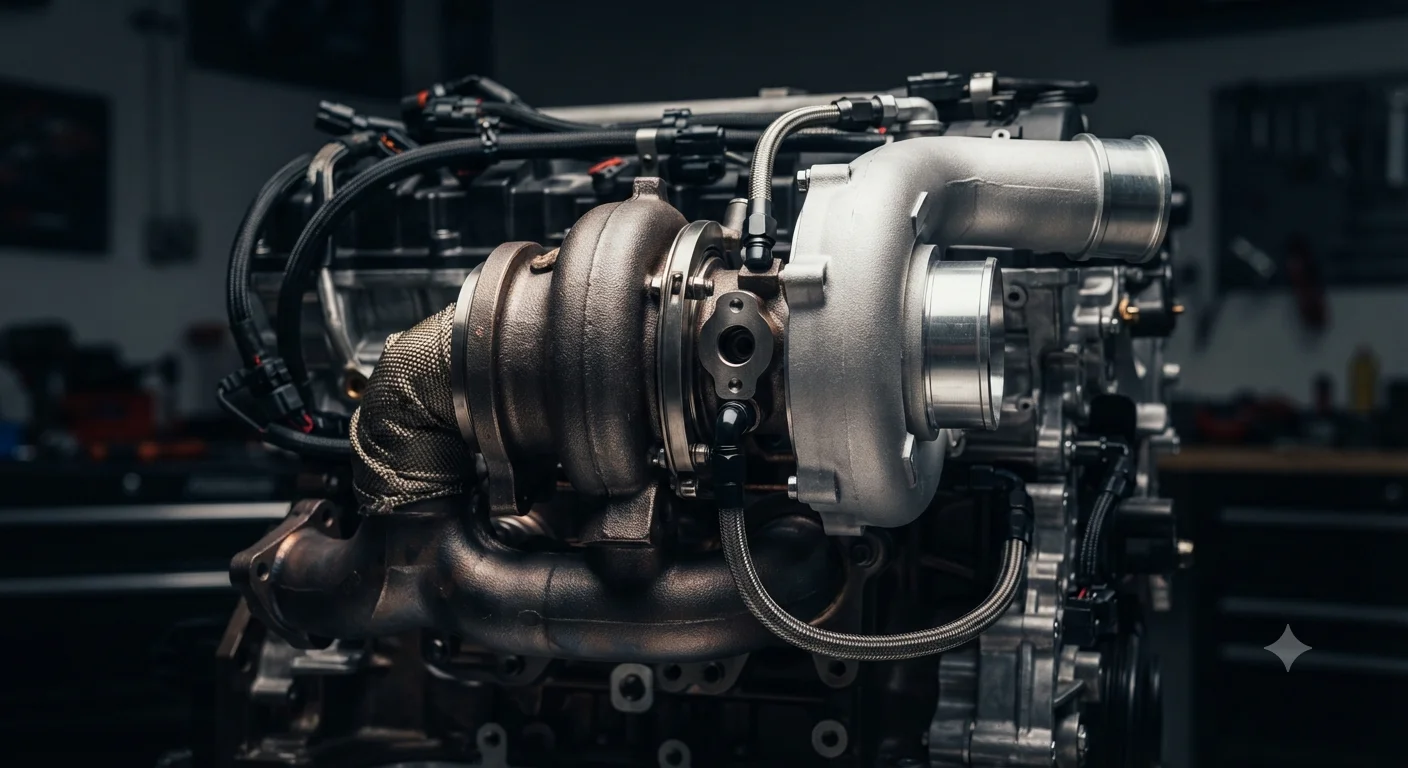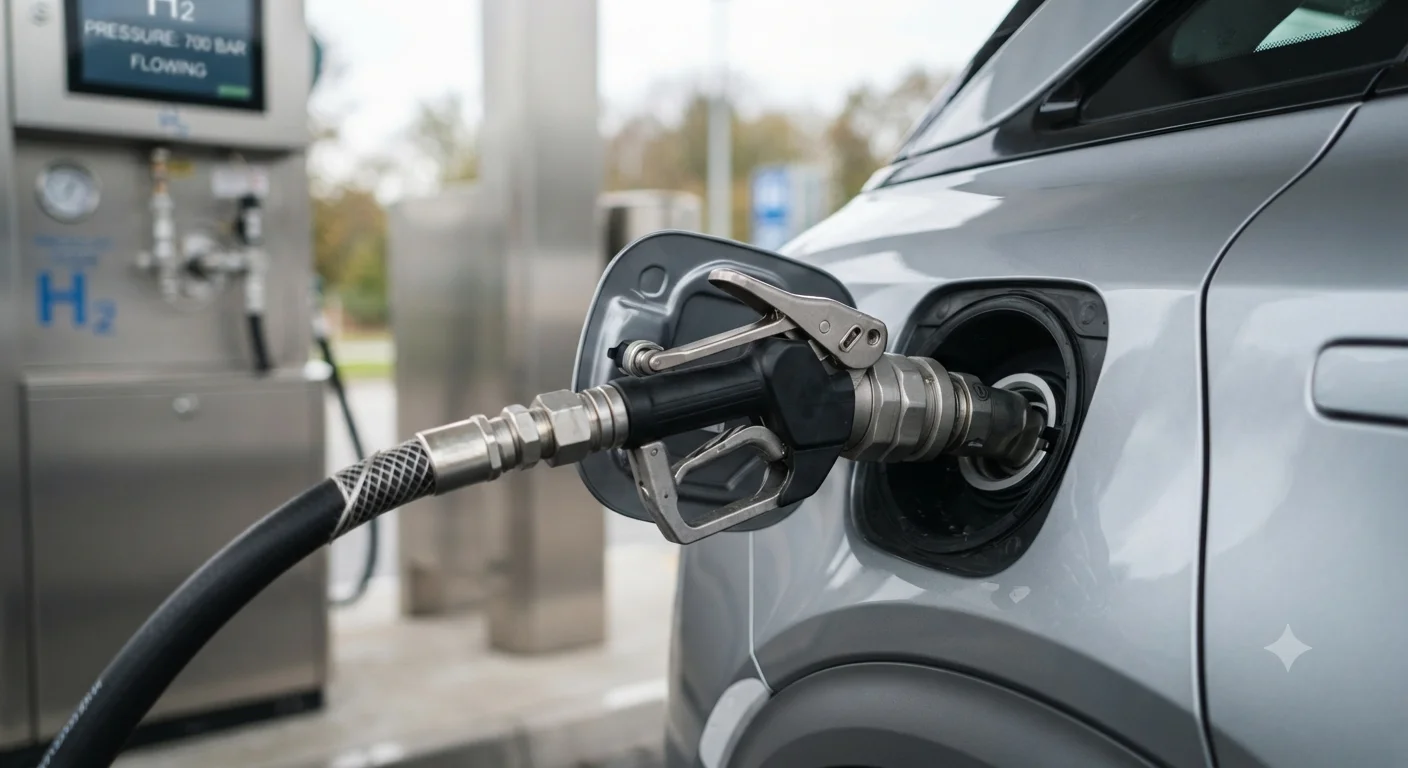
Hydrogen Car Engine keeps coming up in conversations about the future of motoring, but most of that talk is about fuel cells and electric motors. There’s a quieter, less-discussed technology working alongside it: the hydrogen car engine, built around HICE (Hydrogen Internal Combustion Engine) technology. Unlike hydrogen fuel cell vehicles, these engines burn hydrogen directly, much like a traditional petrol engine burns fuel.
This guide explains what a hydrogen internal combustion engine actually is, how it works, what it costs, and where the technology realistically stands for UK drivers today.
What Is a Hydrogen Car Engine?
Quick answer: A hydrogen car engine is an internal combustion engine modified to burn hydrogen gas instead of petrol or diesel, producing mechanical power through combustion rather than through an electrochemical fuel cell reaction.
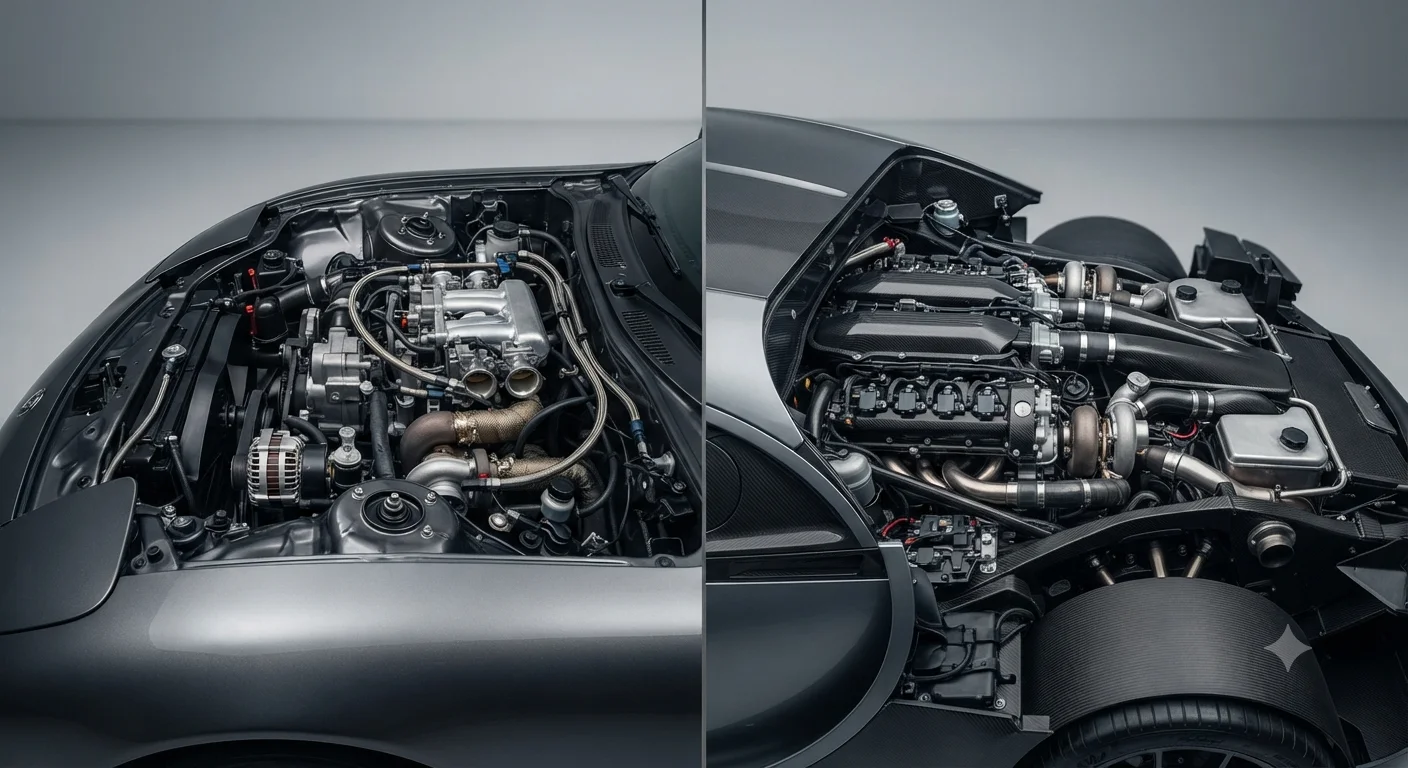
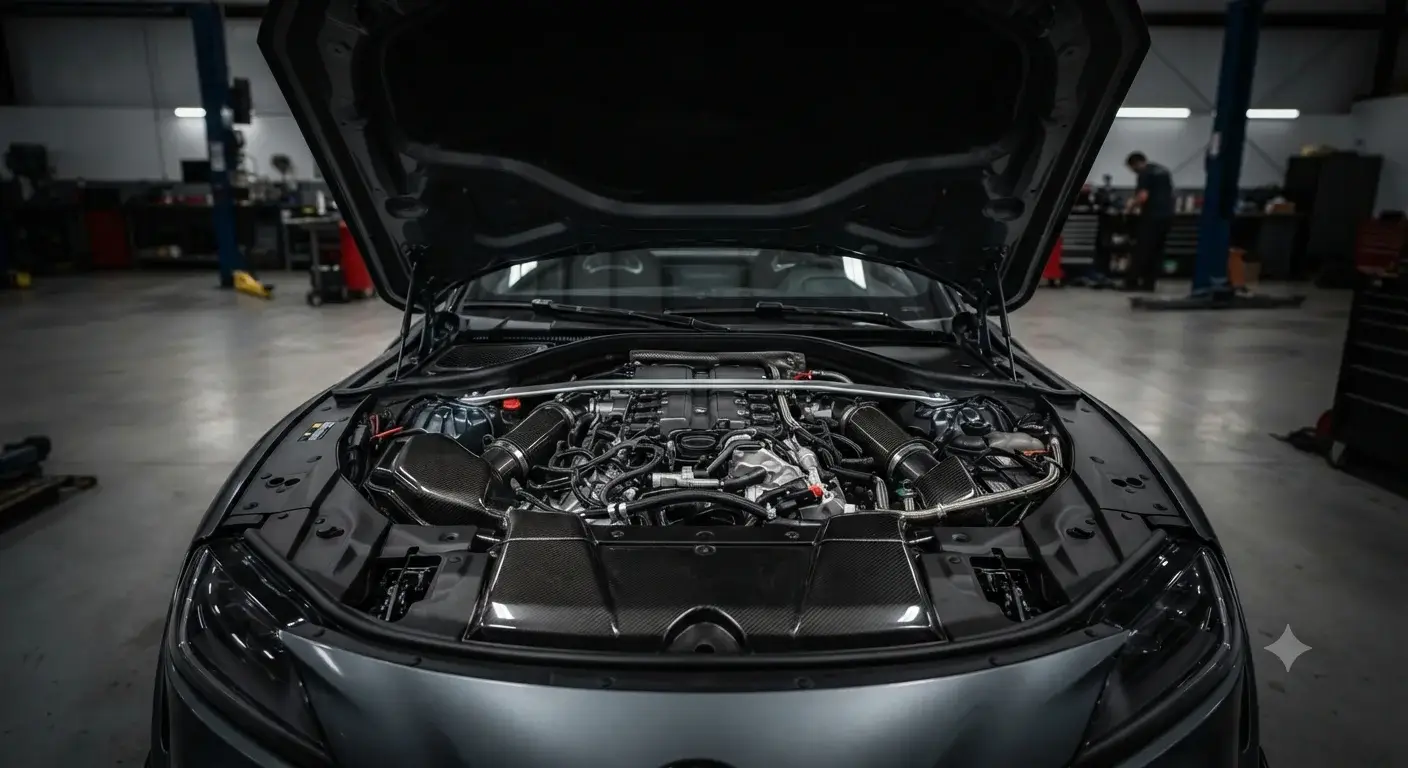
A hydrogen car engine looks mechanically similar to a conventional petrol engine pistons, cylinders, a crankshaft but it’s engineered to handle hydrogen’s very different combustion characteristics. Hydrogen burns faster and at a wider range of air-fuel ratios than petrol, which changes how the engine needs to be tuned, sealed, and cooled.
This is distinct from a hydrogen fuel cell vehicle, which uses hydrogen to generate electricity through a chemical reaction and drives an electric motor. A hydrogen combustion engine, by contrast, burns the gas directly in the same way a petrol or CNG engine does.
What Is HICE Technology?

Quick answer: HICE stands for Hydrogen Internal Combustion Engine a purpose-built or converted engine designed specifically to combust hydrogen efficiently while minimising issues like pre-ignition and NOx emissions.
HICE technology refers to the specific engineering adaptations needed to make an internal combustion engine run well on hydrogen. This includes.
- Direct injection systems to control hydrogen delivery precisely and reduce the risk of pre-ignition
- Reinforced cylinder materials to handle hydrogen’s faster flame speed
- Modified cooling systems to manage the higher combustion temperatures
- NOx reduction technology, since hydrogen combustion still produces nitrogen oxides even though it produces no CO2 from the fuel itself
Major manufacturers, including Toyota and several commercial vehicle makers, have publicly trialled HICE technology in motorsport and heavy-duty applications, treating it as a bridge technology between conventional combustion and full electrification.
How Hydrogen Internal Combustion Works?

Step-by-step:
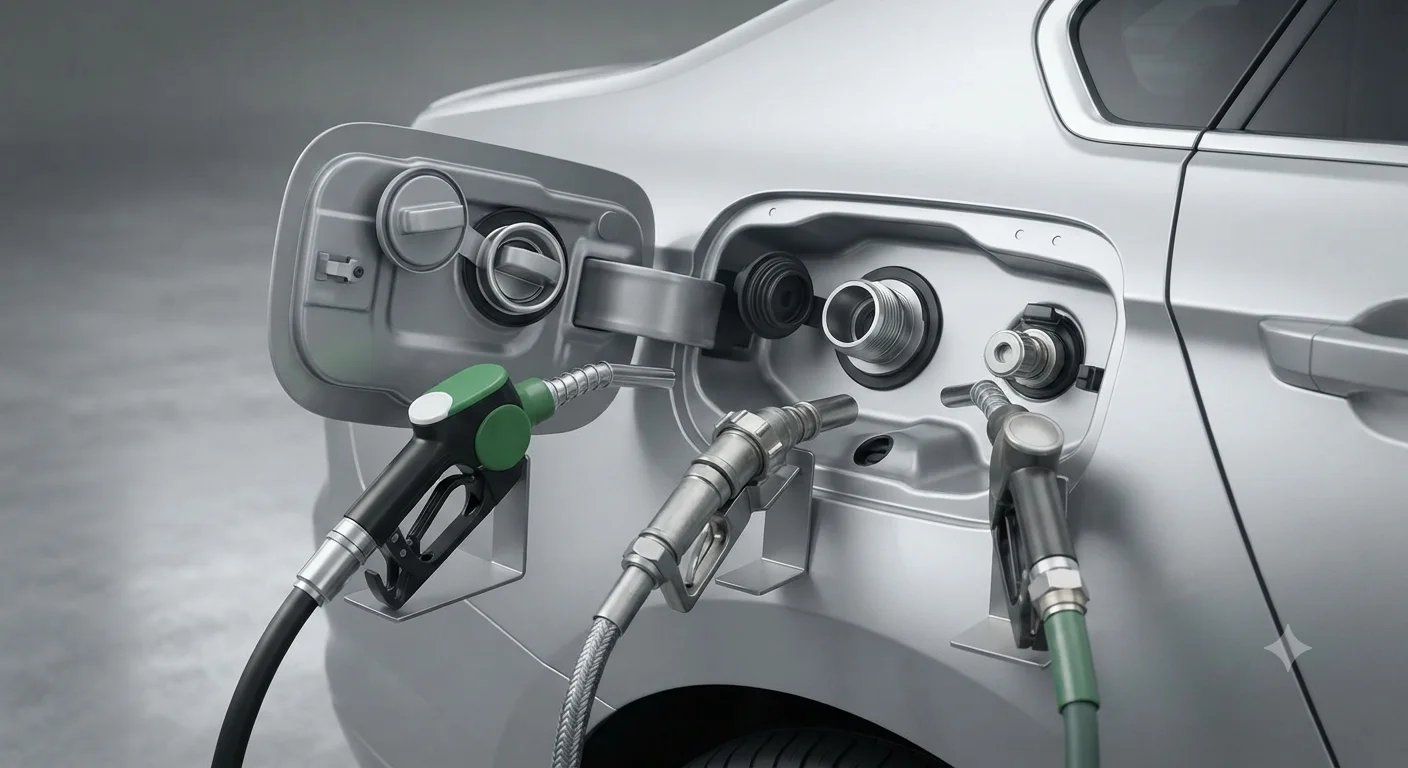
- Hydrogen storage – Hydrogen is stored on board, usually as a compressed gas at high pressure (350–700 bar) in reinforced tanks.
- Injection – Hydrogen is injected into the combustion chamber, either directly into the cylinder or into the intake manifold, depending on the engine design.
- Ignition – A spark ignites the hydrogen-air mixture, similar to a petrol engine, but tuned for hydrogen’s faster combustion speed.
- Combustion – The rapid burn drives the piston down, generating mechanical power.
- Exhaust – The primary by-product is water vapour, though trace NOx emissions occur due to combustion temperatures, not the fuel itself.
This process means a HICE engine can, in principle, be built from an adapted conventional engine block which is part of why it’s attractive to manufacturers with existing combustion engine expertise and tooling.
Types of Hydrogen Engine Systems
| Type | Description | Common Use |
|---|---|---|
| Port injection HICE | Hydrogen mixed with air before entering the cylinder | Early prototypes, easier to engineer |
| Direct injection HICE | Hydrogen injected straight into the cylinder | Higher efficiency, better pre-ignition control |
| Dual-fuel hydrogen/diesel | Hydrogen supplements diesel combustion | Heavy commercial vehicles, HGVs |
| Hydrogen fuel cell (for comparison) | No combustion; generates electricity via chemical reaction | Passenger EVs like the Toyota Mirai |
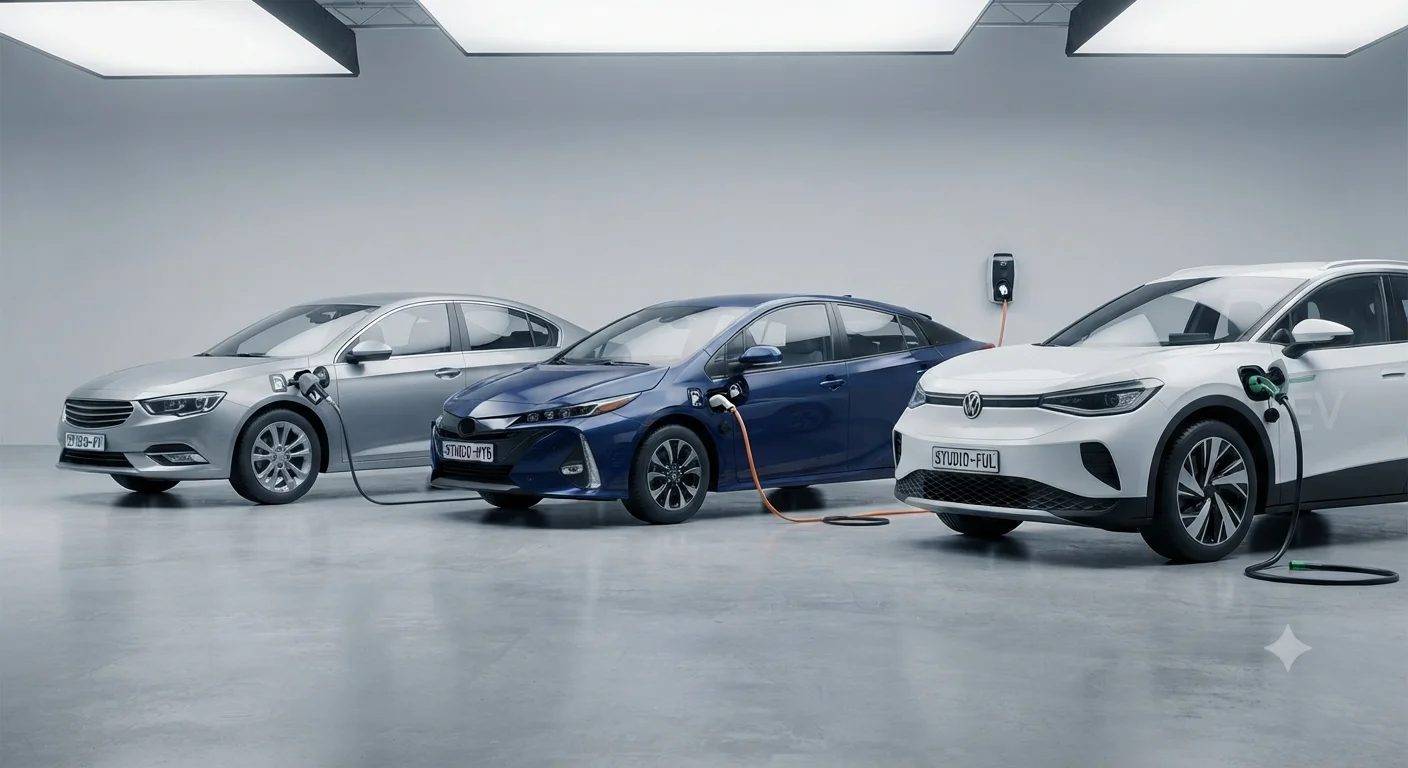
HICE vs Hydrogen Fuel Cell vs Battery EV

Quick answer: HICE engines burn hydrogen directly for mechanical power, fuel cell vehicles convert hydrogen to electricity for an electric motor, and battery EVs store electricity directly each with different efficiency, cost, and infrastructure trade-offs.
| Feature | HICE (Combustion) | Hydrogen Fuel Cell | Battery EV |
|---|---|---|---|
| Energy conversion | Direct combustion | Chemical-to-electrical | Stored electrical |
| Well-to-wheel efficiency | Lower | Moderate | Highest |
| Refuelling time | Minutes | Minutes | 20 min–several hours |
| Infrastructure in UK | Very limited | Very limited | Extensive and growing |
| Emissions | Water vapour + trace NOx | Water vapour only | Zero tailpipe emissions |
| Familiar mechanics for technicians | Yes, similar to petrol engines | No, different skillset needed | No, different skillset needed |
Benefits of Hydrogen Internal Combustion
- Leverages existing combustion engine manufacturing, reducing retooling costs for manufacturers
- Fast refuelling, comparable to petrol or diesel, unlike battery EV charging times
- Familiar driving feel, since it retains engine noise and mechanical characteristics some drivers prefer
- Lower reliance on rare-earth materials compared with battery EVs and fuel cells
- Water vapour as the main exhaust product, drastically cutting tailpipe CO2 compared with petrol or diesel
Common Problems and Challenges
Quick answer: The biggest challenges with hydrogen internal combustion engines are pre-ignition risk, hydrogen storage complexity, and an almost non-existent UK refuelling network.
| Problem | Cause | Solution |
|---|---|---|
| Pre-ignition (“knock”) | Hydrogen’s fast flame speed and low ignition energy | Precise direct injection timing and engine management calibration |
| NOx emissions | High combustion temperatures | Exhaust after-treatment and lean-burn tuning |
| Limited refuelling access | Almost no public hydrogen stations in the UK | Currently limited to trial fleets and specific commercial corridors |
| Hydrogen storage space | Tanks require significant volume for adequate range | Ongoing development of higher-pressure, more compact tank designs |
| Higher production cost | Specialised components and low production volume | Expected to fall as adoption and manufacturing scale increase |
Cost in the UK
Quick answer: Hydrogen combustion vehicles are not yet commercially available to UK private buyers at scale, with current real-world cost data coming mainly from commercial and prototype fleet trials rather than retail pricing.
| Cost Factor | Current UK Reality |
|---|---|
| Vehicle purchase price | Not widely available for private sale; mostly prototype/fleet trials |
| Hydrogen fuel price | Estimated at a premium compared with petrol per mile, due to limited supply infrastructure |
| Refuelling infrastructure | A small number of hydrogen stations exist, concentrated around specific commercial hubs |
| Servicing costs | Expected to be comparable to conventional combustion engines, given similar mechanical architecture |
Because HICE vehicles are still largely at the demonstration and heavy-vehicle trial stage in the UK, cost comparisons remain provisional rather than settled retail figures.
Safety Considerations
Quick answer: Hydrogen combustion vehicles are designed to meet strict pressure-vessel and leak-detection safety standards, and hydrogen’s rapid dispersal in open air actually reduces certain risks compared with petrol vapour pooling.
- Hydrogen storage tanks are built to withstand extreme pressure and impact, tested to international safety standards.
- Hydrogen disperses upward and rapidly in open air, unlike heavier petrol vapours, which can reduce the risk of vapour accumulation in some scenarios.
- Leak-detection sensors are a standard feature in HICE and fuel cell vehicle designs.
- Any hydrogen vehicle should only be serviced by technicians trained specifically in hydrogen systems, given the specialised tank and injection components involved.
Maintenance Tips
Quick answer: HICE engines require monitoring of injector wear, cooling system performance, and hydrogen tank integrity, alongside standard combustion engine servicing.
- Have hydrogen tanks inspected on the manufacturer’s recommended schedule for pressure integrity.
- Monitor injector components closely, since hydrogen’s combustion characteristics can accelerate wear on parts not specifically rated for it.
- Keep cooling systems well maintained, as hydrogen combustion runs at higher peak temperatures than petrol.
- Use only technicians certified in hydrogen vehicle systems for any servicing or repair work.
Buying Guide and Checklist
- Confirm the vehicle is a genuine HICE combustion model, not a fuel cell EV, if combustion characteristics matter to you
- Check for hydrogen refuelling access on your regular routes before considering ownership
- Ask about manufacturer warranty coverage specific to the hydrogen fuel system
- Confirm servicing is available locally from hydrogen-trained technicians
- Review any available fuel economy and range data from real-world trials, not just manufacturer estimates
- Consider your annual mileage and whether infrastructure limitations make this impractical right now
Mistakes to Avoid
- Confusing HICE with hydrogen fuel cell technology. They work on entirely different principles and have different maintenance needs.
- Assuming widespread UK refuelling availability. Infrastructure remains one of the biggest limiting factors today.
- Ignoring NOx emissions claims. Hydrogen combustion is far cleaner than petrol but isn’t fully zero-emission at the tailpipe.
- Using non-specialist technicians. Hydrogen systems need specific training and tools.
Myths vs Facts
| Myth | Fact |
|---|---|
| Hydrogen combustion engines are zero-emission | They produce water vapour as the main by-product but can still emit trace NOx from high combustion temperatures |
| HICE and hydrogen fuel cells are the same thing | They’re different technologies HICE burns hydrogen directly, fuel cells convert it to electricity |
| Hydrogen cars are more dangerous than petrol cars | Hydrogen tanks meet rigorous safety standards, and hydrogen disperses rapidly in open air, which can reduce certain risks |
| You can refuel a hydrogen car anywhere in the UK | UK hydrogen refuelling infrastructure remains very limited, concentrated in a small number of locations |
| Hydrogen combustion engines are a completely new invention | The core combustion principle has been tested and developed for decades, including in motorsport and heavy-vehicle trials |
Is Hydrogen Combustion the Future?

Quick answer: HICE technology is best understood as a transitional option, particularly attractive for heavy-duty and commercial vehicles, rather than an imminent mass-market replacement for battery EVs in the UK passenger car market.
Manufacturers are largely treating hydrogen combustion as a complementary technology to battery EVs and fuel cells useful where fast refuelling and high payload capacity matter most, such as HGVs, buses, and specialist applications. For everyday UK private drivers, the lack of refuelling infrastructure remains the dominant obstacle, and that’s unlikely to change quickly without significant government and industry investment.
Conclusion
Hydrogen car engines built on HICE technology offer a genuinely interesting middle ground between traditional combustion and full electrification burning hydrogen directly rather than converting it to electricity through a fuel cell.
The engineering is real and increasingly proven, particularly in commercial and motorsport applications, but UK infrastructure and vehicle availability remain the biggest barriers for private drivers right now. It’s a technology worth watching closely rather than one that’s ready for mainstream adoption today.
Call to Action
Curious whether hydrogen technology fits your future driving plans? Keep track of UK hydrogen refuelling infrastructure rollouts and manufacturer announcements before making any purchase decisions, and always consult a specialist for the latest availability in your area.
Frequently Asked Question
What is a hydrogen car engine?
A hydrogen car engine is an internal combustion engine adapted to burn hydrogen gas directly, producing mechanical power in a similar way to a petrol engine.
What does HICE stand for?
HICE stands for Hydrogen Internal Combustion Engine, referring to engines specifically engineered to combust hydrogen efficiently and safely.
Is a hydrogen combustion engine the same as a hydrogen fuel cell?
No, a hydrogen combustion engine burns hydrogen directly for mechanical power, while a fuel cell converts hydrogen into electricity to power an electric motor.
Are hydrogen car engines available to buy in the UK?
Hydrogen combustion vehicles are not yet widely available for private purchase in the UK and remain mostly at the prototype and commercial fleet trial stage.
How much does a hydrogen car engine cost?
Reliable UK retail pricing isn’t yet established, since hydrogen combustion vehicles are still largely limited to trial and commercial fleet use rather than mass-market sale.
Is hydrogen internal combustion safe?
Yes, hydrogen storage systems are built to rigorous pressure and safety standards, and hydrogen’s rapid dispersal in open air can reduce certain risks compared with heavier fuel vapours.
Does a hydrogen engine produce any emissions?
Hydrogen combustion primarily produces water vapour, but trace nitrogen oxide (NOx) emissions can occur due to high combustion temperatures.
Where can I refuel a hydrogen car in the UK?
UK hydrogen refuelling stations are limited in number and concentrated around specific commercial hubs, making everyday refuelling impractical for most private drivers currently.
Is hydrogen combustion better than a battery EV?
Neither is universally “better”battery EVs currently offer greater efficiency and a much larger UK charging network, while hydrogen combustion offers faster refuelling and familiar mechanics.
Why are manufacturers interested in HICE technology?
HICE technology allows manufacturers to adapt existing combustion engine expertise and manufacturing infrastructure, rather than starting from scratch as with fuel cell or battery systems.
Can existing petrol engines be converted to run on hydrogen?
In principle, some petrol engine architectures can be adapted for hydrogen combustion, but this requires substantial modification to injectors, cooling, and materials, not a simple retrofit.
Is hydrogen combustion used in commercial vehicles?
Yes, HICE technology has seen notable trials and development in heavy-duty vehicles like HGVs and buses, where fast refuelling and payload capacity are priorities.
What is the main challenge facing hydrogen car engines in the UK?
The lack of widespread hydrogen refuelling infrastructure is currently the single biggest barrier to hydrogen combustion vehicle adoption in the UK.
Do hydrogen engines need special maintenance?
Yes, hydrogen combustion vehicles require servicing by technicians trained specifically in hydrogen fuel systems, alongside standard combustion engine maintenance.
Will hydrogen combustion engines replace electric cars?
Most industry analysis treats hydrogen combustion as a complementary technology for specific use cases like heavy transport, rather than a like-for-like replacement for battery EVs in the UK passenger market.