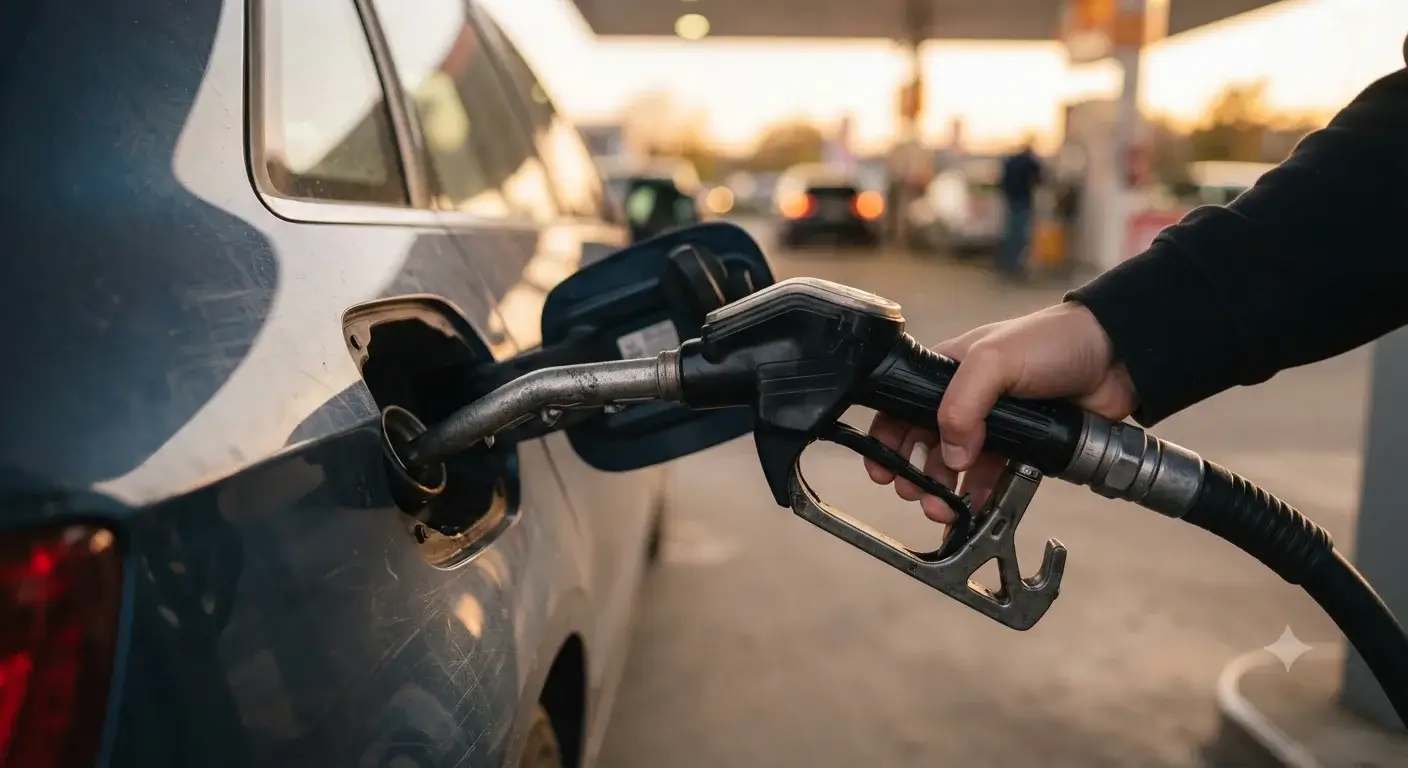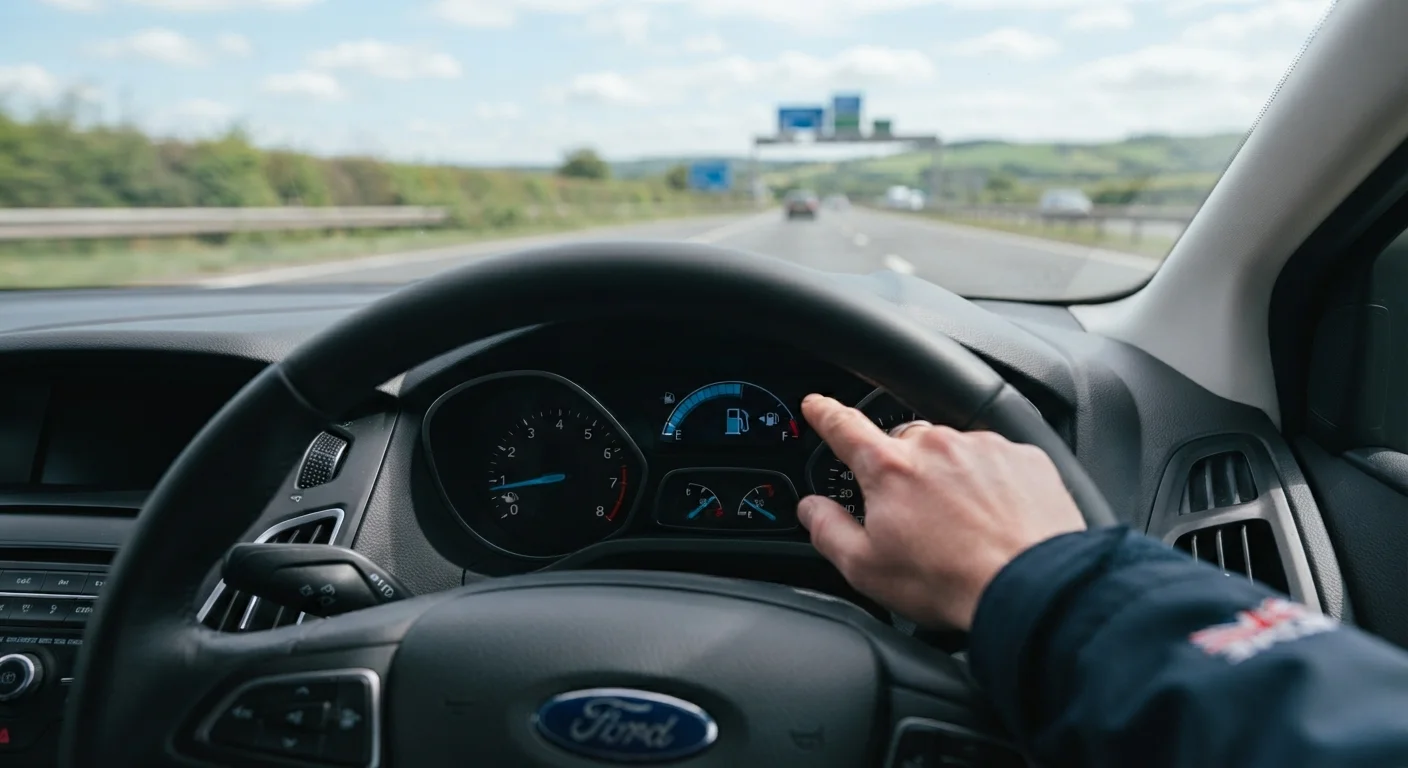
Fuel efficiency simply means how much distance your car travels for every litre of fuel it burns, or every kWh of electricity it uses. The more efficient a car is, the further it goes on less fuel and the less money leaves your pocket at the pump or the charger.
With UK fuel prices still hovering well above £1.50 a litre in most regions, fuel efficiency isn’t just a nice-to-have anymore. It’s one of the biggest factors in what a car actually costs you to run, alongside insurance and road tax. This guide breaks down what fuel efficiency really means, how it’s measured in the UK, what affects it, and exactly how to improve it whether you’re driving a petrol hatchback, a diesel estate, or an EV.
What Is Fuel Efficiency?

Quick answer: Fuel efficiency is the amount of useful distance a vehicle gets from a fixed amount of fuel or energy, usually expressed as miles per gallon (MPG) in the UK, or miles per kWh for electric cars.
A more fuel-efficient engine converts a greater share of the energy in petrol, diesel, or electricity into forward motion, rather than losing it as heat, friction, or wasted combustion. In simple terms: two cars can travel the same 30 miles, but the more efficient one might use 1 litre of fuel while the other burns 1.4 litres to do the same job.
Fuel efficiency is closely linked to CO2 emissions, which is why it matters for UK road tax bands and Ultra Low Emission Zone (ULEZ) charges too a more efficient car is usually a cleaner one.
How Fuel Efficiency Is Measured In The UK?

Quick answer: UK fuel efficiency is measured in miles per gallon (MPG) using the WLTP test cycle, alongside CO2 g/km figures published for every new car.
- WLTP (Worldwide Harmonised Light Vehicle Test Procedure) is the official UK and EU testing standard, replacing the older, less realistic NEDC test.
- Every new car sold in the UK carries an official combined MPG figure and CO2 g/km rating, tested in controlled lab conditions.
- Real-world MPG is usually 10–20% lower than the official figure, because lab tests can’t fully replicate British stop-start traffic, hills, or cold winter mornings.
- Electric vehicles use miles per kWh or a kWh/100 miles figure instead of MPG.
| Measurement | Used For | Typical UK Source |
|---|---|---|
| MPG (combined) | Petrol, diesel, hybrid | WLTP test, VCA data |
| CO2 g/km | Tax bands, ULEZ | WLTP test |
| Miles/kWh | Electric vehicles | Manufacturer + Zap-Map data |
| Real-world MPG | Everyday driving | Owner forums, Honest John, What Car? |
Benefits Of A Fuel-Efficient Car
Quick answer: Better fuel efficiency means lower running costs, lower emissions, cheaper road tax, and fewer trips to the fuel station or charger.
- Lower fuel bills the single biggest saving for most drivers, especially with long commutes.
- Reduced road tax (VED) cars with lower CO2 emissions generally sit in cheaper tax bands.
- Fewer emissions helps with air quality and avoids ULEZ or Clean Air Zone charges in cities like London, Birmingham, and Bristol.
- Better resale value efficient cars tend to hold their value better as buyers increasingly shop by running costs.
- Longer range between stops less time wasted refuelling or recharging on long journeys.
Types Of Fuel Efficiency By Engine

Quick answer: Diesel engines are typically most efficient for long motorway miles, petrol suits shorter city trips, hybrids balance both, and EVs are the most efficient overall when charged sensibly.
| Engine Type | Typical Efficiency Strength | Best Use Case |
|---|---|---|
| Petrol | Smooth, cheaper to maintain, less efficient on long runs | Short city journeys |
| Diesel | 15–20% better MPG on long distances, strong torque | Motorway and towing |
| Hybrid | Combines electric + petrol for city efficiency | Mixed urban/motorway driving |
| Plug-in Hybrid (PHEV) | Near-EV efficiency on short electric-only trips | Short commutes with home charging |
| Electric (EV) | No tailpipe emissions, cheapest cost per mile | Daily driving with home or workplace charging |
If you’re weighing up petrol against diesel specifically, our detailed petrol vs diesel comparison breaks down running costs, maintenance, and which one actually suits UK driving patterns better.
For drivers considering the switch to electric, it’s worth reading about the best electric cars available right now, along with how EV charging infrastructure is expanding across the UK, since charger availability directly affects how efficiently you can actually run an EV day to day.
Common Problems That Hurt Fuel Efficiency

Quick answer: Worn spark plugs, clogged air filters, underinflated tyres, and a neglected service schedule are the most common causes of poor MPG in UK cars.
- Dirty or clogged air filters restricting airflow to the engine
- Worn spark plugs causing incomplete combustion
- Underinflated or worn tyres increasing rolling resistance
- A failing oxygen sensor sending the wrong fuel-mix signal to the engine
- Excess weight in the boot or roof boxes/racks left on permanently
- Short, frequent journeys that never let the engine reach optimal temperature
Signs Your Car Is Losing Fuel Efficiency
Quick answer: More frequent fuel stops, a rough idle, reduced acceleration, and a lit engine management light are the clearest warning signs.
- You’re filling up noticeably more often than a few months ago
- The engine idles roughly or hesitates when accelerating
- Exhaust smells unusually strong or smoky
- The engine management light is on
- MOT emissions testing flags a fail or advisory
Causes Of Poor Fuel Efficiency
Quick answer: Poor fuel efficiency almost always comes down to mechanical wear, driving style, or external conditions like weather and traffic.
- Mechanical wear ageing components force the engine to work harder for the same output
- Driving style harsh braking, rapid acceleration, and speeding all burn extra fuel
- Cold weather engines are less efficient until they reach operating temperature, and heating systems draw extra energy
- Traffic conditions stop-start city driving is inherently less efficient than steady motorway cruising
- Incorrect tyre pressure one of the most overlooked and easiest-to-fix causes
How To Improve Fuel Efficiency?

Quick answer: Keep tyres correctly inflated, service the car on schedule, drive smoothly, remove excess weight, and plan routes to avoid unnecessary stop-start traffic.
Step-by-step:
- Check tyre pressure monthly against the manufacturer’s recommended PSI (found on the door sill sticker).
- Book an annual service, or follow the manufacturer’s schedule, to keep filters, plugs, and oil fresh.
- Drive smoothly gentle acceleration and early braking reduce fuel burn significantly.
- Remove roof boxes, bike racks, and unnecessary boot weight when not in use.
- Use cruise control on motorways where safe to maintain a steady speed.
- Combine short errands into one trip so the engine reaches efficient operating temperature.
- Turn off the engine rather than idling for more than a minute.
Repair Options For Fuel-Related Faults
Quick answer: Most fuel efficiency faults are inexpensive to fix spark plugs, air filters, and oxygen sensors are common, low-cost repairs at any UK garage.
| Fault | Typical UK Repair Cost |
|---|---|
| Air filter replacement | £15–£40 |
| Spark plug replacement (set) | £60–£150 |
| Oxygen sensor replacement | £120–£300 |
| Fuel injector cleaning | £80–£200 |
| Wheel alignment/tracking | £40–£80 |
Costs vary by garage, region, and vehicle make, so always ask for a written quote before work begins.
Fuel Efficiency Costs In The UK
Quick answer: UK petrol and diesel prices generally sit between £1.35 and £1.65 per litre depending on region and forecourt, while EV home charging typically costs a fraction of that per mile.
A car doing 45 MPG versus one doing 35 MPG can mean a difference of several hundred pounds a year for an average UK driver covering 8,000–10,000 miles annually. Over a typical ownership period, that gap becomes one of the most significant hidden costs of choosing the wrong car.
If you’re comparing your options before buying, our guide to buying cars online and top car marketplaces in the US and UK can help you filter listings by fuel type and MPG before you commit.
Maintenance Tips For Better MPG
Quick answer: Regular servicing, correct tyre pressure, clean filters, and fresh oil are the maintenance basics that keep fuel efficiency close to its original factory figure.
| Maintenance Task | Recommended Frequency |
|---|---|
| Tyre pressure check | Monthly |
| Oil and filter change | Every 12,000 miles or 12 months |
| Air filter check | Every service |
| Spark plug check | Every 20,000–30,000 miles (petrol) |
| Wheel alignment | Annually or after any pothole impact |
For a fuller breakdown of what a UK service schedule should cover, our car maintenance tips for UK drivers guide goes into seasonal checks and cost-saving habits in more depth.
Buying Guide: Choosing A Fuel-Efficient Car
Quick answer: Check the official WLTP combined MPG figure, compare real-world owner reports, and match the engine type to how you actually drive most often.
- Mostly city driving? A hybrid or small petrol car will usually be more efficient than a diesel, which needs longer runs to perform at its best.
- Regular motorway miles? Diesel or a well-specced hybrid tends to win on long-distance MPG.
- Home charging available? An EV will typically offer the lowest running cost per mile by a wide margin.
- Short-term ownership plans? Leasing a newer, more efficient model can make sense our guide to leasing a car in the UK covers how mileage limits and contract length affect overall value.
- Always check the official WLTP MPG figure against real owner reviews rather than relying on the headline number alone.
Mistakes To Avoid
- Ignoring the tyre pressure warning light for weeks at a time
- Buying a diesel car for mostly short city journeys
- Skipping services to save money short-term
- Overloading the boot or roof rack unnecessarily
- Assuming the official MPG figure will match real-world driving exactly
Comparison Tables
Petrol vs Diesel vs Hybrid vs EV Efficiency Snapshot
| Factor | Petrol | Diesel | Hybrid | EV |
|---|---|---|---|---|
| Best for | Short trips | Long motorway runs | Mixed driving | Daily commuting |
| Typical running cost | Medium | Medium-low (long trips) | Low-medium | Lowest |
| Maintenance cost | Lower | Higher | Medium | Lowest |
| Emissions | Higher | Medium | Lower | Zero (tailpipe) |
Fuel Efficiency Checklist
- Tyres checked and correctly inflated this month
- Service completed within manufacturer schedule
- Air filter clean or recently replaced
- No unnecessary weight in boot or on roof
- Driving style reviewed for harsh braking/acceleration
- Engine management light checked and cleared if triggered
Pros and Cons Of Chasing Maximum Efficiency
| Pros | Cons |
|---|---|
| Lower fuel and running costs | Some efficiency-focused cars cost more upfront |
| Reduced emissions and tax | Very lightweight tyres/parts can wear faster |
| Better resale appeal | Requires consistent maintenance discipline |
| Fewer fuel stops on long trips | Real-world savings vary by driving style |
Myths Vs Facts
| Myth | Fact |
|---|---|
| “Premium fuel always improves efficiency.” | Only true for engines specifically designed to use it. |
| “Diesel is always cheaper to run.” | Only true for higher-mileage, motorway-heavy driving. |
| “New cars are always more fuel efficient than old ones.” | Depends on engine size, weight, and technology, not just age. |
| “Idling saves fuel compared to restarting.” | Idling for more than about a minute wastes more fuel than restarting the engine. |
Frequently Asked Questions
What is fuel efficiency?
Fuel efficiency is how much distance a vehicle travels per litre of fuel or per kWh of electricity, commonly shown as MPG in the UK.
How much does fuel efficiency affect running costs?
It’s one of the biggest factors a 10 MPG difference can add up to several hundred pounds a year for an average UK driver.
Is fuel efficiency worth prioritising when buying a car?
Yes, especially for high-mileage drivers, since running costs often outweigh the purchase price difference over a few years of ownership.
What is a good MPG figure for a UK car?
Anything above 50 MPG combined is considered strong for petrol/diesel; hybrids often exceed this in city driving.
Do electric cars count as “fuel efficient”?
Yes EVs are typically the most efficient option per mile, measured in miles per kWh rather than MPG.
Why is my MPG lower than the advertised figure?
Official WLTP figures are lab-tested; real-world traffic, weather, and driving style usually bring MPG down by 10–20%.
Does tyre pressure really affect fuel efficiency?
Yes underinflated tyres increase rolling resistance and can measurably reduce MPG.
Is it worth switching from diesel to petrol for fuel efficiency?
Only if most of your driving is short, city-based trips where diesel engines don’t reach optimal efficiency.
How often should I service my car for best fuel efficiency?
Follow the manufacturer’s schedule, typically every 12,000 miles or 12 months, whichever comes first.
Can driving style really change fuel efficiency that much?
Yes smooth acceleration and early braking can improve real-world MPG noticeably compared to harsh driving.
Does cold weather reduce fuel efficiency?
Yes engines are less efficient until warmed up, and heating systems draw additional energy, especially in EVs.
Is a hybrid more fuel efficient than a full EV?
No EVs generally have the lowest running cost per mile, but hybrids can be a practical middle ground without needing home charging.
How does an MOT relate to fuel efficiency?
The emissions portion of an MOT can flag faults, like a failing sensor or exhaust issue, that are also quietly hurting fuel efficiency.
Conclusion
Fuel efficiency isn’t just a spec on a brochure it’s one of the clearest ways to judge what a car will actually cost you to own. Whether you’re deciding between petrol, diesel, hybrid, or electric, keeping up with basic maintenance, driving smoothly, and choosing the right engine type for how you actually drive will do more for your wallet than almost any other single decision.
Ready to compare your options? Explore our full range of UK car buying guides, EV comparisons, and maintenance advice to make sure your next car actually delivers the fuel efficiency it promises.