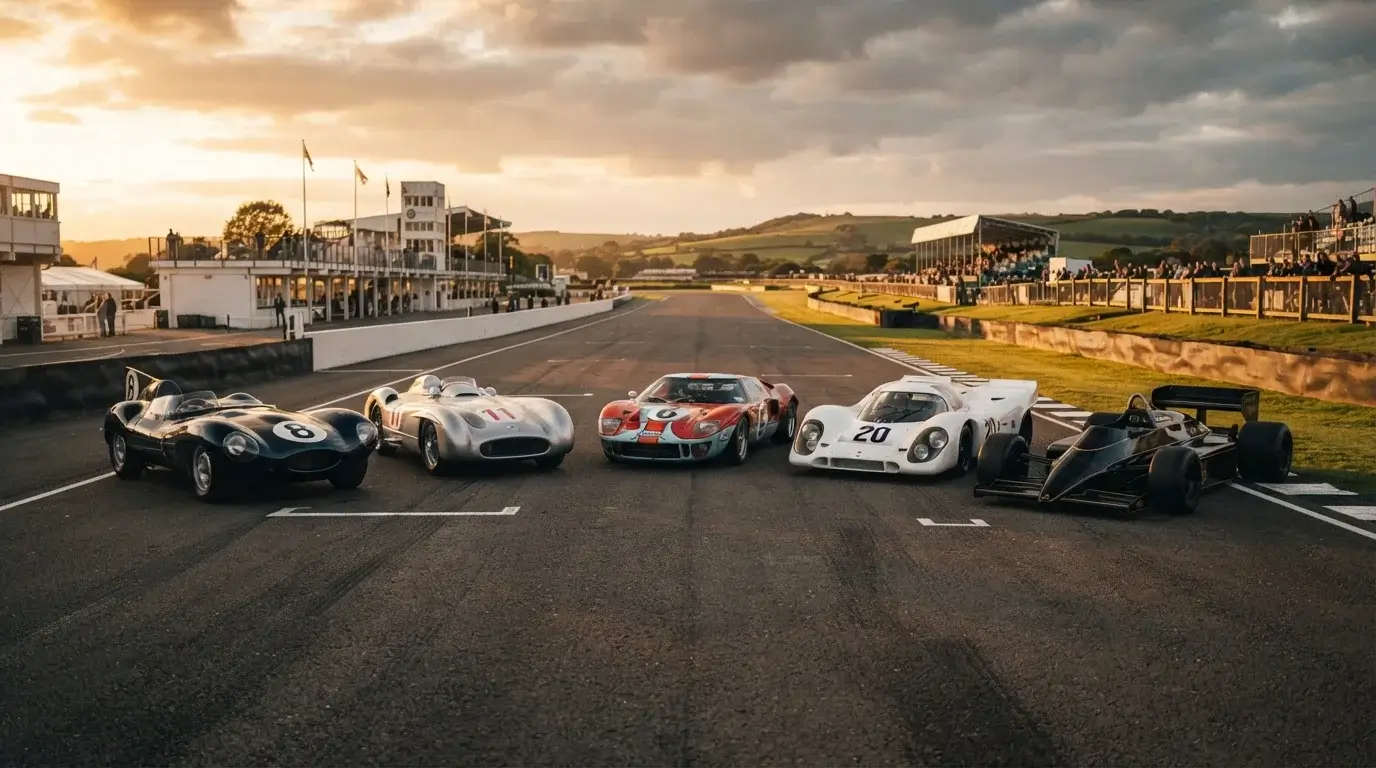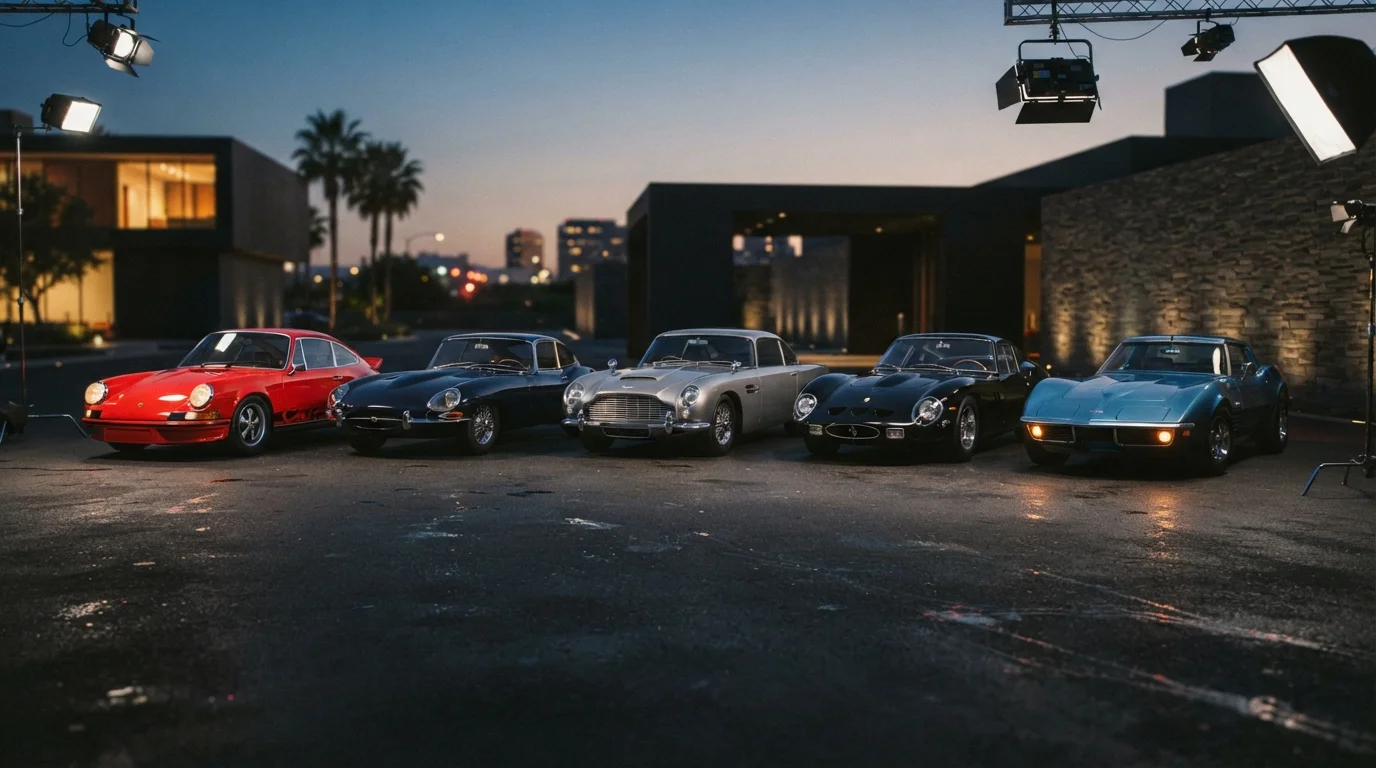
Most iconic movie cars of all time include the Aston Martin DB5 from James Bond, the DeLorean DMC-12 from Back to the Future, the Batmobile, the 1970 Dodge Charger from Fast & Furious, and the Mini Cooper S from The Italian Job.
These vehicles became cultural symbols because they were built into memorable scenes, tied to unforgettable characters, and in several cases, still influence how UK buyers view certain car brands today.
Whether you’re a film fan, a collector, or simply curious why a 1980s DeLorean still turns heads on UK roads, this guide breaks down the cars that defined cinema history and what it would actually take to own one.
What Makes A Movie Car Iconic?
A movie car becomes iconic when it’s inseparable from the character or scene it’s tied to think of Bond without the DB5, or Marty McFly without the DeLorean.
Three things usually decide it:
- Screen time and story role the car is central to plot, not just background
- Cultural staying power it’s still referenced decades later in merchandise, games, and pop culture
- Real-world influence it changes how the public sees that make or model
The Most Iconic Movie Cars Of All Time
From British spy gadgets to American muscle, these are the vehicles that didn’t just appear on screen they became bigger than the films themselves. Below is a closer look at each car, its film role, and what it’s worth in today’s market.
1. Aston Martin DB5 James Bond (Goldfinger, 1964)

The DB5 is arguably the most famous movie car ever made, gaining ejector seats, machine guns, and a revolving number plate in Goldfinger. It cemented Aston Martin’s image as the quintessential British luxury sports brand.
- Year featured: 1964
- Original UK price: Around £4,175 when new
- Today’s market value: Original Bond-spec cars have sold at auction for over £5 million
2. DeLorean DMC-12 Back To The Future (1985)

With its gull-wing doors and stainless-steel body, the DeLorean was already unusual before the film added a flux capacitor. It remains one of the most recognisable cars in film history, despite the original company only building around 9,000 units.
- Original UK price: Roughly £12,000–£14,000
- Today’s market value: £35,000–£70,000+ for restored originals
3. The Tumbler / Batmobile The Dark Knight Trilogy (2005–2012)

Christopher Nolan’s tank-like Batmobile reimagined the character’s car as a military-grade vehicle. It’s a fan favourite at UK car shows and film exhibitions.
- Design influence: Combines a tank chassis with supercar aerodynamics
- Cultural impact: Frequently voted the best on-screen Batmobile design
4. 1970 Dodge Charger Fast & Furious Franchise

Dominic Toretto’s Charger is the backbone of the Fast & Furious series, symbolising American muscle car culture. Several replicas have been built and sold in the UK for private collectors.
- Original spec: 440 Magnum V8
- UK collector interest: High, particularly among American muscle car clubs
5. Mini Cooper S The Italian Job (1969)

Few films are as tied to a British car as The Italian Job is to the Mini Cooper S. The famous rooftop and sewer chase scenes turned the Mini into a symbol of British motoring wit and agility.
- Original UK price: Under £700 when new
- Legacy: Directly credited with boosting Mini sales in the years after release
6. Ford Mustang GT390 Bullitt (1968)

Steve McQueen’s chase scene through San Francisco is considered one of the greatest in film history, and it made the Mustang GT390 an instant classic.
- Today’s market value: The actual screen-used car sold at auction for over $3.7 million (2020)
7. KITT Pontiac Trans Am (Knight Rider, 1982)

KITT wasn’t just a car; it was a character. Its talking AI and self-driving capability were decades ahead of their time and are often cited as an early pop-culture reference point for today’s self-driving vehicle discussions.
8. Ecto-1 Cadillac (Ghostbusters, 1984)

A converted 1959 Cadillac ambulance, the Ecto-1 became instantly recognizable thanks to its siren lights and proton-pack equipment, blending comedy with classic American car design.
Movie Cars Comparison Table
The Aston Martin DB5 remains the most valuable movie car today at over £5 million, while the Mini Cooper S offers the most affordable entry point into movie car ownership at £15k–£40k.
| Movie Car | Film | Year | Real-World Base Model | Est. Value Today |
|---|---|---|---|---|
| Aston Martin DB5 | Goldfinger | 1964 | Aston Martin DB5 | £5m+ (original) |
| DeLorean DMC-12 | Back to the Future | 1985 | DMC DeLorean | £35k–£70k |
| Tumbler | The Dark Knight | 2005 | Custom build | Not for sale |
| Dodge Charger | Fast & Furious | 2001 | 1970 Dodge Charger | £60k–£150k (restored) |
| Mini Cooper S | The Italian Job | 1969 | Mini Cooper S | £15k–£40k |
| Ford Mustang GT390 | Bullitt | 1968 | Ford Mustang | £3.7m (screen car) |
How Movie Cars Influence Real Car Sales In The UK?
Movie cars influence real car sales in the UK by boosting brand visibility, driving showroom interest, and raising the collector value of featured models.
Film appearances have a measurable effect on demand. After The Italian Job, Mini sales rose noticeably in the UK, and interest in classic Minis has never fully faded. Similarly, Aston Martin has leaned heavily into its Bond association in UK marketing for decades a clear example of film tie-ins shaping brand perception rather than just short-term sales spikes.
Can You Buy A Real Movie Car In The UK?
Yes, but original screen-used cars are extremely rare and expensive. Most UK buyers instead choose one of three routes.
- Auction originals genuine screen cars, sold through specialist auction houses (e.g. Bonhams, RM Sotheby’s UK sales)
- Licensed replicas professionally built tribute cars, often the most practical option
- Standard production models buying the base car (e.g. a standard Mini Cooper or Mustang) without film modifications
Buying Checklist
- Verify provenance documents for any “screen-used” claim
- Check import and registration status if buying from the US
- Budget for specialist insurance, as classic and replica cars often need agreed-value policies
- Factor in UK MOT and maintenance costs for older mechanical components
Myths Vs Facts About Movie Cars
Not everything you’ve heard about movie cars is true here’s what’s fact and what’s just fan myth.
| Myth | Fact |
|---|---|
| All movie cars were built specially for filming | Many were modified standard production cars |
| Original screen cars are always sold with the film | Studios often sell or scrap cars separately, years later |
| Replicas have no value | Well-built licensed replicas can hold strong resale value |
Mistakes To Avoid When Buying A Movie-Famous Car
Movie-tagged cars attract inflated prices and fake provenance claims, so here’s what to check before you commit.
- Assuming a “movie replica” listing has genuine studio provenance without checking documentation
- Underestimating restoration costs for classic models like the DeLorean or Mini
- Buying without a pre-purchase inspection from an independent specialist
- Ignoring UK insurance requirements for classic or modified vehicles
Expert Tips For Collectors
A few simple steps can protect both your investment and your peace of mind when buying a car with movie history.
- Join UK-specific owner clubs (Mini Cooper Register, Aston Martin Owners Club) for provenance advice
- Always request a vehicle history check (HPI check) before purchase
- Consider agreed-value insurance rather than standard market-value cover for classics
Pros & Cons Of Owning A Movie-Famous Model
Like any collectible car, owning a movie-famous model comes with real upsides and a few trade-offs worth knowing first.
Pros
- Strong resale and collector demand
- Conversation-starter and community access via owner clubs
- Often well-documented mechanically due to enthusiast interest
Cons
- Higher purchase price than standard equivalents
- Parts can be harder to source for older or American imports
- Insurance and maintenance costs can be higher for classic specs
Conclusion
Movie cars matter because they turn everyday engineering into cultural memory. Whether it’s the DB5’s gadgets or the Mini’s Alpine getaway, these vehicles show how film and motoring history are genuinely intertwined and for UK buyers, several of these icons remain realistically attainable, even if the original screen cars aren’t.
Call to Action
Thinking about buying a classic model with movie pedigree? Read our BMW buying guide and used vs new cars comparison before making a decision.
Frequently Asked Questions
What is the most famous movie car of all time?
The Aston Martin DB5 from the James Bond films is widely regarded as the most famous movie car in cinema history.
How much is an original Bond DB5 worth today?
Original Bond-spec Aston Martin DB5s have sold at auction for over £5 million.
Can you legally drive a DeLorean in the UK?
Yes, provided it’s registered, insured, and passes UK MOT requirements like any imported classic vehicle.
Why was the Mini used in The Italian Job?
Its small size and agility made it ideal for the film’s tight chase sequences through Turin’s streets and rooftops.
Are movie car replicas legal to drive in the UK?
Yes, as long as they meet standard UK road legal requirements and are registered accordingly.
Did the Fast & Furious Charger increase Dodge sales in the UK?
It boosted general interest in American muscle cars among UK collectors, though Dodge has limited official UK presence.
How much does it cost to insure a classic movie-model car in the UK?
Costs vary widely, but classic car insurance often starts from £150–£400 annually depending on value, mileage, and storage.
Where can I see real movie cars in the UK?
Several motoring museums and touring exhibitions periodically display licensed replicas and, occasionally, genuine screen-used vehicles.
Is the Batmobile Tumbler road legal?
The film versions are custom-built and not designed for public roads; some private replicas have been built to UK road-legal standards.
What car appeared most often across Bond films?
The Aston Martin marque overall, though the DB5 remains the most recurring specific model.
Are original screen-used cars a good investment?
They can be, particularly for high-profile franchises, but provenance verification is essential before buying.
What’s the cheapest way to own a “movie car” in the UK?
Buying the standard production base model (e.g. a normal Mini Cooper) without film-specific modifications.