Electric cars (EVs) are no longer futuristic concepts they are mainstream vehicles shaping the future of mobility. With rapid advancements in battery technology, expanding EV charging infrastructure, and evolving government policies, adoption rates in the United States, United Kingdom, and Germany continue to grow.
Whether you’re comparing Tesla alternatives in the USA, exploring electric car tax benefits in the UK, or looking into EV Lifetime charging options in Germany, this guide covers everything you need to know in 2026.
What Are Electric Cars?

Electric cars are vehicles powered by one or more electric motors, drawing energy from rechargeable batteries instead of internal combustion engines (ICE). Unlike petrol or diesel cars, EVs produce zero tailpipe emissions, making them an eco-friendly alternative for modern transportation.
Types of electric vehicles
- BEVs (Battery Electric Vehicles): Fully electric, powered only by batteries (e.g., Tesla Model 3, VW ID.4).
- PHEVs (Plug-in Hybrid Electric Vehicles): Combine a battery-powered motor with a petrol engine for flexibility.
- HEVs (Hybrid Electric Vehicles): Primarily petrol-powered with small electric assistance (non-plug-in).
Benefits Of Electric Cars Vs Petrol/Diesel Cars
Switching from petrol or diesel to electric comes with several advantages.
1. Cost Savings
- Electricity is cheaper per mile than fuel.
- Lower maintenance costs (no oil changes, fewer moving parts).
- Long-term savings through tax benefits and incentives.
2. Environmental Benefits
- Zero exhaust emissions.
- Lower greenhouse gas emissions (especially with renewable energy charging).
- Reduced noise pollution in cities.
3. Performance
- Instant torque for faster acceleration.
- Smooth, quiet driving experience.
- Advanced safety and technology features.
4. Policy-Driven Advantages
- Free or discounted parking in some cities.
- Congestion charge exemptions (e.g., London).
- Tax credits and subsidies lowering upfront cost.
Government Policies & Incentives
United States
- Federal Tax Credit: Up to $7,500 for eligible EVs.
- State-level incentives: California offers rebates, HOV lane access, and charging grants.
- Future direction: The U.S. Inflation Reduction Act emphasizes local EV production and battery supply chains.
United Kingdom
- EV Tax Benefits: Reduced company car tax rates (as low as 2% Benefit-in-Kind).
- Plug-in Car Grant (PICG): While phased out for most cars, remains for vans, taxis, and trucks.
- Free congestion charge zones: Electric cars are exempt from London’s ULEZ and Congestion Charge.
Germany
- “Umweltbonus” (Environmental Bonus): Up to €6,750 for EV purchases.
- Company car incentives: Lower tax rates for EV drivers.
- Charging Infrastructure Law: Mandates charging stations at new fuel stations and parking lots.
🇦🇪 Dubai (UAE) Government Policies & Incentives For Electric Cars
Dubai is positioning itself as a leader in sustainable mobility and has rolled out several initiatives to encourage the adoption of electric vehicles (EVs)
- Long-Term Sustainability Goal
Under the Dubai Clean Energy Strategy 2050, the city aims to generate 75% of its energy from clean sources and significantly expand EV adoption in the coming years. - Free Public Charging (DEWA Green Charger
EV owners in Dubai can use Dubai Electricity and Water Authority’s (DEWA) public charging stations free of charge until 2025. - Salik (Toll) Exemption
Registered EVs enjoy exemptions from Salik toll gate fees in selected areas, making commuting more affordable. - Free Parking
The Roads and Transport Authority (RTA) has allocated dedicated free parking spaces for EV drivers across Dubai. - Reduced Registration & Renewal Fees
EV owners benefit from discounts on vehicle registration and renewal charges.
Environmental Impact & Sustainability
Electric vehicles contribute significantly to climate goals
- Lower CO₂ emissions: Over their lifecycle, EVs emit 30–50% less CO₂ than ICE cars (depending on energy grid mix).
- Battery recycling programs: Germany and the EU are pioneering EV battery recycling to reduce mining impacts.
- Sustainable mobility integration: EVs complement renewable energy grids and smart city initiatives.
Charging Infrastructure & Battery Technology

Charging Infrastructure
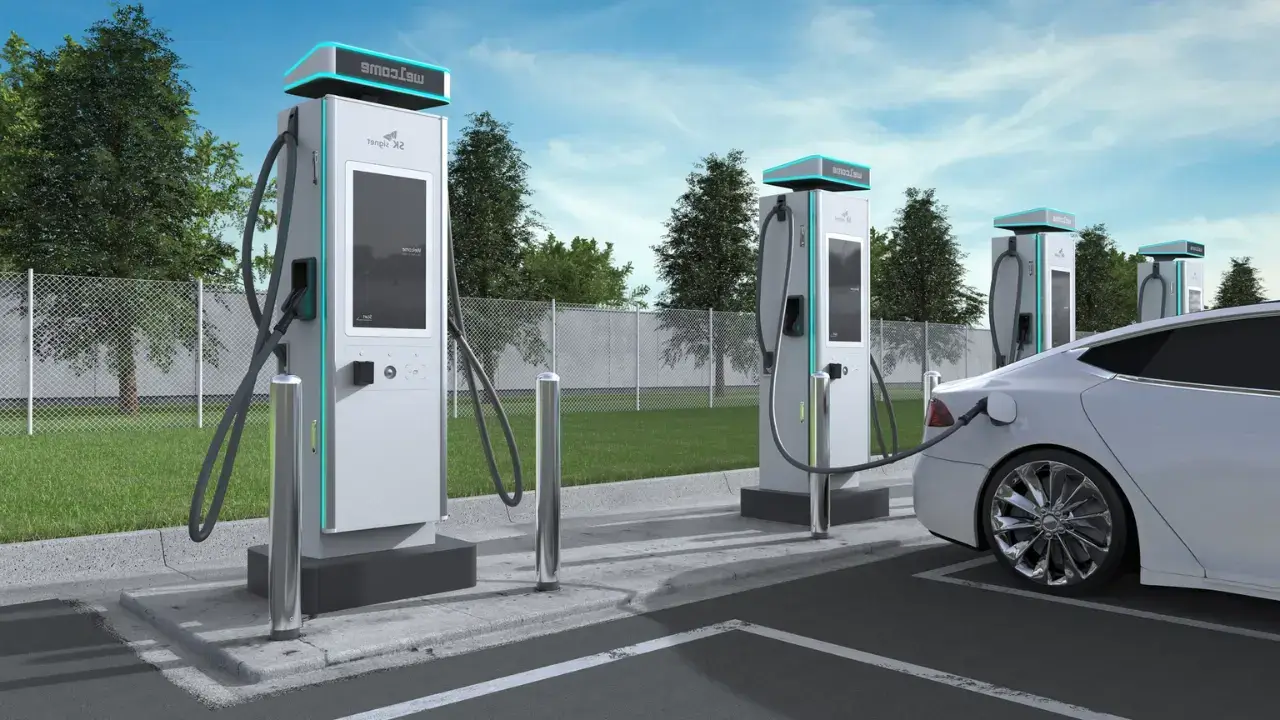
- USA: Over 170,000 public charging stations, led by Tesla Superchargers, Electrify America, and ChargePoint.
- UK: More than 50,000 charging points, with rapid growth in ultra-fast chargers.
- Germany: Europe’s largest EV market with 100,000+ public charging stations and mandatory expansion policies.
Types of charging:
- Level 1 (slow): Standard household outlet.
- Level 2 (medium): Home or workplace charging (7–22 kW).
- DC Fast Charging (rapid): 30 minutes for 80% charge.
Battery Technology
- Lithium-ion batteries: Current industry standard.
- Solid-state batteries: Promising higher energy density, faster charging, and improved safety.
- Battery-as-a-Service (BaaS): Emerging subscription models in China and Europe.
Cost Of Ownership & Maintenance
- Purchase price: Initially higher, but dropping due to economies of scale.
- Running costs: Significantly lower fuel and service expenses.
- Insurance: EV insurance costs are stabilizing as more data becomes available.
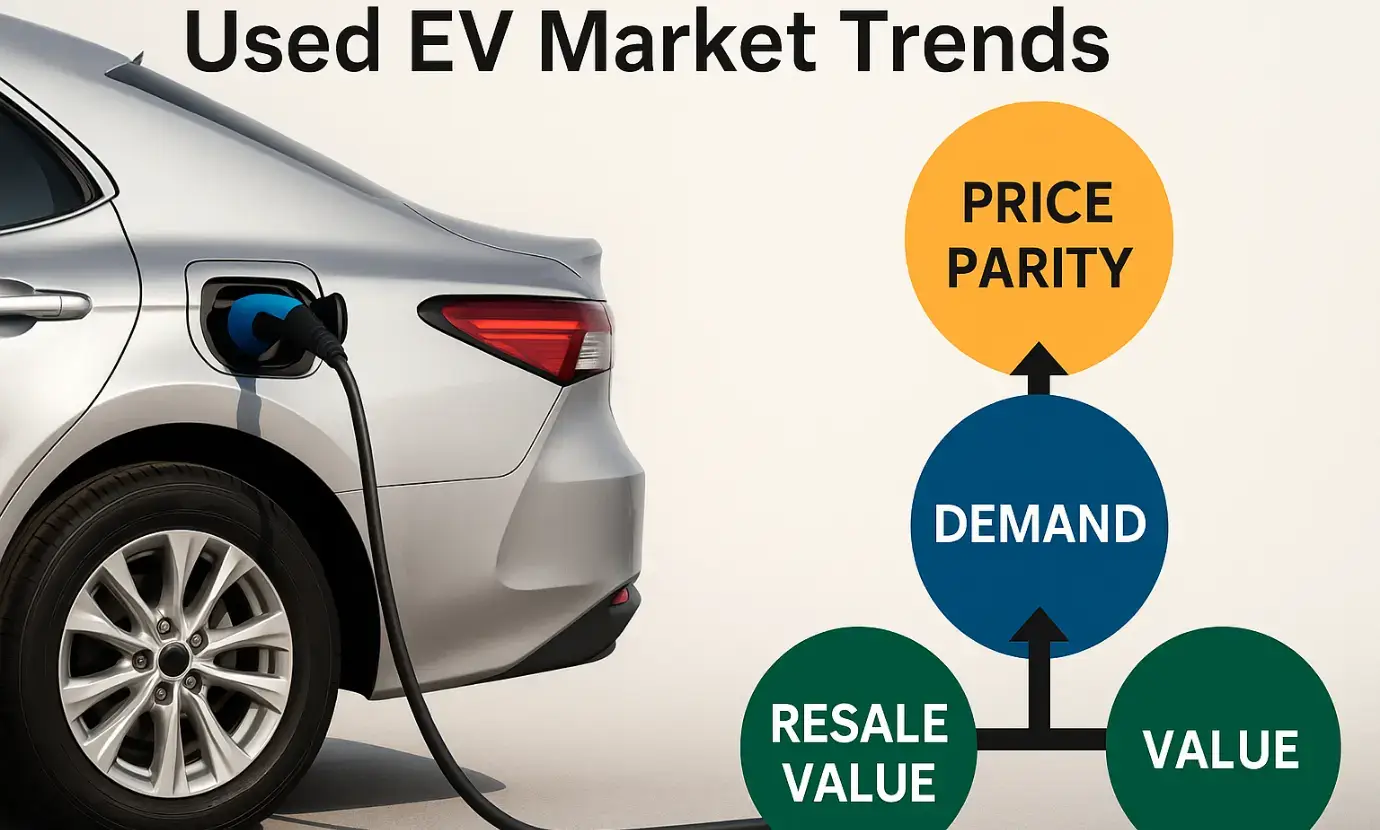
- Resale value: EVs are holding better value in markets like Germany and the UK, where demand is strong.
Future Trends In Electric Cars
- Autonomous EVs: Integration of AI and self-driving technology.
- Wireless Charging: Induction charging pads for homes and highways.
- Smart Grids: EVs acting as mobile energy storage for homes.
- Solid-State Batteries: Commercialization expected around 2027–2030.
- Tesla Alternatives: Rivian, Lucid, BYD, Volkswagen, BMW, and Mercedes are challenging Tesla in global markets.
Best Electric Cars 2025 (USA, UK, Germany)
- USA: Tesla Model Y, Rivian R1S, Ford F-150 Lightning.
- UK: Kia EV6, Hyundai Ioniq 6, Nissan Ariya.
- Germany: Volkswagen ID.7, BMW i4, Mercedes EQE.
EV Charging Stations & Their Locations
🇺🇸 United States
The US has over 80,000 public EV charging station locations offering more than 250,000 charging ports as of 2026, according to the U.S. Department of Energy’s Alternative Fuels Data Center.
| Station / Network | Address / Location | Notes |
|---|---|---|
| Electrify America Santa Monica, California | 1802 Santa Monica Boulevard, Santa Monica, CA | Hyper-fast chargers (20 chargers), 350 kW, 24/7 access |
| Electrify America Network | Multiple locations across most US states (AL, AZ, CA, and more) | Full station directory and addresses available on Electrify America’s official website |
🇬🇧 United Kingdom
The UK has over 119,000 public EV chargers as of April 2026, according to official UK Government statistics, including more than 27,000 rapid or ultra-rapid chargers.
| Station / Network | Address / Location | Notes |
|---|---|---|
| Tesla Supercharger – Gretna Green | A74(M) Junction 21/22, Gretna Green, DG16 5HQ | One of the UK’s motorway Tesla Supercharger locations |
| Tesla Supercharger – Membury (Westbound) | M4 Junction 14/15, Hungerford, RG17 7TZ | Part of the UK Tesla Supercharger network |
| Tesla Supercharger – Knowsley Earlsfield | 63 Knowsley Lane, Liverpool, L36 8HL | One of several Supercharger locations listed on Tesla’s official site |
| Hopwood Park Services – Worcestershire | M42/A441 Junction 2, Worcestershire | EV charging provided by Gridserve (2 chargers) and Tesla (16 chargers) at this motorway service area |
🇩🇪 Germany
Germany leads Europe with over 200,000 public charging points as of April 2026, according to the Bundesnetzagentur (Germany’s federal network regulator), including more than 51,000 DC fast chargers.
| Station / Network | Region / City | Notes |
|---|---|---|
| Germany Public Charging Network | Nationwide Berlin, Stuttgart, Düsseldorf, Bavaria, North Rhine-Westphalia | Over 200,000 publicly accessible charging points nationwide, including more than 51,000 DC fast chargers |
| Electropass Network | Nationwide (via Electropass app) | Provides street-level addresses of individual charging stations across Germany |
FAQs
How long do electric car batteries last?
Electric car batteries typically last 8 to 15 years, or around 100,000 to 200,000 miles, before their capacity noticeably declines. Battery life depends on usage patterns, climate conditions, and charging habits frequent fast-charging and extreme heat can shorten lifespan, while moderate charging habits extend it.
How much does it cost to charge an electric car?
Home charging costs approximately $0.10-$0.20 per kWh in the USA, £0.25-£0.35 per kWh in the UK, and €0.30-€0.45 per kWh in Germany. Public fast charging is typically more expensive than home charging, often costing 20-50% more depending on the network and charging speed.
Are electric cars better for the environment than petrol or diesel cars?
Yes. Even accounting for battery production emissions, electric vehicles produce approximately 30-50% fewer lifetime greenhouse gas emissions compared to equivalent petrol or diesel cars. This advantage grows further when EVs are charged using renewable energy sources.
What EV incentives are available in 2026?
USA: The federal $7,500 tax credit ended for vehicles purchased after September 30, 2025. Some state, utility, and dealer incentives may still apply depending on location. UK: Electric company cars carry a Benefit-in-Kind tax rate of just 4% for 2026/27, making them significantly cheaper than petrol or diesel company cars. Germany: The federal Umweltbonus purchase subsidy ended in December 2023 and is no longer available; current policy instead focuses on expanding public charging infrastructure.
What is the future of electric vehicle batteries?
The EV industry is moving toward solid-state batteries, which promise faster charging times, longer driving range, and improved safety compared to today’s lithium-ion batteries. Commercial availability of solid-state batteries is generally expected between 2027 and 2030.
Conclusion
Why Now Is the Best Time to Go Electric?
Electric cars are no longer niche they are the future of personal and commercial mobility. With falling prices, rapidly expanding charging infrastructure, and strong ongoing demand, EV adoption continues to accelerate across the USA, UK, and Germany even as purchase incentive programs evolve. Whether you’re motivated by cost savings, environmental responsibility, or cutting-edge technology, the fundamentals for going electric remain strong in 2026.
Take action today: Explore the best electric cars in your country, compare charging solutions, and check current local or state-level incentives that may still apply. The road ahead is electric.