What Is a Car Maintenance Checklist?
A car maintenance checklist is a structured list of routine vehicle checks and service tasks that helps an owner keep track of fluids, tires, brakes, lights, filters, the battery and other important components. The right schedule combines your vehicle manufacturer’s recommendations with mileage, the car’s age and how it’s actually driven.
Two ideas sit behind most of what’s below. Routine maintenance keeps parts doing what they’re supposed to do oil changes, tire rotations, filter swaps. Preventive maintenance catches problems before they turn into breakdowns noticing thin brake pads or a slow coolant leak while they’re still cheap to fix.
Following a schedule matters mainly because most expensive repairs start out as small, inexpensive ones that got ignored for too long.
Complete Car Maintenance Checklist
Here’s what to check across the car, grouped by system.
Engine and fluids
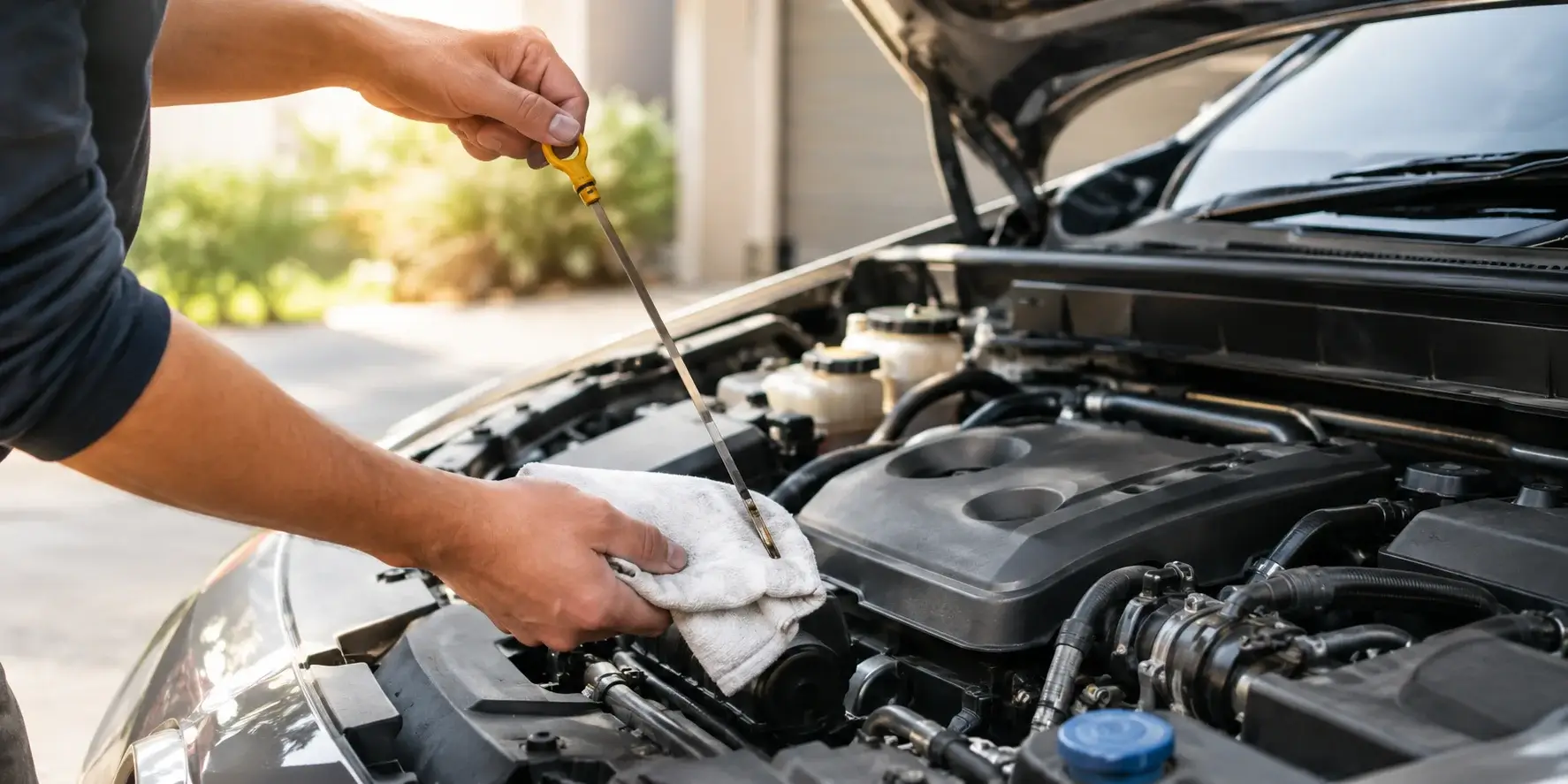
- Engine oil check the level regularly and change it at the interval your manufacturer specifies rather than a generic number you’ve seen online.
- Oil filter replaced at the same time as the oil.
- Coolant check the level when the engine is cold and watch for leaks underneath the car.
- Brake fluid check the level it should be replaced periodically even when it looks fine since it absorbs moisture over time.
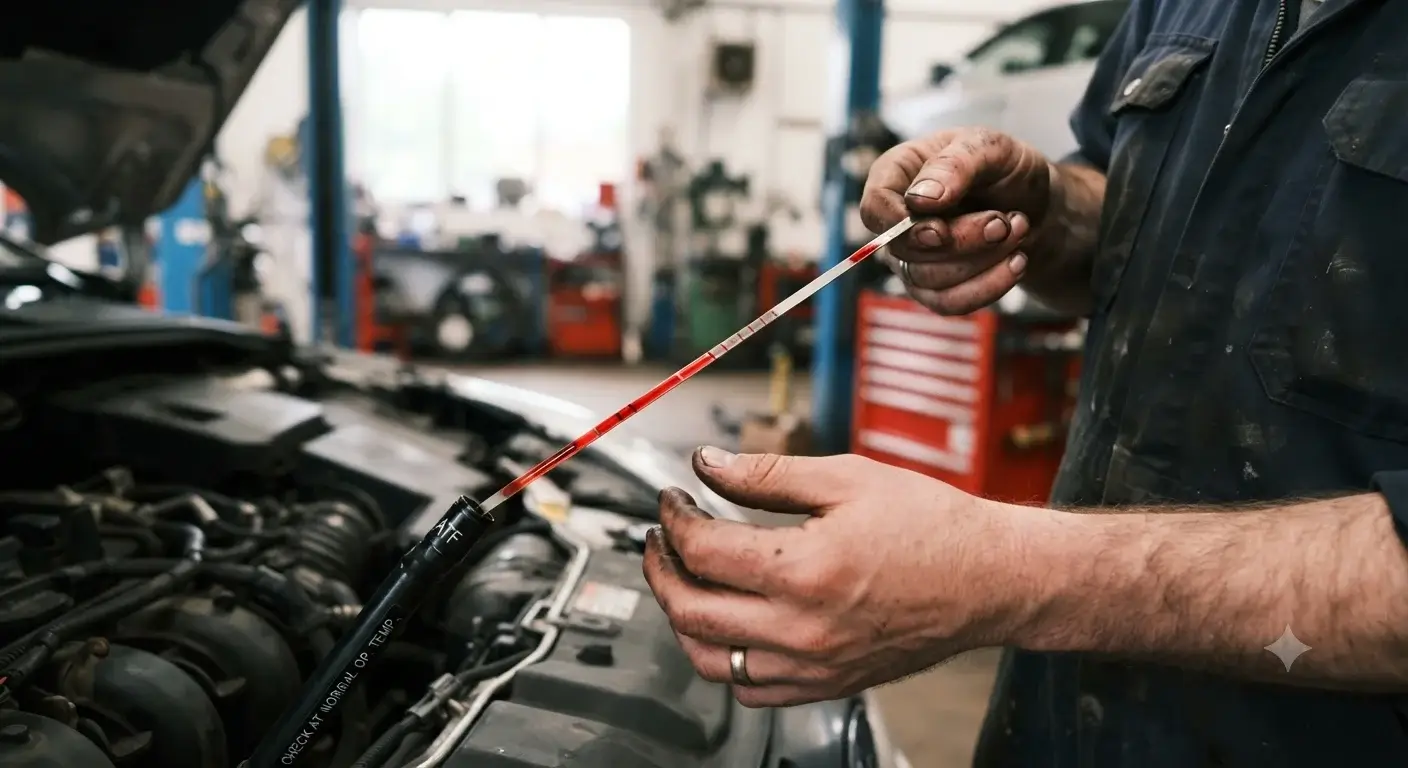
- Transmission fluid applies to most automatics and manuals; check color and level if your car has a dipstick for it.
- Power steering fluid relevant on cars with hydraulic steering; many newer cars use electric steering and don’t have this fluid at all.
- Windshield washer fluid cheap and easy to top off yourself.
- General leak check a spot on the driveway under the engine is worth investigating.
Stick to the fluid types and intervals in your owner’s manual. The wrong oil grade or coolant type can cause damage that your warranty won’t cover.
Tires and wheels

- Tire pressure check monthly and before long drives using the figure on the driver’s door jamb sticker or in the owner’s manual not the number molded into the tire itself which is a maximum rather than a recommendation.
- Tread depth worn tread cuts into grip especially in wet conditions.
- Uneven wear often points to an alignment or suspension issue.
- Cracks, bulges or embedded objects any of these are reasons to get the tire inspected.
- Spare tire or inflator kit worth confirming it’s usable before you actually need it.
- Tire rotation swapping tire positions for even wear on your manufacturer’s interval.
- Wheel alignment worth checking if the car pulls to one side, or after hitting a pothole hard
- Wheel balancing addresses vibration at speed usually done when new tires go on
Brakes
- Brake pads wear down gradually sometimes visible through the wheel spokes.
- Brake discs/rotors or drums checked for scoring, warping or excessive wear.
- Brake fluid replaced on a schedule since old fluid affects performance.
- Warning signs squealing grinding a soft or spongy pedal pulling under braking or longer stopping distances.
- Brake warning light never worth ignoring.
Brakes have real safety consequences. Leave diagnosis and repair here to a qualified mechanic once something feels off.
Battery and Electrical System
- Battery condition most batteries last three to five years age plus a slow crank on startup are early signs.
- Terminals check for white or greenish corrosion which can cause starting trouble.
- Headlights, taillights, brake lights, indicators, hazards quick to check by walking around the car with them on.
- Interior lights and dashboard warning lights note anything lit that shouldn’t be.
Engine and mechanical components
- Belts check for cracking, fraying or a glazed look.
- Hoses check for softness, bulging or leaks.
- Engine air filter a dirty one can affect fuel economy and performance.
- Cabin air filter affects air quality and heating/AC airflow inside the car.
- Spark plugs gasoline engines only interval varies widely from around 30,000 miles for standard plugs to well past 60,000 for iridium.
- Engine mounts worth a look if you notice new vibration.
- Exhaust system check for rust hanging sections or unusual noise.
Not every car has all of these in the same form. Hybrids and EVs for instance skip spark plugs and a conventional exhaust entirely.
Visibility and Safety Equipment
- Windshield/windscreen check for chips or cracks that could spread.
- Wiper blades replace once they streak, skip or squeak.
- Washer fluid keep it topped up especially before winter.
- Mirrors check for cracks or loose mounting.
- Headlights and fog lights check for cloudy lenses that dim output.
- Horn quick to test.
- Seat belts check for fraying and that the buckle clicks properly.
- Child restraints confirm they’re still correctly fitted and within their expiry date if applicable.
Car Maintenance Checklist By Frequency
Weekly car maintenance checklist
Not everyone needs a weekly routine it matters more if you drive a lot or your car is older.
- Look over tires for obvious damage or a soft-looking tyre.
- Scan for fresh fluid spots under the car.
- Walk around and check exterior lights.
- Check the windshield for new chips.
- Top off washer fluid if it’s low.
- Glance at the dashboard for warning lights on startup.
Monthly Car Maintenance Checklist
- Tire pressure, including the spare checked cold.
- Oil level.
- Coolant, brake fluid and power steering fluid levels.
- All exterior lights.
- Wiper condition.
- Battery terminals for corrosion.
- Tyre tread for uneven wear.
- Any visible leaks.
- Dashboard warning lights.
Every 3 Months (As Your Manufacturer Specifies)
- Oil level and condition more closely if you do a lot of short trips or stop-start driving.
- Tire rotation if that’s your interval.
- Engine and cabin filters checked for obvious dirt.
- Brake pad thickness if visible.
- Battery condition.
- Belts and hoses for early cracking.
- A general walk-around.
A car doing mostly short urban trips wears differently than one covering long motorway or highway miles, So this schedule isn’t identical for every driver.
6-Month Car Maintenance Checklist
- Tires pressure, tread, rotation if due.
- Brakes pad thickness, disc condition, fluid.
- Fluids all levels and general condition.
- Battery a full test not just a look.
- Wipers replace if worn.
- Filters engine and cabin.
- Suspension and steering listen for new noises check for play.
- Lights all exterior and interior.
Older cars or ones used for towing or high mileage, often benefit from checking these more often than this.
Annual Car Maintenance Checklist
- Your manufacturer’s scheduled service whatever that covers for your specific model and mileage.
- Oil and filter change if due.
- Full brake inspection.
- Full tire inspection including alignment if there’s any sign of uneven wear.
- Battery health test.
- All filters.
- Suspension and steering components.
- Belts and hoses.
- Air conditioning performance.
- All safety equipment lights, wipers, seat belts, horn.
- Emissions-related components, where applicable to your vehicle and location.
Car Maintenance Checklist By Mileage
Mileage-based maintenance varies a lot by manufacturer, engine type, transmission, model year and driving style a turbocharged engine driven hard doesn’t age the same way as a naturally aspirated one used for gentle commuting. Treat the ranges below as a general starting point not a replacement for your owner’s manual.
- Around 5,000 miles (8,000 km): A typical first oil change point for conventional oil and a reasonable time to check tire wear patterns.
- Around 10,000 miles (16,000 km): Common oil change interval for synthetic oil and a sensible point for a first tire rotation if it hasn’t happened yet.
- Around 20,000 miles (32,000 km): Worth checking brake pad wear, especially with mostly city driving and looking over belts and hoses for early wear.
- Around 30,000 miles (48,000 km): Often a bigger manufacturer service point air filter, cabin filter and sometimes brake or transmission fluid checks, depending on the model.
- Around 50,000 miles (80,000 km): Many brake pad sets need replacing by now though this varies a great deal with driving style. Coolant and transmission fluid are worth a closer look too.
- Around 60,000 miles (96,000 km): A typical interval for standard spark plug replacement (iridium plugs often go further) and a good point to have the suspension checked.
- 100,000 miles (160,000 km) and beyond: Timing belt replacement, if your engine has one, often falls in this range check your manufacturer’s exact interval since a snapped timing belt can cause serious damage on some engines. It’s also a sensible point for a full check of hoses, mounts and suspension bushings which age with time as well as mileage.
Your owner’s manual or manufacturer’s maintenance schedule always has the final word on your specific vehicle’s intervals.
Car Maintenance Checklist Before A Long Road Trip
Do this a few days before you leave not the morning of, in case something needs fixing.
- Tire pressure and tread, including the spare.
- Engine oil level and condition.
- Coolant level.
- Windshield washer fluid, topped up.
- Brakes get any noise or softness checked before you go.
- Battery, especially if it’s more than three years old.
- Headlights, brake lights and indicators.
- Wiper blades.
- Windshield/windscreen, for chips that could spread on a long drive.
- Emergency kit jumper cables, a flashlight, a first aid kit, a phone charger.
- Registration, insurance and roadside assistance details, kept somewhere easy to find.
Tire pressure, fluid levels, lights and wipers are all things you can check yourself in a few minutes. The correct tire pressure is the figure on the label inside the driver’s door frame or in the owner’s manual not the number molded into the tire itself which is a maximum rather than a recommendation.
Anything involving brakes, steering, or an unusual noise is worth a mechanic’s opinion before you leave not something to gamble on partway through a long drive.
Car Maintenance Checklist For Beginners
You don’t need mechanical experience to handle the basics.
Easy Checks a Beginner can do
- Tire pressure (A 10$ gauge and the number on the door jamb are all you need).
- Fluid levels oil dipstick, coolant reservoir, washer fluid.
- Lights walk around the car with them on.
- Wiper condition.
- Visible leaks.
- General tire condition.
Better Left to a Professional
- Brake repairs.
- Suspension work.
- Transmission repairs.
- Complex electrical diagnosis.
- Air conditioning refrigerant service.
- Timing belt replacement.
- Major engine work.
If you’re not sure whether something’s safe to drive on ask. A quick question to a mechanic is a lot cheaper than guessing wrong.
Car Maintenance Checklist For Older Cars
As a car ages some things need more attention regardless of how carefully it’s been driven. Rubber and plastic parts hoses belts seals degrade with time as well as mileage, So a 12-year-old car with low mileage can still need some of these replaced.
- Fluid leaks, which become more common as seals age.
- Hose and belt condition.
- Battery performance, especially in cold weather.
- Suspension components bushings and mounts wear out over years.
- Brake system condition.
- Tire age tyres over six years old are worth checking even if the tread looks fine, since the rubber itself degrades.
- Cooling system performance.
- Rust or corrosion, particularly in regions that salt roads in winter.
- Electrical connections, which can corrode over time.
A specific age doesn’t automatically mean a specific repair is due a well-maintained 15-year-old car can be in better shape than a neglected five-year-old one. Age is just one more factor to weigh alongside mileage.
Seasonal Car Maintenance Checklist
- Spring: Check tires for winter pothole damage replace worn wiper blades check all fluid levels have brakes checked if anything felt off over winter inspect the windshield for chips and test the air conditioning before you need it.
- Summer: Check the cooling system and coolant condition, since heat is when overheating problems tend to show up. Test the battery heat is harder on batteries long-term than cold is. Check tire pressure more often, since hot weather raises it and cool mornings lower it. Confirm the air conditioning is working properly.
- Autumn/fall: Check all lights as daylight hours shorten, check wipers before rain and fallen leaves make visibility worse, check tires ahead of colder and wetter roads have brakes checked before winter driving arrives and check the battery since a weak one tends to fail once the cold sets in.
- Winter: Battery health matters most now, since cold weather is what exposes a weak one. Use tires appropriate for local conditions some regions expect winter or all-season tyres others require chains in certain conditions.
Check the coolant mix is rated for the coldest temperatures you’ll see, switch to a winter-rated washer fluid that won’t freeze check lights more often since you’ll rely on them more and check wipers for winter wear.
Winter conditions vary a lot by region, So follow local guidance and your manufacturer’s advice on tyres and fluids rather than one nationwide rule.
Signs Your Car Needs Maintenance
Several of these can share the same underlying cause, So treat this as a prompt to investigate rather than a diagnosis.
- Dashboard warning lights.
- Unusual engine noises knocking ticking grinding.
- Vibration, especially at certain speeds.
- Difficulty starting.
- Reduced braking performance.
- Steering that feels different than usual.
- Pulling to one side.
- Uneven tire wear.
- Fluid leaks or spots under the car.
- Overheating.
- Unusual exhaust smoke or smell.
- A noticeable drop in performance or fuel economy.
- New or unusual smells inside the car.
Car Maintenance Tasks You Should Not Ignore
Some problems get more expensive the longer they sit.
- Brake problems noise, softness or reduced stopping power.
- Tire damage cracks, bulges or exposed cord.
- Overheating even a few minutes of driving hot can cause lasting engine damage.
- Dashboard warning lights especially oil pressure or temperature.
- Fluid leaks, which usually point to something that worsens over time.
- Trouble starting, or a battery that’s getting weaker.
- Steering that feels loose or vibrates.
- Suspension noises over bumps.
Most of these are affordable to fix early and expensive to ignore. That’s really the whole point of keeping a checklist in the first place.
How to Keep Track of Car Maintenance?
- Owner’s manual has your car’s actual schedule which beats any generic list.
- A maintenance log a notebook or spreadsheet with dates, mileage and what was done.
- Phone reminders set for both time-based and mileage-based tasks.
- Service receipts keep them together they matter for warranty claims and resale.
- Manufacturer apps several brands now track service history and send reminders automatically.
Keeping records means you or a future buyer can see exactly what’s been done rather than guessing.
Car Maintenance Checklist Table
| Maintenance item | How often to check | When service may be needed | DIY or professional |
|---|---|---|---|
| Engine oil | Monthly (level) per manufacturer’s schedule (change) | Low or discolored, or at the scheduled interval | DIY check; either for a change |
| Tire pressure | Monthly and before long trips | Below the recommended figure | DIY |
| Tire tread | Monthly | Worn close to the legal or safe minimum | DIY check; professional for replacement |
| Brake pads | Every 6 months | Squealing, grinding or thin on inspection | Professional |
| Brake fluid | Every 6–12 months | Per manufacturer’s schedule, often every 2 years | Professional |
| Coolant | Monthly (level) per schedule (replace) | Low or discolored | DIY check; professional for replacement |
| Battery | Every 6 months | Slow starting or battery is 3+ years old | DIY check; professional for testing/replacement |
| Wiper blades | Every 6 months | Streaking or skipping | DIY |
| Engine air filter | Annually or per schedule | Visibly dirty | DIY or professional |
| Cabin air filter | Annually or per schedule | Weak airflow or musty smell | DIY or professional |
| Spark plugs | Per manufacturer’s schedule | Varies widely by plug type | Professional |
| Belts and hoses | Every 6 months | Cracked, glazed or soft | Professional |
| Wheel alignment | As needed | Car pulls to one side, or after a hard pothole hit | Professional |
| Exhaust system | Annually | Rusted, hanging or unusually loud | Professional |
| Timing belt (if fitted) | Per manufacturer’s schedule | Usually 60,000–100,000+ miles | Professional |
US vs UK Car Maintenance Considerations
Miles are the standard distance unit in both countries, so mileage-based advice translates directly between them.
In the US, there’s no single national maintenance schedule the manufacturer’s recommendations are the baseline everywhere, but vehicle safety and emissions inspection requirements are set by each state individually rather than at the federal level.
Some states run regular safety or emissions inspections; others don’t require any at all. It’s worth checking your own state’s DMV or transportation agency for what’s actually required where you live.
In the UK, most vehicles must pass an MOT test by the third anniversary of their registration and then annually after that and the scheme is regulated by the Driver and Vehicle Standards Agency (DVSA) covering safety items like brakes, lights, tyres, steering and exhaust emissions.
One thing worth knowing an MOT isn’t the same as a service and passing one doesn’t mean routine maintenance can be skipped it checks a defined list of safety and emissions items at a single point in time not the general condition of the engine or how well the car’s been looked after.
Common Car Maintenance Mistakes
- Ignoring warning lights, hoping they’ll turn off on their own
- Delaying an oil or filter change well past the recommended point
- Using the wrong fluid because it was cheaper or already in the garage
- Ignoring tire pressure until it’s visibly low
- Dismissing brake noise as probably nothing
- Skipping the manufacturer’s schedule for a generic one found online
- Replacing parts that don’t actually need replacing yet
- Relying only on mileage and ignoring time-based intervals some fluids and rubber parts degrade with age even on a car that barely gets driven
- Forgetting seasonal checks, like appropriate tires or a pre-winter battery check
- Not keeping service records, which makes warranty claims and resale harder
Frequently Asked Questions
What is a basic car maintenance checklist?
A basic checklist covers what’s most likely to cause a breakdown or safety issue if ignored: engine oil, coolant, tire pressure and tread, brakes, battery and lights. Checking these regularly, monthly for most items, catches small problems while they’re still cheap to fix.
What maintenance should I do on my car regularly?
Check tire pressure and fluid levels monthly, watch for dashboard warning lights every drive and follow your manufacturer’s schedule for oil changes, filters and brake inspections. Exact intervals depend on your specific vehicle, so the owner’s manual is the final word.
How often should a car be serviced?
This depends on the manufacturer’s recommendation for your model, usually based on a mix of mileage and time commonly around once a year or every 10,000–12,000 miles, though it varies. Check your owner’s manual or manufacturer app for the exact figure.
What should I check on my car every month?
Tire pressure, including the spare, oil level, coolant and washer fluid, all exterior lights, wiper condition and a look underneath for fresh leaks. It takes about ten minutes and catches most of what turns into a bigger repair later.
What car maintenance should be done by mileage?
Oil and filter changes, tire rotations, spark plug replacement and timing belt replacement where fitted are typically scheduled by mileage, though the exact figures vary by manufacturer, engine type and driving conditions. Always check your vehicle’s specific schedule rather than a generic number.
What should I check before a long road trip?
Tire pressure and tread, oil and coolant levels, brakes, battery condition, all lights and wiper blades plus packing an emergency kit with a phone charger, jumper cables and a flashlight. Do this a few days before leaving so there’s time to fix anything that needs it.
What car maintenance can I do myself?
Checking and topping off fluids, checking tyre pressure and tread, replacing wiper blades and checking lights are all manageable without mechanical experience. Brake work, suspension repairs and anything involving the transmission or major engine components are better left to a professional.
How do I know when my car needs maintenance?
Watch for dashboard warning lights, unusual noises or vibration, changes in braking or steering, fluid leaks and a drop in performance or fuel economy. Any of these are worth investigating, since several possible causes can look similar from the driver’s seat.
Is an annual car service necessary?
Most manufacturers recommend at least an annual service, even for cars that don’t rack up much mileage, since some parts wear with time rather than distance. Skipping it can also affect warranty coverage and resale value.
Does car maintenance depend on mileage or time?
Both. Some tasks, like oil changes and tire rotations, are largely mileage-driven, while others, like brake fluid and coolant replacement, are recommended on a time basis because they degrade whether or not the car is driven much. A full manufacturer schedule accounts for both.
What is included in routine car maintenance?
Oil and filter changes, fluid checks, tire rotations and pressure checks, brake inspections, battery checks, filter replacements and a general check of lights and wipers. The specific list and intervals come from your vehicle manufacturer’s maintenance schedule.
What is the difference between car maintenance and car servicing?
Maintenance is the ongoing set of checks and small tasks an owner or mechanic does between services checking tire pressure, topping off fluids, watching for warning signs. A service is a scheduled, more thorough garage visit that typically includes an oil change and a fuller inspection, following the manufacturer’s set intervals.