Your car’s transmission is one of the hardest-working parts of the whole vehicle, yet most drivers only think about it when something goes wrong. This guide explains everything a UK driver needs to know about transmissions in plain English.
Quick answer: A transmission is the part of your car that transfers power from the engine to the wheels, using different gears to control speed and power. Without it, your car couldn’t move efficiently or at all.
1. What Is A Transmission?
Direct answer: A transmission is a gearbox system that transfers engine power to the wheels, adjusting gear ratios so the engine runs efficiently at different speeds.
Think of it like the gears on a bicycle. Low gears give you more power for climbing hills; high gears let you cruise faster with less effort. A car’s transmission does the same job automatically or manually, matching engine output to road speed.
Every petrol, diesel, hybrid and electric vehicle needs some form of transmission (although electric vehicles usually use a much simpler single-speed unit).
Key Definition Snippet
Transmission (noun): The mechanical system in a vehicle that transfers power from the engine to the drive wheels through a series of gears, allowing the car to move at different speeds and loads efficiently.
2. How Does A Transmission Work?

Direct answer: A transmission works by using gears of different sizes to change the ratio between engine speed (RPM) and wheel speed, which is controlled either manually by the driver or automatically by a computer.
Here’s a simplified step-by-step of what happens:
- The engine produces rotational power from burning fuel (or from an electric motor).
- The clutch or torque converter connects (or disconnects) that power from the transmission.
- Gears inside the transmission change the ratio of engine turns to wheel turns.
- The driveshaft or axle sends the adjusted power to the wheels.
- The car moves, with lower gears for acceleration and higher gears for efficient cruising.
In a manual transmission, the driver selects gears using a clutch pedal and gear stick. In an automatic transmission, a computer and hydraulic system choose the right gear based on speed, throttle position and load.
3. Types Of Transmission

Direct answer: The main transmission types used in the UK are manual, automatic, semi-automatic, CVT (continuously variable transmission), and dual-clutch (DCT).
| Type | How It Works | Common In | Pros | Cons |
|---|---|---|---|---|
| Manual | Driver changes gears with clutch and stick | Smaller/older UK cars | Cheaper, more control, better fuel economy on older engines | More driver effort, harder in traffic |
| Automatic (torque converter) | Computer shifts gears automatically | Larger saloons, SUVs | Smooth, easy to drive | Historically less fuel-efficient, costlier repairs |
| CVT | Uses a belt/pulley system instead of fixed gears | Hybrids (e.g. Toyota) | Very smooth, efficient | Can feel unusual to drive, “rubber band” sensation |
| Dual-Clutch (DCT) | Two clutches pre-select gears for fast shifts | Performance and modern cars (VW DSG) | Fast, efficient shifts | Expensive to repair, clutch wear at low speed |
| Semi-automatic | Manual gearbox with automated clutch | Some older automatics | Combines manual efficiency with auto ease | Less common, jerky at times |
Related terms: gearbox, drivetrain, torque converter, clutch plate, gear ratio, driveshaft, differential.
4. Benefits Of A Well-Maintained Transmission
A healthy transmission gives you:
- Smoother acceleration and gear changes
- Better fuel economy, since the engine runs at optimal RPM
- Longer vehicle lifespan overall
- Lower repair costs long-term
- Safer driving, with no unexpected loss of power
5. Common Transmission Problems
Direct answer: The most common transmission problems include low or degraded fluid, worn clutch components, faulty solenoids, damaged gears, and failing torque converters.
- Low transmission fluid usually from a leak
- Burnt or contaminated fluid reduces lubrication and cooling
- Worn clutch plates (manual) or clutch packs (automatic)
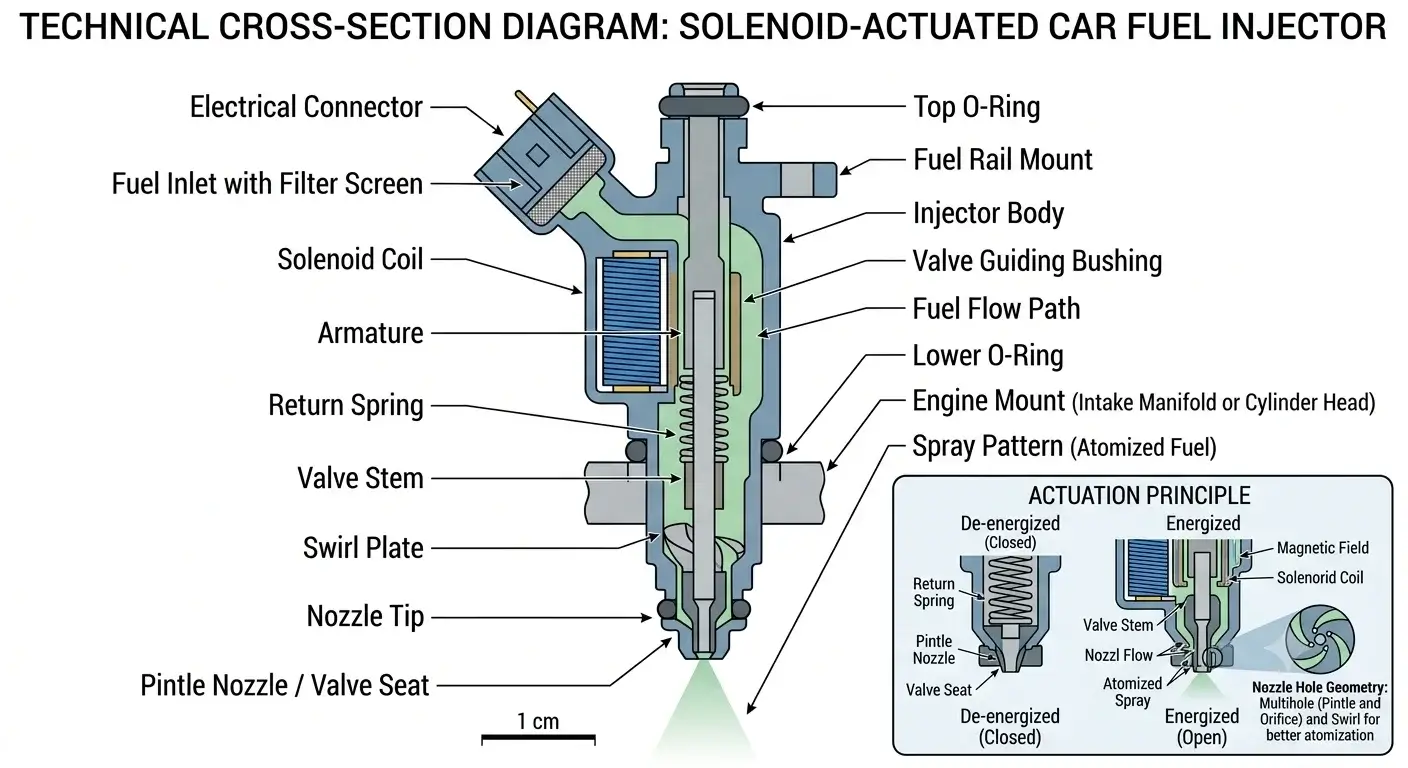
- Faulty solenoids these control fluid flow to shift gears
- Slipping gears
- Torque converter failure
- Software/sensor faults in modern computer-controlled gearboxes
6. Signs And Symptoms Of Transmission Trouble

Direct answer: Warning signs include slipping gears, delayed engagement, unusual noises, burning smells, fluid leaks, and warning lights on the dashboard.
Watch out for:
- Grinding or whining noises when changing gear
- Delayed response when shifting from park to drive
- Slipping engine revs rise but the car doesn’t accelerate accordingly
- Burning smell often linked to overheating fluid
- Fluid leaks reddish or brownish patches under the car
- Dashboard warning light for the transmission or “check engine“
- Jerking or shuddering during gear changes
- Gears refusing to engage at all
If you notice two or more of these, get the car checked by a garage promptly small problems become expensive ones quickly.
7. What Causes Transmission Failure?
Direct answer: Transmission failure is usually caused by lack of maintenance, fluid leaks, overheating, driving with worn clutch components, or towing beyond the vehicle’s rated capacity.
Common causes include:
- Skipping fluid changes for years
- Driving with a slipping clutch for too long
- Overheating, especially from towing or stop-start traffic
- Water or debris contamination in the fluid
- General wear and age most transmissions last 100,000–200,000 miles with care
- Manufacturing faults (rare, but some DSG/DCT models have had recalls)
8. Transmission Repair Options

| Option | What It Involves | Best For |
|---|---|---|
| Fluid flush/change | Replacing old fluid with fresh | Early-stage issues, routine maintenance |
| Solenoid replacement | Fixing the electronic shift components | Erratic shifting |
| Clutch replacement | New clutch plate/pack | Slipping, manual gearboxes |
| Reconditioned/remanufactured transmission | A rebuilt unit installed | Cost-effective vs full replacement |
| Full transmission replacement | Brand new unit fitted | Severe failure |
Expert tip: A reconditioned transmission is often 30–50% cheaper than a brand-new unit and, from a reputable UK supplier, comes with a warranty.
9. Transmission Repair Costs In The UK

Direct answer: UK transmission repair costs typically range from around £150 for a fluid change to £3,000+ for a full replacement, depending on the vehicle and fault.
| Repair Type | Estimated UK Cost (2026) |
|---|---|
| Fluid change/flush | £120 – £250 |
| Clutch replacement (manual) | £500 – £900 |
| Solenoid/sensor repair | £200 – £600 |
| Reconditioned transmission (fitted) | £1,200 – £2,200 |
| New/full replacement transmission | £2,000 – £4,500+ |
| Diagnostic check | £50 – £120 |
Costs vary by make, model, and garage. Prices are typically higher for premium German brands (BMW, Audi, Mercedes) and automatic/DCT gearboxes compared with manual boxes on smaller cars.
Always get at least two or three quotes, and check whether the garage is a member of a recognised trade body.
10. Maintenance Tips

Keep your transmission healthy with these habits.
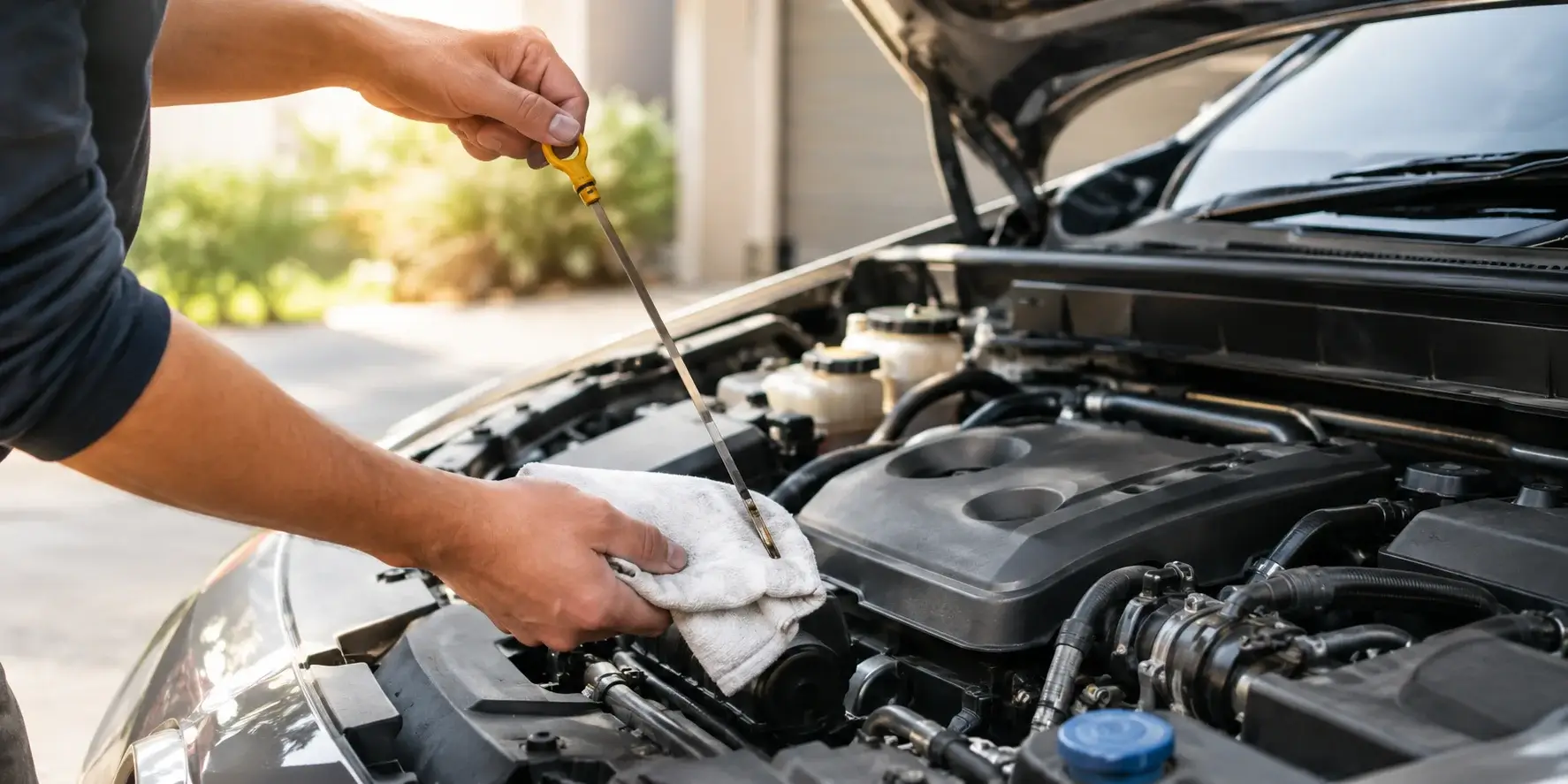
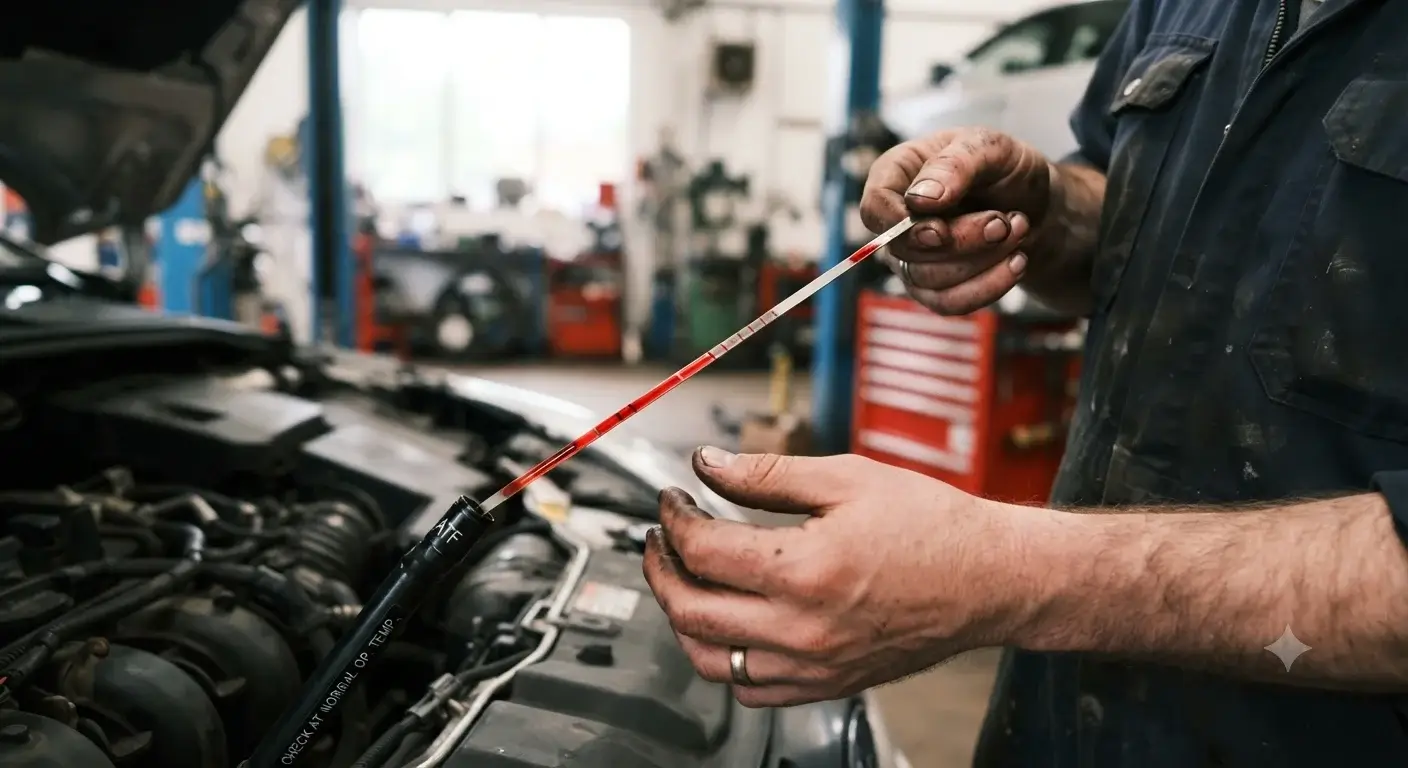
- Check transmission fluid level and colour regularly (bright red/pink = healthy; dark brown/black = needs changing)
- Follow the manufacturer’s service schedule typically every 40,000–60,000 miles for automatics, though some are “sealed for life” (still worth checking)
- Avoid harsh gear changes, especially from cold
- Let the car warm up briefly before demanding full power
- Don’t ride the clutch in manual cars
- Have fluid leaks fixed immediately
- Avoid overloading or towing beyond capacity
Suggested Maintenance Schedule
| Mileage | Action |
|---|---|
| Every service | Visual fluid check |
| 40,000–60,000 miles | Fluid change (automatic) |
| 60,000–80,000 miles | Clutch inspection (manual) |
| 100,000+ miles | Full transmission health check |
11. Buying Guide: Choosing A Car By Transmission Type
If you’re buying a car and weighing up transmission types, consider.
- City driving/traffic: Automatic or CVT reduces fatigue
- Motorway driving: Manual or DCT can offer better control and economy
- Towing: Automatics with dedicated tow modes are often more robust
- Budget repairs: Manual gearboxes are generally cheaper to fix
- Used car buying: Ask for full service history, specifically transmission fluid changes
12. Mistakes To Avoid
- Ignoring warning signs until the car won’t move
- Assuming “sealed for life” fluid never needs checking
- Continuing to drive with a slipping clutch
- Choosing the cheapest repair quote without checking warranty or parts quality
- Towing heavy loads without checking your vehicle’s rated capacity
13. Expert Tips
- A sudden burning smell is one of the most urgent warning signs stop driving and get it checked the same day if possible.
- Reconditioned units from reputable UK suppliers are a sensible middle ground between repair and full replacement.
- Always ask a garage to show you the old fluid colour and condition before and after a flush it’s a simple trust-building step.
14. Myths Vs Facts
| Myth | Fact |
|---|---|
| “Automatic gearboxes never need fluid changes” | Most still benefit from periodic changes, even “lifetime” fluid |
| “A noisy gearbox always means replacement” | Often it’s a simpler fix like low fluid or a solenoid |
| “Manual gearboxes never fail” | They can fail too clutches and synchros wear over time |
| “All transmission repairs cost thousands” | Many issues (fluid, sensors) cost a few hundred pounds |
15. Checklist: Is Your Transmission Healthy?
- Gears change smoothly without hesitation
- No grinding, whining, or clunking noises
- No burning smell from the engine bay
- Fluid is red/pink, not brown or black
- No fluid patches under the car
- No warning lights on the dashboard
- Car doesn’t shudder or jerk when changing gear
If you ticked all boxes, your transmission is likely in good shape. If not, book a diagnostic check.
16. Complete List of Transmission Types (Full Breakdown for Cluster Articles)
Direct answer: Beyond the main four types drivers encounter day-to-day, there are several other transmission types worth knowing each of these can become its own dedicated article linking back to this pillar page.
Here is the full list, with a one-line description for each
| Transmission Type | Short Description |
|---|---|
| Manual Transmission (MT) | Driver-operated gears via clutch pedal and gear stick; most common in smaller/older UK cars. |
| Automatic Transmission (Torque Converter) | Uses a torque converter and hydraulics to shift gears without driver input. |
| CVT (Continuously Variable Transmission) | Uses a belt-and-pulley system for stepless, seamless gear ratios instead of fixed gears. |
| Dual-Clutch Transmission (DCT/DSG) | Two clutches pre-select gears for very fast, smooth shifts; common in VW, Audi, performance cars. |
| Semi-Automatic / AMT (Automated Manual Transmission) | A manual gearbox with an automated clutch, no clutch pedal needed. |
| Tiptronic / Manumatic | An automatic gearbox with a manual-shift mode (paddle shifters or +/- gear lever). |
| Sequential Manual Gearbox (SMG) | Gears change in strict up/down order, common in motorsport and some sports cars. |
| Single-Speed Transmission (EV Direct Drive) | Used in most electric vehicles; no multiple gears needed due to electric motor characteristics. |
| e-CVT (Electric/Hybrid CVT) | Found in hybrids like Toyota’s Hybrid Synergy Drive; blends electric motor and engine power seamlessly. |
| Epicyclic (Planetary Gear) Transmission | The internal gear design used inside most torque-converter automatics. |
| Preselector Gearbox | An older, largely historic gearbox type once used in classic cars, pre-selected before engagement. |
| Hydrostatic Transmission | Uses hydraulic fluid rather than gears to transfer power; mainly found in agricultural and heavy machinery rather than cars. |
Conclusion
Your transmission is the quiet workhorse that makes every journey possible and understanding how it works puts you in a much stronger position, whether you’re maintaining your current car or buying your next one. Catching the early warning signs and sticking to a sensible maintenance schedule can save you thousands of pounds and a lot of stress down the line.
Call to Action: If you’ve noticed any of the warning signs in this guide, don’t wait book a transmission diagnostic check with a trusted local garage this week.
FAQs
What is a transmission in a car?
It’s the system that transfers engine power to the wheels using gears, allowing the car to move at different speeds efficiently.
How much does a transmission repair cost in the UK?
Costs range from around £120 for a fluid change to over £4,000 for a full replacement, depending on the vehicle and fault.
Is it worth replacing a transmission?
If the car is otherwise in good condition and the repair cost is reasonable relative to the car’s value, yes a reconditioned unit is often the best value option.
How long do transmissions last?
Most last 100,000–200,000 miles with proper maintenance.
What are signs of a failing transmission?
Slipping gears, delayed engagement, grinding noises, burning smells, fluid leaks, and warning lights.
Can I drive with a transmission problem?
Short distances at low speed may be possible, but it’s risky continuing to drive can cause total failure and put you at risk on the road.
How often should transmission fluid be changed?
Typically every 40,000–60,000 miles for automatics, though this varies by manufacturer.
What’s the difference between manual and automatic transmission?
Manual requires the driver to change gears using a clutch pedal; automatic does this itself using a computer and hydraulics.
Why is my automatic transmission slipping?
Usually due to low or degraded fluid, worn clutch packs, or a failing torque converter.
Is a CVT transmission reliable?
Modern CVTs from reputable manufacturers are generally reliable, though they require correct fluid and regular servicing.
Can low transmission fluid cause damage?
Yes it’s one of the leading causes of overheating and premature wear.
What does a transmission warning light mean?
It usually indicates a fault detected by the car’s computer, such as overheating, low fluid, or a sensor issue get it checked promptly.
Is a reconditioned transmission as good as new?
A quality reconditioned unit from a reputable supplier, fitted with a warranty, can perform just as reliably as new at a lower cost.
Do electric cars have transmissions?
Yes, but usually a much simpler single-speed unit, since electric motors don’t need multiple gears.
How can I make my transmission last longer?
Regular fluid checks, gentle driving, timely repairs, and following your manufacturer’s service schedule.